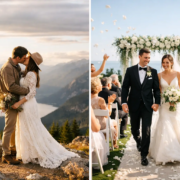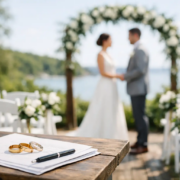
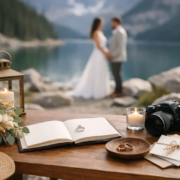
Elopement Ceremony Planning Guide That Feels Right

You picked elopement for a reason. Maybe you want less performance and more meaning. Maybe your timeline is tight, family dynamics are complicated, or a big wedding just never felt like you. Whatever brought you here, this elopement ceremony planning guide is about helping you create a wedding moment that feels calm, personal, and fully yours.

Eloping can look wonderfully simple from the outside, but the ceremony itself still deserves care. Even a short ceremony has structure, legal requirements, emotional weight, and choices that shape how the day feels. The good news is that planning an elopement ceremony is usually far more flexible than planning a large wedding. You get to keep what matters, skip what does not, and make room for the details that actually sound like your relationship.

What an elopement ceremony really needs

A meaningful elopement ceremony does not need a long guest list, a ballroom, or a dozen moving parts. It does need intention. At minimum, you need the legal pieces handled, a location that works, an officiant if your state requires one, and a basic sense of how you want the ceremony to flow.

That flow can be beautifully simple. Some couples want a five-minute legal signing with a few heartfelt words. Others want something more personal, with vows, a reading, a moment to honor family, or bilingual elements that reflect both partners and the people closest to them. Elopements are not less real because they are smaller. If anything, the ceremony often carries more emotional clarity because there is less noise around it.

Start your elopement ceremony planning guide with the feeling

Before you book anything, decide how you want the ceremony to feel. Not how it should look on social media. Not what someone else thinks an elopement ought to be. The real question is whether you want the moment to feel private, playful, deeply emotional, spiritual, relaxed, or somewhere in between.

That answer will shape almost every other decision. A cliffside ceremony at sunrise creates a very different experience than exchanging vows in a cozy rental with your parents and best friend present. Neither is better. One may simply fit you better.

This is also the stage where couples often realize they do want more personalization than they expected. They may not want a full traditional wedding, but they do want words that feel genuine, space for their story, and a ceremony that does not sound pulled from a generic template. That middle ground is where elopements shine.

Legal planning comes first, romance gets easier after that

The unglamorous part deserves your attention early. Marriage license rules, waiting periods, witness requirements, and officiant qualifications vary by state and sometimes by county. If you are eloping in Washington, check the current requirements well ahead of time so you are not trying to solve paperwork questions the week of your ceremony.

This is one of those places where simple does not always mean automatic. Some couples assume they can decide on Friday and be legally married on Saturday, only to find there is a waiting period. Others choose a remote location and then realize they still need witnesses or a plan for signing documents correctly.

Handle the legal side first, and the rest of the planning feels lighter. Once that foundation is secure, you can focus on the parts that actually make the day memorable.

Choose a location that supports the ceremony, not just the photos

Seattle and Western Washington offer incredible elopement settings, from waterfront views and forest overlooks to urban rooftops and quiet parks. It is easy to fall in love with a stunning location. It is smarter to ask whether that location works for the ceremony you want.

Think through privacy, accessibility, weather exposure, travel time, parking, permits, restrooms, and sound. A beautiful mountain spot may be perfect for two adventurous people in hiking boots. It may be much less ideal if you are including older parents, wearing formal clothes, or hoping to hear every word without wind stealing the moment.

There is always a trade-off. More scenic often means more logistics. More convenient may mean less privacy. The best location is not the most dramatic one. It is the one that lets you be present, comfortable, and emotionally available during the ceremony.

Your officiant matters more than many couples expect

For a small ceremony, the officiant plays an outsized role. There are fewer distractions, fewer transitions, and fewer people carrying the energy of the moment. That means the person leading your ceremony helps set the tone from the first sentence.

A good officiant does more than show up and read words. They help you decide what kind of ceremony fits, guide you through choices without overwhelming you, and create a structure that feels natural. They can also help with practical issues like timing, location concerns, family participation, and how formal or relaxed the language should be.

If you want a ceremony that feels personal, ask how customization works. If you want secular language, religious references, cultural traditions, Spanish, or a bilingual ceremony, ask directly. The right fit is not just about availability. It is about whether this person can help you feel supported and understood.

Build a ceremony that sounds like you

The heart of any elopement ceremony planning guide should be this: your ceremony can be short without feeling generic.

A personalized ceremony usually includes a welcome, a few words about marriage or your relationship, the legal declaration, vows, exchange of rings if you are using them, and the pronouncement. That core can stay concise while still feeling rich and honest.

From there, you can shape it. Some couples include private vows after a public legal ceremony. Some want a loved one to do a reading. Some want to acknowledge children, honor absent family members, or include cultural elements in a way that feels respectful rather than performative. If you are planning a bilingual ceremony, it helps to think carefully about pacing and balance so both languages feel integrated rather than tacked on.

This is also where you can let go of traditions that do not fit. You do not need unity rituals, religious wording, or audience participation if those things feel awkward to you. On the other hand, if one small tradition would make a parent feel seen or help connect your ceremony to your background, that may be worth including. Personal does not have to mean stripped down. It means chosen on purpose.

Write vows that are honest, not theatrical

Many couples worry about vows more than any other part of the ceremony. They want them to be meaningful, but not cheesy. Personal, but not rambling. Emotional, but not a public speaking nightmare.

A good vow does not need to sound poetic. It needs to sound true. Speak in your normal voice. Include one or two specific things you love about your partner, what marriage means to you, and the promises you genuinely intend to keep. If you are private people, short vows are completely fine. If you are expressive, longer vows can work well, especially in an intimate setting.

It also helps to decide whether you want to share your own vows during the ceremony or keep them private. Some couples love the emotion of speaking them face to face in front of a few guests. Others prefer a simpler public promise and then exchange personal letters afterward. There is no prize for choosing the more dramatic option.

Plan for guests, even if there are only a few

Eloping does not always mean just the two of you. Many couples invite a handful of loved ones, and that can be a lovely middle ground. It can also add emotional and logistical layers.

If guests are attending, be clear about the experience you are creating. Is this truly a tiny ceremony with a dinner afterward, or are you quietly drifting toward a small wedding with all the usual expectations? Neither approach is wrong, but confusion creates stress. Clear boundaries help everyone know what kind of day this is.

This matters even more when family expectations are involved. If one side hopes for tradition and the other wants things simple, your ceremony can often bridge that gap with thoughtful wording or one meaningful inclusion. You do not have to hand over the whole day to keep the peace.

Leave room for weather, nerves, and real life

The most useful elopement ceremony planning guide is the one that makes room for reality. Weather changes. Traffic happens. Someone cries more than expected. Someone forgets the rings and then remembers them five minutes later. None of that ruins the ceremony.

Build a little cushion into your timeline. If you are outdoors in Western Washington, have a rain plan that you actually like, not one you resent. Bring layers if needed. Choose shoes you can stand in. Think about where you will put your phone, bouquet, marriage license, and tissues. Small practical choices have a big effect on whether the day feels easy or frantic.

And if your wedding is coming together quickly, do not assume that means it has to feel rushed or impersonal. Last-minute elopements can still be deeply thoughtful with the right guidance and a ceremony designed around what matters most.

Forever, Together works with many couples who want exactly that balance – something simple, sincere, and customized without turning the planning process into a second full-time job.

The goal is not a perfect elopement

The goal is a ceremony where you can look at each other and feel the truth of what is happening. Married, on purpose, in a way that reflects who you are.

If you keep coming back to that standard, the decisions get easier. Choose the setting that helps you breathe. Choose the words that sound like your relationship. Choose support that lowers stress instead of adding to it. A well-planned elopement does not try to imitate a big wedding in miniature. It gives your commitment the right amount of space, care, and heart.
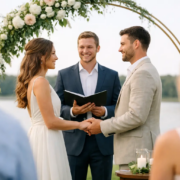
11 Nonreligious Wedding Ceremony Ideas

Some couples know right away that a traditional religious script does not fit. Others realize it later, somewhere between venue tours, family opinions, and the moment they hear ceremony wording that sounds nothing like them. If you are looking for nonreligious wedding ceremony ideas, the good news is this: a secular ceremony can still feel deeply meaningful, emotional, and memorable. It can be simple, warm, funny, elegant, or heartfelt without borrowing language that does not reflect your values.

The best nonreligious ceremonies are not defined by what they leave out. They are defined by what they include – your story, your people, your priorities, and the tone that feels right for the two of you. That gives you a lot of freedom, but it can also make planning feel a little open-ended. A clear starting point helps.

What makes nonreligious wedding ceremony ideas work

A strong secular ceremony usually has the same goal as any great ceremony: it brings everyone into the moment and makes your commitment feel real. The difference is in the framing. Instead of relying on religious structure, it draws meaning from personal vows, thoughtful readings, family participation, shared rituals, and an officiant who knows how to guide the flow.

This matters because not every couple wants the same kind of nonreligious ceremony. Some want something short and modern. Some want a traditional wedding feel, just without prayer or scripture. Some want to honor culture, family, or heritage in a way that still feels secular. And some want a ceremony that lasts ten minutes, includes the legal basics, and gets them to cocktail hour before anyone starts sweating through formalwear.

That is why the best ideas are the ones that match your relationship, not just your Pinterest board.

11 nonreligious wedding ceremony ideas to consider

1. Tell your story without making it a performance

One of the easiest ways to personalize a secular ceremony is to include a brief story about how you met, what you admire in each other, or what brought you to this day. This works especially well when it sounds natural rather than overly polished.

A good officiant can shape this so it feels warm and personal, not like a stand-up set or a long biography. The sweet spot is usually a few meaningful details that help guests feel connected to your relationship.

2. Write vows that sound like you actually talk

Personal vows are often the emotional center of a nonreligious ceremony. They do not need to be dramatic or poetic to be powerful. In fact, vows tend to land best when they sound honest.

You can keep them short and sincere, mix heartfelt promises with a little humor, or use a shared structure if one of you is nervous about writing. If fully personal vows feel like too much, a blended approach works well: custom opening lines followed by classic promises.

3. Choose readings that reflect your values

Secular readings can bring depth and beauty to a ceremony without feeling formal or stiff. Couples often choose poetry, literature, song lyrics, film quotes, or excerpts about partnership, resilience, and love.

The trade-off is tone. A very literary reading can feel elegant, but it may not feel personal unless it truly means something to you. A funny reading can loosen everyone up, but too much humor can undercut a more emotional moment. It helps to think about the overall mood you want guests to leave with.

4. Include a unity ritual that feels genuine

Unity rituals are popular because they give shape to the moment of commitment. In nonreligious ceremonies, that might look like a handfasting, wine blending, sand ceremony, candle lighting, tree planting, or a shared toast.

Not every ritual works in every setting. Outdoor weddings in Western Washington, for example, may not be ideal for candles in the wind or anything too fussy in damp weather. The right choice is one that fits your venue, your timeline, and your comfort level. A ritual should add meaning, not stress.

5. Invite family in, but with boundaries

If family expectations are part of your planning, this is one of the most useful nonreligious wedding ceremony ideas to consider. A secular ceremony can still include parents, grandparents, children, or close friends in meaningful ways. They can do a reading, offer a blessing without religious language, present rings, witness your signing, or join a group vow of support.

This can be a beautiful compromise when loved ones want to feel included. It can also get complicated if too many people are involved or if family dynamics are tense. The key is thoughtful roles, clear timing, and good boundaries.

6. Add a moment of gratitude or remembrance

Many couples want to acknowledge absent loved ones, blended families, or the people who helped them reach this moment. A short remembrance or gratitude statement can do that in a way that feels sincere and grounded.

This is especially meaningful for intimate weddings and elopements, where every word carries more weight. It does not need to be long. Often, one well-written paragraph says more than a lengthy tribute.

7. Keep the legal part simple and the personal part rich

A secular ceremony does not have to be long to feel complete. Some of the most moving ceremonies are concise, especially when each part has a purpose. The legal declaration, consent, vows, and ring exchange can be paired with a few carefully chosen personal elements.

This is often the best route for couples who want something efficient but not generic. You do not need twenty minutes of ceremony text to create a memorable experience.

8. Create a bilingual or multicultural ceremony

For many couples, nonreligious does not mean culturally neutral. You may want to honor more than one language, heritage, or family tradition while keeping the overall ceremony secular.

That can look like bilingual vows, dual-language welcome remarks, a cultural reading, or a traditional element reframed in a nonreligious way. This takes care and balance, because not every tradition translates neatly into a secular format. But when done well, it creates a ceremony that feels inclusive and deeply personal.

9. Let guests participate in a simple way

Interactive moments can make guests feel genuinely present instead of just watching from their chairs. A group blessing, a ring warming, a community vow of support, or a shared response during the ceremony can create that sense of connection.

This works best when your crowd is comfortable and the instructions are clear. For very private couples, a highly interactive ceremony may feel like too much. For others, it becomes one of the most memorable parts of the day.

10. Use music with intention

Music does a lot of emotional work in a ceremony, especially in secular weddings where there is no built-in liturgical structure. Your processional, any instrumental underscore, and your recessional all shape the mood.

The practical question is not just what songs you love. It is whether they fit the moment. A favorite track can be perfect, but if the lyrics pull focus or the tempo works against the pacing, it can feel off. Thoughtful music choices make a ceremony feel cohesive.

11. Work with an officiant who can customize, not just perform

This may be the most important idea of all. A nonreligious ceremony depends heavily on the person leading it. A good officiant does more than read a script. They help you decide what belongs, what does not, how long the ceremony should be, and how to balance personality with structure.

That support matters even more if you are planning quickly, blending families, managing expectations, or trying to keep things low-stress. Couples often come in thinking they need a script. What they usually need is guidance.

How to choose the right ceremony ideas for your wedding

Start with tone before tradition. Do you want the ceremony to feel elegant, relaxed, joyful, intimate, playful, or classic? That answer will narrow your choices faster than scrolling through dozens of ritual ideas.

Then think about who needs to be reflected in the ceremony. Is this mostly about the two of you, or do you want strong family involvement? Are there cultural details that matter? Is one of you private while the other wants a more expressive moment? These are not small details. They shape what will feel comfortable when you are standing in front of everyone.

It also helps to be realistic about timing. If you are planning an elopement or a short-notice wedding, simpler usually works better. If you have a larger guest list and want the ceremony to feel like a true centerpiece, you may want a bit more storytelling and participation.

A personalized ceremony does not have to be complicated

This is where couples often get stuck. They want the ceremony to feel unique, so they assume they need to invent everything from scratch. You really do not.

Most meaningful ceremonies are built from familiar elements, just arranged with care. A welcome, a short story, a reading, vows, rings, a simple ritual, and a strong closing can feel completely original when the wording reflects your relationship. Personal does not mean complicated. It means intentional.

If you are planning in Seattle or elsewhere in Western Washington, it is also worth remembering that flexibility matters. Weather shifts, family travel changes, timelines tighten, and sometimes the wedding you thought you were having becomes something more intimate and more you. That is not a problem. Very often, it is the moment the ceremony gets better.

At Forever, Together, we have seen again and again that the most memorable secular ceremonies are the ones that let couples exhale. When the words feel true, the structure feels manageable, and the ceremony actually sounds like you, everything else settles into place. Start there, and the right ideas usually become much easier to choose.

Washington Marriage License Guide

If you are planning a wedding in Seattle or anywhere in Western Washington, the paperwork part probably is not the piece you have been daydreaming about. Still, this Washington marriage license guide can save you a surprising amount of stress, especially if you are planning an elopement, a small ceremony, or a short-notice wedding and do not want one missing form to derail the day.

The good news is that getting legally married in Washington is usually pretty straightforward. The less-fun news is that timing matters, county details can vary a bit, and there are a few common misunderstandings that catch couples off guard. Once you know the basics, though, it becomes one of those tasks you can check off and stop worrying about.

Washington marriage license guide: the basics

In Washington State, you do not get married the same day you apply for your marriage license. There is a required 3-day waiting period, and that rule matters whether you are planning a large wedding, a private signing, or a last-minute elopement.

Your license is also not valid forever. Once issued, it is typically valid for 60 days. That means there is a sweet spot: apply too late, and your ceremony date could be in trouble. Apply too early, and the license may expire before the wedding.

For most couples, the simplest plan is to apply a little over a week or a few weeks before the ceremony. That gives you breathing room without cutting it too close.

Where to apply in Washington

One of the most helpful things couples learn is that you can usually apply for a Washington marriage license in any county in the state and use it anywhere in Washington. You are not locked into the county where you live, and you do not have to marry in the same county where the license was issued.

That flexibility helps a lot if you live in Seattle, are getting married in Snohomish, and found an appointment in King County first. It also helps couples planning mountain, waterfront, or courthouse-adjacent ceremonies in different parts of Western Washington.

Even so, county offices may have their own application process, appointment system, accepted payment methods, and ID requirements. Some offer online or mail-in steps. Others may prefer in-person completion for part of the process. Before you make assumptions, check the county clerk or recorder process for the county where you plan to apply.

What you usually need to apply

Most couples should expect to provide basic identifying information, pay the required fee, and show acceptable identification. In many cases, you will need details such as your full legal names, current addresses, dates of birth, and places of birth.

If either of you has been married before, you generally do not need to bring a divorce decree or death certificate to apply in Washington, but you do need to provide accurate information stating that the previous marriage ended before this one begins. Honesty matters here. The paperwork is not the place for guesswork.

Fees vary by county, so build that cost into your wedding budget early. It is not usually the biggest line item in the planning process, but it is one more thing that feels annoying if it sneaks up on you.

The 3-day waiting period can trip people up

This is the part couples most often underestimate. Washington’s waiting period means you cannot apply on Friday and get legally married on Saturday. The count starts after the application is completed, and your ceremony must take place after that waiting period has fully passed.

If your wedding is on a weekend, holiday weekend, or tied to travel plans, give yourself extra margin. County office schedules do not always line up nicely with wedding schedules. A little buffer can save a lot of panic.

This is especially important for couples planning a short engagement or coming in from out of town. If your legal ceremony date is fixed, treat the license timeline as non-negotiable.

Who can officiate your wedding in Washington

Washington allows certain authorized officiants to solemnize marriages, including judges and many ordained ministers. For couples who want something personal, flexible, and non-denominational, working with a professional wedding officiant is often the option that feels easiest and most meaningful.

The legal part is simple on paper, but the real-life experience can vary a lot. Some couples want a brief legal signing with just the essentials. Others want a customized ceremony that includes family, bilingual elements, personal vows, or a structure that honors different beliefs without feeling stiff or overly scripted.

That is where the right officiant makes a real difference. The ceremony can be heartfelt and personal without becoming complicated.

Witness requirements in Washington

Washington requires two witnesses to be present at the ceremony. They must be old enough to understand what they are witnessing, and they need to sign the marriage certificate.

For couples planning an intimate ceremony, this sometimes creates a small logistical puzzle. If you are eloping or keeping things very private, make sure you have your witness plan in place ahead of time. Do not assume strangers at the park will be your backup strategy unless you are truly comfortable with that level of spontaneity.

The witnesses do not need to be family members, and they do not need to live in Washington. They just need to be present and able to sign.

After the ceremony: what makes it legal

A wedding feels official when you say your vows, but legally, the paperwork still has to be completed correctly. After the ceremony, the officiant, both witnesses, and the couple sign the certificate as required. Then the completed license must be returned to the issuing county for recording.

This step is usually handled by the officiant, but couples should always confirm who is responsible. It is one of those details that can feel obvious until everyone assumes someone else has it covered.

Once the county records the marriage, you can order certified copies if you need them for name changes, insurance updates, immigration filings, or other legal documentation. If you know you will need multiple certified copies, it is often easier to plan for that early.

Common mistakes couples make

Most marriage license problems are not dramatic. They are just frustrating. The biggest one is waiting too long and running into the 3-day waiting period. Close behind that is applying too early and letting the license expire.

Another common issue is using nicknames or inconsistent legal names. Your marriage paperwork should match your legal identification as closely as possible. If your driver’s license says one thing and your application says another, slow down and fix it before the ceremony.

Couples also sometimes forget about witness logistics, especially for weekday elopements or very small ceremonies. And occasionally, people assume the officiant automatically files everything without ever asking. A thirty-second conversation can prevent a long administrative headache.

What if you are planning fast?

A lot of couples are not planning 12 months out. Some are organizing a wedding in a few weeks because of family schedules, military leave, travel, health concerns, or simply because they are ready and do not want to make this harder than it needs to be.

If that is you, take a breath. Washington still gives you options, but you need to move in the right order. First, check the earliest available application process in the county you want to use. Second, count the waiting period carefully. Third, confirm your officiant and witnesses before the ceremony date is locked in stone.

When the legal pieces are handled early, the rest gets lighter. You can spend more energy on the part that actually matters: creating a ceremony that sounds like you, feels like you, and does not feel borrowed from someone else’s wedding.

A few practical tips for Seattle and Western Washington couples

Weather, ferry schedules, mountain travel, and county office hours all have a funny way of becoming part of wedding planning in this region. If your ceremony is outdoors or in a destination spot, do not leave your license timeline to the last minute. Rain plans are easier to manage than legal paperwork surprises.

If you are blending traditions, planning a bilingual ceremony, or keeping things intentionally simple, the legal process does not need to limit the experience. Your marriage license is just the state requirement. Your ceremony can still be warm, personal, spiritual, secular, joyful, funny, formal, or beautifully low-key.

At Forever, Together, we see this all the time: couples feel calmer once they realize the legal side is manageable and the ceremony can still be fully their own.

Final thoughts on this Washington marriage license guide

Your marriage license is not the romantic part of the story, but taking care of it early gives you room to enjoy the rest. Get the timing right, double-check the details, and ask questions before the wedding day instead of on it. A little preparation here goes a long way toward making the ceremony feel like the easiest, happiest part of getting married.

Elopement vs Traditional Wedding: Which Fits?

One couple wants a quiet ceremony on a bluff above Puget Sound with two witnesses and a dinner afterward. Another wants grandparents in the front row, a bilingual reading, a packed dance floor, and a full weekend of celebration. Neither is doing it wrong. When couples ask about elopement vs traditional wedding, they are usually not just comparing event styles. They are trying to figure out what will feel most like them.

That question matters more than trends. A wedding can be deeply meaningful with just the two of you, and it can be deeply meaningful with 150 guests. The right choice depends on your budget, your family dynamics, your tolerance for planning, and the kind of memory you want to create when you make things official.

Elopement vs traditional wedding: what is the real difference?

The simplest difference is scale, but that is not the whole story. An elopement is typically smaller, more flexible, and centered on the couple’s private experience. A traditional wedding usually includes a larger guest list, more structured logistics, and a broader focus that includes hosting family and friends.

In practice, the line can blur. Some elopements include a few loved ones, a photographer, and a beautifully personalized ceremony. Some traditional weddings are intentionally simple, without a huge reception or a long list of formalities. This is why labels only help so much. What really matters is how much of the day is about intimacy, and how much is about gathering and celebrating with your wider community.

If you are trying to decide, it helps to stop asking, “What are people doing right now?” and start asking, “What will feel calm, honest, and joyful for us?”

Why couples choose an elopement

Elopements appeal to couples who want less pressure and more presence. If the idea of managing seating charts, vendor timelines, plus-one politics, and family expectations makes your shoulders tighten, a smaller ceremony can feel like a very good exhale.

There is also a financial piece. An elopement usually costs far less than a traditional wedding, which can free up money for a home, a trip, debt payoff, or simply a little breathing room. That does not mean an elopement has to feel bare-bones. Many couples use the smaller scale to invest in what they care about most, whether that is a meaningful location, gorgeous florals, great photography, or a ceremony that feels personal instead of rushed.

Privacy is another reason couples lean this way. Some people are deeply uncomfortable being emotional in front of a crowd. Others want the freedom to cry, laugh, say private vows, or include spiritual or cultural elements without feeling like they are performing. An elopement can create space for that.

It also works well for practical situations. Maybe you are planning on short notice, blending families, coordinating across states, or trying to keep things simple because life is already full. A smaller wedding often gives you more flexibility with timing, location, and format.

Why couples choose a traditional wedding

A traditional wedding gives you something an elopement usually cannot – the experience of gathering your people in one place to witness and celebrate your marriage. For many couples, that matters a lot.

If your relationships are central to how you mark big life moments, a larger wedding can feel right. Parents, siblings, close friends, children, grandparents, and chosen family all get to be part of the memory. That can be especially meaningful in families where weddings are cultural milestones, community events, or one of the few times everyone comes together.

Traditional weddings also create room for shared rituals. Processionals, readings, music, religious or secular traditions, bilingual moments, unity rituals, and speeches can all add emotional depth. When done thoughtfully, these details do not make a wedding feel generic. They make it feel layered and lived in.

And despite what people sometimes assume, a traditional wedding does not have to mean stiff or overly formal. It can still be intimate, personal, and relaxed. A larger guest count and a custom ceremony are not opposites. You can absolutely have both.

The trade-offs most couples do not see at first

Every wedding style solves certain problems and creates others.

Elopements are simpler, but simplicity can come with emotional complexity. You may love the idea of a private ceremony and still feel sadness about who is not there. Family members may be supportive, disappointed, or somewhere in between. If you elope partly to avoid conflict, that can work, but it is worth being honest about whether the conflict will truly disappear or just be postponed.

Traditional weddings create connection, but they ask more from you. More planning, more money, more logistics, more personalities. If you know that hosting a large event will make you so stressed that you cannot enjoy your own ceremony, that matters. A beautiful wedding is not just one that photographs well. It is one where you actually feel present.

This is where values help. If your top priority is intimacy and ease, an elopement may fit best. If your top priority is bringing everyone together, a traditional wedding may be worth the extra effort. If your priorities are mixed, there may be a middle path.

Consider the ceremony, not just the event

Couples often spend so much time comparing guest counts and budgets that they forget the ceremony itself is the heart of the day. Whether you elope or host a full wedding, the ceremony is the moment you are actually getting married. That deserves more thought than it sometimes gets.

A small ceremony can still be rich with meaning. You can include personal vows, a ring exchange, a reading, a handfasting, a bilingual welcome, a moment of silence for loved ones, or words about your story. A larger ceremony can still feel personal and warm when it is written with intention instead of pulled from a generic script.

That is often the deciding factor in how the day feels. Not just how many people are there, but whether the ceremony reflects your relationship, your beliefs, your family dynamics, and your comfort level.

Elopement vs traditional wedding: questions to ask yourselves

Start with the emotional questions before the logistical ones. When you picture the moment you say your vows, do you see a crowd or just each other? Do you feel excited by being surrounded, or relieved by keeping it small?

Then get practical. How much planning bandwidth do you actually have? What budget feels responsible for your life right now? Are there family expectations you want to honor, and are they flexible or firm? Are cultural or religious traditions important to include? Would you rather spend money on guest experience or on a more private, personalized day?

Be honest about your personalities too. One of you may love a party and the other may hate being the center of attention. That does not mean someone has to lose. It means your wedding needs to be built around your real dynamic, not a default model.

The middle ground is often the sweet spot

For many couples, the answer is not a strict elopement or a fully traditional wedding. It is something in between.

A micro wedding can give you the intimacy of an elopement with a handful of important guests. A private ceremony followed by a larger dinner or reception can ease family concerns while protecting the emotional heart of the day. Some couples legally marry in a small setting and celebrate later. Others hold a traditional ceremony but skip the parts that do not feel like them.

This is often the least stressful path because it replaces either-or thinking with thoughtful choices. You do not have to copy anyone else’s version of a wedding. You can keep the meaningful parts, release the performative parts, and create a day that actually fits your life.

If you are getting married in Seattle or elsewhere in Western Washington, that flexibility can be especially helpful. Weather, travel, venue style, family availability, and timing all shape what feels realistic. The best plan is usually the one that leaves room for both logistics and emotion.

So which one is better?

Neither. Better for whom is the real question.

The best wedding is the one that lets you begin your marriage feeling grounded, seen, and supported. If that means standing on a mountain overlook with a short, heartfelt ceremony, wonderful. If it means walking down an aisle toward the people who raised and loved you, wonderful. If it means blending those two ideas into something more personal, that may be the best answer of all.

At Forever, Together, we see this every day: couples do best when they stop chasing the “right” wedding and start building the right ceremony. Once you focus on that, the rest gets much easier.

Give yourselves permission to choose the version of this day that feels calm in your body, true to your relationship, and kind to your future selves. That is usually where the best decisions start.

How to Plan a Secular Wedding Ceremony

You know that moment when someone says, “So, what kind of ceremony are you having?” and your answer is somewhere between “not religious” and “we want it to actually sound like us”? That is exactly where many couples start when they plan a secular wedding ceremony.

The good news is that secular does not mean generic, stiff, or emotionally flat. It simply means you are free to build a ceremony around your relationship, your values, and the people who matter most to you, without following a religious structure that does not fit. For many couples in Seattle and across Western Washington, that freedom is the whole point.

What it means to plan a secular wedding ceremony

A secular wedding ceremony is a non-religious ceremony, but that definition only gets you so far. In practice, it can be romantic, funny, deeply moving, very simple, highly interactive, or a mix of all four. It can include personal vows, family tributes, cultural traditions, readings from literature, a ring warming, a unity ritual, or just the legal essentials with a little heart around them.

What makes it secular is not a lack of meaning. It is the source of the meaning. Instead of drawing from one faith tradition, the ceremony draws from your story, your shared values, and the life you are building together.

That flexibility is wonderful, but it can also feel like a lot. When there is no preset script, couples sometimes worry they have too many choices. The easiest way to make decisions is to stop asking, “What does a wedding ceremony usually include?” and start asking, “What do we want this to feel like?”

Start with the feeling, not the script

Before you pick readings or decide who walks in when, get clear on the tone. Do you want your ceremony to feel intimate and grounded? Joyful and upbeat? Formal enough for the grandparents, but still relaxed? Short and sweet because you hate being the center of attention? There is no wrong answer, but there should be an answer.

This part matters because tone guides everything else. A warm, conversational ceremony calls for different wording than a formal one. A ceremony with 15 guests on a bluff above the water will likely feel different from one with 150 guests in a ballroom. If one of you loves public emotion and the other would rather fake a Wi-Fi outage than sob in front of a crowd, that matters too.

A good officiant can help translate those preferences into an actual ceremony. That support is especially helpful when one partner wants very personal vows and the other wants something more private, or when family expectations are pulling the ceremony in different directions.

Build the ceremony in sections

When couples hear “custom ceremony,” they sometimes imagine writing a full script from scratch. Usually, that is not necessary. It is much easier to think in sections.

The opening

This is where the ceremony begins to feel real. An opening can welcome guests, acknowledge the setting, and set the tone in the first minute or two. For a secular ceremony, this is also a helpful place to explain what the gathering is about in plain, human language – love, commitment, family, partnership, and the choice to build a life together.

The story

Not every secular ceremony needs a detailed love story, but most benefit from some personalization. This could be a short reflection on how you met, what you admire in each other, or what brought you to this day. The sweet spot is usually personal without becoming a 12-minute biography.

A little goes a long way. The goal is not to tell every chapter. It is to help guests feel connected to what they are witnessing.

Readings or ritual elements

This is optional, not mandatory. Some couples love including a reading from a favorite author, a poem, or a piece written by a friend. Others prefer a unity ritual, such as lighting a candle, blending sand, sharing a toast, or inviting guests to silently offer their support.

The trade-off is time and flow. A ritual or reading can add depth, but too many elements can make the ceremony feel busy. If you want a short ceremony, choose one meaningful feature rather than four nice-enough ones.

Vows and rings

This is the emotional center for most couples. You can write your own vows, repeat simple vows after the officiant, or combine the two by sharing personal promises and then doing a short legal-style exchange.

If you are nervous about writing vows, you are not alone. Some couples want them poetic. Some want them honest and a little funny. Some want to save private words for later. All of those choices are valid. The best vows sound like you, not like a screenwriter trying too hard.

The legal declaration and pronouncement

Every wedding ceremony needs the legal basics handled correctly, but those moments do not have to feel cold. The official declaration of intent, ring exchange wording, and pronouncement can still sound warm and natural.

That is one reason experienced officiant guidance matters. You want the ceremony to feel personal, but you also want the legal piece done right the first time.

How to plan a secular wedding ceremony with family in mind

For many couples, the ceremony itself is not the hard part. The hard part is balancing what feels true to you with what important people around you expect.

If you have religious family members, a secular ceremony can still feel respectful. You are not required to include religious language that does not reflect your beliefs, but you can acknowledge family heritage, express gratitude, or incorporate a cultural tradition that feels meaningful rather than performative. There is a difference.

It also helps to be honest early. If your parents assume there will be a prayer or a traditional scripture reading, a gentle conversation now is better than a tense surprise later. Often, families respond better when they see that the ceremony is thoughtful and heartfelt, not just “non-religious” by default.

This is also where customization becomes more than a nice extra. Bilingual elements, blended family acknowledgments, memorial wording for loved ones who have passed, or a way to involve children can all make a secular ceremony feel fuller and more inclusive.

Keep the ceremony personal without making it long

A common mistake when couples plan a secular wedding ceremony is assuming personal means long. It does not. Some of the most memorable ceremonies are 10 to 15 minutes because every part earns its place.

If you want to keep things concise, focus on the moments guests will remember most: a strong welcome, a few personal lines that sound true, meaningful vows, and a confident ending. If a reading feels obligatory, skip it. If three people want to speak, consider whether one is enough. If your ceremony starts drifting into variety-show territory, that is your sign to simplify.

Short can still be moving. In fact, short often feels more intimate because nothing gets diluted.

Practical details couples forget

The emotional side gets most of the attention, but logistics shape the experience too. Make sure your officiant knows the exact location, the backup weather plan, the sound setup, and who has the marriage license. Confirm how everyone will line up and where they should stand. If you are outdoors in Western Washington, assume the weather may have opinions.

Timing matters as well. A sunset ceremony sounds lovely until you realize everyone is squinting into the light or shivering through the vows. A beautiful ceremony is not just well written. It is also well staged.

Rehearsals can help, but they do not need to be overproduced. Most couples just need enough structure to feel calm and know where to go. That alone can make the ceremony feel smoother and more relaxed.

The best secular ceremonies feel intentional

There is no one right way to do this. Some couples want a fully custom ceremony with personal stories, shared vows, and guest participation. Others want something simple, elegant, and low-key. Some are planning months ahead. Some are pulling everything together on short notice and just need someone calm, capable, and not remotely rattled.

What matters is intention. If each part of the ceremony feels chosen rather than copied, guests can feel that. More importantly, you can feel it. The ceremony stops being a box to check and becomes the moment your wedding day actually lands.

At Forever, Together, we have seen again and again that when couples are given the right guidance, planning the ceremony becomes much easier than they expected. Not because the choices disappear, but because the ceremony starts sounding like them.

If you are trying to create a wedding ceremony that feels sincere, inclusive, and comfortable in your own skin, trust that simpler and more personal is often the right path. The best place to start is not tradition for tradition’s sake. It is the two of you, standing there, ready to mean every word.

How to Elope in Washington State

Some couples know the moment they say it out loud: we do not want a ballroom, a seating chart, or six months of group texts about charger plates. They want to elope in Washington State because it feels more like them – more private, more beautiful, and a whole lot less stressful.

That choice can be wonderfully simple, but it still helps to know what actually needs to happen. Washington gives couples a lot of flexibility, whether you want a quick legal signing in Seattle, a rainy coastal vow exchange, a mountain overlook with just the two of you, or a small gathering with a few favorite people. The goal is not to make your elopement complicated. The goal is to make it legal, personal, and calm.

Why couples elope in Washington State

Washington is especially well-suited for elopements because it offers variety without requiring you to leave the region. If you love evergreens, water, city views, islands, moody weather, or dramatic mountain scenery, you can find it here. You can plan something polished and elegant or completely relaxed.

Just as important, an elopement gives you room to focus on the ceremony itself. Many couples are not trying to avoid meaning – they are trying to protect it. They want to hear the words, make real promises, and have a moment that feels intimate instead of performative.

That is often where couples feel the most relief. You do not have to choose between a courthouse-style legal formality and a giant traditional wedding. There is a lot of space in between. You can keep it short and simple, or create something deeply personal with vows, family acknowledgments, cultural elements, bilingual wording, or a few carefully chosen guests.

What you need to legally elope in Washington State

The legal side is refreshingly straightforward, but there are a few details that matter.

First, you need a Washington marriage license. Couples can apply through a county in Washington, and many counties allow you to start the process online. Once the license is issued, there is a three-day waiting period before you can legally marry. That means you cannot get the license and use it the same day.

Second, the license is valid for 60 days after it is issued. This gives you a decent planning window, but it does mean timing matters if you are traveling, coordinating a location permit, or planning around weather.

Third, you need an authorized officiant and two witnesses for the ceremony. Those witnesses can be friends, family members, or even two adults who are present and willing to sign. If you are planning a just-us-two elopement, this is one of the details to sort out early so it does not become a last-minute scramble.

After the ceremony, the completed license must be signed and returned according to county instructions. If your officiant is experienced, they will usually help make sure that piece is handled correctly. That support matters more than people expect. The romantic part is saying yes. The practical part is making sure your paperwork does not end up sitting in the wrong envelope.

Choosing the right kind of elopement

Not every elopement looks the same, and that is part of the appeal.

Some couples want a legal signing with a few meaningful words. Others want a fully personalized ceremony in a smaller format. Some want to include parents and siblings. Others want total privacy and plan to celebrate later with dinner, a party, or a larger reception down the road.

There is no single right version. The best fit depends on what you are trying to protect, avoid, or prioritize.

If your main goal is ease, a simple city elopement may be perfect. If your main goal is emotional meaning, you may want time to write vows and shape a ceremony that feels like your relationship. If family dynamics are complicated, a smaller gathering can reduce pressure while still including the people who matter most. If your timeline is tight, a short-notice elopement can absolutely work, but you need to stay organized around the license waiting period and location logistics.

Best places to elope in Washington State

Western Washington gives couples a lot of beautiful options, but the best location is not always the most famous one. It is the one that matches your priorities.

Seattle works well for couples who want convenience, good vendor access, and a mix of urban and natural backdrops. Parks, waterfront spots, private homes, and boutique venues can all create a beautiful elopement without requiring a full wedding production.

Snohomish County often appeals to couples who want more open space, gardens, or mountain views within easier reach. Skagit and Whatcom Counties are great for couples drawn to farms, forests, water, and quieter scenic locations.

The trade-off is usually this: the more remote and dramatic the setting, the more planning it may require. You may need to think about parking, permits, guest access, weather backup plans, restrooms, hiking ability, and phone reception. A beautiful location is wonderful. A beautiful location where no one can hear the ceremony because of wind, or where Grandma cannot safely walk to the overlook, may not feel quite so magical in the moment.

That does not mean you should avoid scenic locations. It just means the most meaningful choice is often the one that feels good in real life, not only in photos.

Weather, timing, and the reality of Washington

Washington weather has a personality. Sometimes it is generous and glowing. Sometimes it lightly mists on your carefully curled hair. Sometimes it changes its mind every twenty minutes.

That is not bad news. It just means flexibility is your friend.

Late spring through early fall tends to offer the easiest outdoor planning, but those months can also bring more crowds to popular spots. Winter elopements can be gorgeous and quiet, especially if you love a cozy atmosphere, but daylight is shorter and conditions can be less predictable.

If you are planning outdoors, think through a real backup plan. Not a vague hope that the forecast will improve – an actual backup. That could mean a covered location, a private indoor option, or a ceremony design that still feels special if the weather shifts.

Time of day matters too. Early mornings can offer privacy and softer light. Weekdays can reduce crowds and availability issues. Sunset can be stunning, but it can also mean colder temperatures, tighter timing, and less flexibility if anything runs late.

Making your elopement feel personal

This is where an elopement really shines. Without a packed timeline or a hundred opinions in the room, you can shape the ceremony around what matters to you.

That might mean writing private vows and sharing them during the ceremony. It might mean including children, honoring family members, blending spiritual and secular elements, or creating a bilingual ceremony so everyone present feels included. It might also mean keeping the whole thing brief, grounded, and emotionally honest.

Personal does not have to mean elaborate. Sometimes the most moving ceremonies are the clearest ones. A few thoughtful words, a warm welcome, vows that sound like you, and a structure that fits your comfort level can do more than a long script ever could.

This is also why choosing the right officiant matters. A good officiant does more than show up with a script and a pen. They help you create a ceremony that feels natural, guide you through the legal details, and bring a calm presence to a day that can still carry a lot of emotion. For couples in Seattle and Western Washington, Forever, Together often fills that role by combining flexibility, personalization, and a steady hand when plans need to come together quickly.

Common mistakes couples make when they elope

Most elopement stress does not come from the ceremony itself. It comes from underestimating the details.

One common issue is waiting too long to handle the marriage license, especially when a couple is planning quickly. Another is choosing a location based only on appearance without checking permit rules, privacy, accessibility, or weather exposure. Some couples also assume an elopement will automatically feel easy, then realize they never actually talked through what kind of experience they want.

That conversation matters. Do you want the day to feel spontaneous or carefully planned? Quiet and private or lightly shared? Dressy or casual? Short and legal or emotionally rich and customized? None of these are trick questions, but getting on the same page early can save a lot of friction.

A simple way to plan without getting overwhelmed

If you want to keep the process manageable, make your decisions in this order: choose your date range, confirm your license timing, decide who will be there, pick the kind of ceremony you want, and then choose a location that fits those choices. Not the other way around.

That order helps because it keeps the emotional heart of the day in front of the aesthetics. Once you know what matters most, every other decision gets easier. You are not trying to build a whole wedding machine. You are creating one meaningful moment and the practical support around it.

Eloping can be wonderfully simple, but simple does not mean generic. The best Washington elopements feel intentional, relaxed, and unmistakably personal. If you give yourselves permission to plan for how you actually want to feel, not how anyone else expects a wedding to look, the day has a very good chance of feeling exactly right.

What Does a Wedding Officiant Do?

A lot of couples start by asking, what does a wedding officiant do, and the honest answer is more than most people realize. Yes, an officiant stands at the front and leads the ceremony. But a great officiant also helps shape the tone, calm nerves, handle legal details, and make sure the moment feels personal instead of painfully generic.

If you have ever sat through a wedding and thought, that was sweet but it could have been any couple, you have already seen the difference. The officiant is not just there to talk. They help turn a timeline into a real ceremony, one that sounds like you, fits your comfort level, and works for the people you love.

What does a wedding officiant do before the ceremony?

Most of the real work happens before anyone walks down the aisle. A wedding officiant gets to know the couple, explains ceremony options, and helps build a structure that fits the kind of wedding they are actually having.

That might mean a short and simple legal signing for an elopement. It might mean a fully personalized ceremony with stories, vows, family participation, and cultural or spiritual elements. It might also mean helping a couple figure out what they do not want, which is often just as useful. Not everyone wants a long ceremony. Not everyone wants religion included. Not everyone wants to speak in front of 150 people without a little coaching first.

A good officiant helps with those decisions without making the process feel heavy. They can suggest an order of ceremony, explain what is traditional versus optional, and help you find a version that feels comfortable. For couples planning in Seattle and Western Washington, that flexibility matters. Some weddings are in backyards, parks, mountain lodges, private homes, or city venues with tight time windows and weather backup plans. The ceremony needs to work in real life, not just on paper.

They create and personalize the ceremony

This is where officiants really earn their place. A personalized wedding ceremony does not happen by accident.

An officiant can write or adapt the ceremony script, help with vows, suggest readings, and weave in details about your relationship. They may ask how you met, what you love about each other, how you want guests to feel, and whether you want the ceremony to be more romantic, more lighthearted, more traditional, more modern, or some blend of all four.

That personalization can be subtle or deep. Some couples want a clean, elegant ceremony with just a few custom touches. Others want something highly tailored, with a love story, bilingual sections, blended family moments, or rituals that reflect their culture or beliefs. Neither approach is better. It depends on your personalities, your guests, and what feels meaningful instead of performative.

A skilled officiant also knows how to balance different needs in the same room. Maybe one partner wants something secular, while the other wants a brief spiritual reference. Maybe your families expect tradition, but you want the ceremony to still feel modern and true to you. That middle ground is often where the best officiants shine.

What does a wedding officiant do during the wedding?

On the wedding day, the officiant leads the ceremony and keeps it moving with confidence and warmth. That sounds simple until you remember that weddings are emotional, timing is unpredictable, and someone is almost always forgetting where to stand.

The officiant sets the tone from the first words. They welcome guests, guide the couple through each part of the ceremony, cue readings or vows, and make sure the legal declaration is included. They also manage the flow so the ceremony feels natural rather than stiff.

Just as important, they act as a steady presence. If one of you is nervous, they help you breathe and slow down. If a reader misses their cue, they recover smoothly. If the wind picks up your pages at an outdoor ceremony, they keep going without making it a whole production. Those small moments matter more than couples expect.

A good officiant is part speaker, part guide, part calm adult in the room. That is especially valuable for intimate weddings and elopements, where every person present carries more emotional weight and there is less space to hide awkwardness.

They handle the legal side too

This is the part couples sometimes overlook until the week of the wedding, which is never the most relaxing time to discover paperwork questions.

An officiant’s legal role is to solemnize the marriage according to state requirements and complete the marriage license correctly. In Washington, that generally means making sure the ceremony includes the legal elements required for marriage and then signing the license along with the couple and witnesses if witnesses are required for that license process.

The exact logistics can vary, and couples should always follow current county and state rules, but the main point is this: your officiant is not only there for the emotional experience. They also help make sure the marriage is legally recognized.

That said, not every officiant provides the same level of support around paperwork. Some simply sign. Others explain the process in advance, remind you what to bring, and help prevent common mistakes. If you are planning a short-notice wedding, an elopement, or a ceremony with moving parts, that practical guidance can save a lot of stress.

They rehearse, troubleshoot, and keep everyone comfortable

Many officiants also help with rehearsal guidance, whether that is a full formal rehearsal or a quick same-day walkthrough. This can include where to stand, when to hand off bouquets, how to cue music, and how to avoid the classic wedding move of turning your back to half the guests.

This support is especially helpful when family members are involved. A couple may want children included, parents walking them in, or friends doing readings. Those additions can be lovely, but they also create more chances for confusion. An experienced officiant helps everyone know what to expect.

There is also a more personal side to this role. Weddings bring out nerves, family dynamics, big feelings, and occasionally strong opinions from people who are not actually getting married. A good officiant keeps the focus where it belongs and helps the couple feel supported, not managed.

Not all officiants do the same job

This is where it gets more nuanced. When couples ask what does a wedding officiant do, they are often really asking what kind of officiant they need.

Some officiants offer basic legal ceremonies and little customization. Some are religious leaders working within a specific faith tradition. Some specialize in highly personalized, non-denominational ceremonies. Others are especially experienced with elopements, bilingual weddings, LGBTQ+ weddings, or short-notice events.

None of those options is automatically right or wrong. The best fit depends on your priorities. If your main goal is to get legally married with minimal fuss, a simple signing may be perfect. If you want the ceremony to feel like the emotional center of the day, you will probably want someone who spends more time on customization and guidance.

This is also why price ranges vary. You are not only paying for the 15 to 30 minutes someone spends speaking at your wedding. You are often paying for planning time, writing, revisions, communication, legal knowledge, rehearsal support, and the ability to make the whole experience feel easy.

How to tell if an officiant is the right fit

The easiest way to tell is to pay attention to how they talk about ceremonies. Do they speak in a way that feels inclusive and adaptable? Do they seem interested in your story, or are they steering you toward one standard script? Do they explain the process clearly? Do you feel calmer after talking with them?

That last question matters. Your officiant should lower your stress level, not raise it.

For many couples, especially those planning something intimate or unconventional, the right officiant becomes one of the most reassuring people in the process. They help turn a vague idea into a ceremony that actually works. They know when to offer structure, when to keep things simple, and when to remind you that no, you do not need to do anything just because Pinterest said so.

At Forever, Together, that is exactly how we see the role. The ceremony should feel personal, supported, and easy to say yes to.

When you choose the right officiant, you are not just hiring someone to pronounce you married. You are choosing the person who helps create the moment you will remember when the flowers are gone, the music has ended, and the day finally gets quiet.

9 Short Wedding Ceremony Examples to Use

Some couples want the moment to breathe. Others want to say, “We do,” kiss, sign the license, and get to dinner before the coffee gets cold. Both are valid. If you’re searching for short wedding ceremony examples, you’re probably not trying to make your wedding less meaningful. You’re trying to make it feel like you.

A short ceremony can still be warm, personal, and memorable. In fact, trimming away anything that feels forced often makes the important parts stand out more. The key is knowing what to keep, what to shorten, and how to make a brief ceremony feel intentional instead of rushed.

Why short wedding ceremony examples work so well

Short ceremonies are especially popular with couples planning elopements, small weddings, weekday celebrations, second marriages, and events with mixed family expectations. They also make sense when the weather is unpredictable, the guest list is intimate, or one or both partners simply do not want to stand in front of a crowd for 30 minutes.

The biggest benefit is clarity. A shorter ceremony keeps the focus on the commitment itself. Guests stay engaged, nerves have less time to spiral, and the whole experience often feels more relaxed.

That said, short does not automatically mean easy. If you cut too much, the ceremony can feel abrupt. If you leave in too many moving pieces, it stops being short. The sweet spot is usually five to ten minutes, with just enough structure to create a real sense of occasion.

What a short ceremony usually includes

Most short ceremonies still have the same basic building blocks. There is a welcome, a few words about marriage or the couple, the legal declaration of intent, vows or vow-style promises, the ring exchange if desired, the pronouncement, and the kiss.

You do not need all of these in long form. A welcome can be two sentences. A reflection can be four lines instead of a full reading. Personal vows can be one paragraph each. Even with those elements included, the ceremony can still be beautifully brief.

9 short wedding ceremony examples

1. The simple legal ceremony

This is the most streamlined option and works well for couples who want a no-fuss wedding with a little warmth.

“Welcome, everyone. We are here today to celebrate the marriage of Alex and Jordan. Marriage is a promise to walk through life together with love, honesty, and care. Alex and Jordan, do you each choose one another as your spouse, to love and support each other in all the days ahead?”

“We do.”

“Please exchange rings as a symbol of that promise. By the authority given to me, I now pronounce you married. You may kiss.”

This format is short, clear, and legally complete while still sounding like a real ceremony.

2. The warm and personal ceremony

This version adds a little personality without adding much time.

“Welcome. We’re gathered here to celebrate something simple and extraordinary – that Alex and Jordan have found in each other a partner, a best friend, and a home. Today they are choosing to make that partnership official, surrounded by the people who matter most. Alex and Jordan, do you promise to love, respect, and support one another through all that life brings?”

“We do.”

“Please share your rings and repeat after me: I give you this ring as a symbol of my love and commitment. By the authority vested in me, I pronounce you married.”

This style works well when you want heartfelt but not overly formal.

3. The ultra-short elopement ceremony

For mountaintops, city hall-style gatherings, backyards, and last-minute weddings, this one keeps things moving.

“Alex and Jordan, you are here today to make a beautiful and lasting promise. Do you take each other in marriage?”

“We do.”

“With these rings, you seal that promise. By the authority vested in me, I now pronounce you married.”

Done well, this can take under three minutes. It is perfect when the setting is dramatic and the ceremony itself does not need a lot of extra words.

4. The modern secular ceremony

Couples who want something contemporary and non-religious often like this format.

“Welcome, everyone. Marriage is not about perfection. It is about choosing each other, again and again, with patience, humor, and love. That is what Alex and Jordan are doing here today. Alex and Jordan, do you promise to be honest, kind, and faithful partners to one another?”

“We do.”

“Please exchange rings as a sign of the promises you’ve made. It is my great joy to pronounce you married.”

This feels grounded and modern without sounding stiff.

5. The short ceremony with personal vows

If your vows matter most, keep the rest brief so those words get the spotlight.

“Welcome. We’re here to celebrate the marriage of Alex and Jordan. Marriage begins with love, but it grows through everyday acts of trust, respect, and showing up for one another. Alex and Jordan have written personal vows they would like to share.”

Each partner then reads a short vow, usually 75 to 150 words. After that:

“Do you each accept these promises and this marriage freely and fully?”

“We do.”

“Please exchange rings. By the authority vested in me, I pronounce you married.”

This is one of the best options for couples who want a short ceremony that still feels deeply personal.

6. The family-centered short ceremony

When children, parents, or blended families are part of the emotional heart of the day, a few extra lines can make the ceremony feel inclusive.

“Welcome. Today we celebrate not only the marriage of Alex and Jordan, but the joining of the family they are building together. Marriage is a commitment made between two people, but its love often extends far beyond them. Alex and Jordan, do you promise to love, support, and care for one another and for the family you share?”

“We do.”

“With these rings, you affirm that promise. By the authority vested in me, I now pronounce you married.”

You can also add a brief acknowledgment of children by name, which takes very little time but means a lot.

7. The bilingual short ceremony

A bilingual ceremony does not have to double the length. It just needs to be structured with care.

“Welcome, and bienvenidos. We are gathered here to celebrate the marriage of Alex and Jordan. Hoy celebramos su amor, su compromiso, y la vida que construirán juntos. Alex and Jordan, do you take each other in marriage? Se aceptan mutuamente en matrimonio?”

“We do. Sí.”

“Please exchange rings. Por favor, intercambien sus anillos. By the authority vested in me, I pronounce you married. Los declaro casados.”

Short bilingual ceremonies work best when the wording is concise and balanced, rather than translating long passages line by line.

8. The spiritual but not religious ceremony

Some couples want a sense of reverence without a formal faith tradition.

“Welcome. We gather today with gratitude for the love that has brought Alex and Jordan to this moment. Marriage invites us to live with openness, generosity, and grace. Alex and Jordan, do you promise to walk together in love and partnership for all your days?”

“We do.”

“Please exchange rings as symbols of your commitment. It is my honor to pronounce you married.”

This gives a gentle, meaningful tone without leaning into doctrine.

9. The short ceremony with one reading

If a family member or friend wants to participate, one brief reading can add heart without turning the ceremony into a full program.

Start with a welcome, then include a short reading of 30 to 60 seconds. After that:

“Alex and Jordan, you have heard words about love and partnership. Do you choose now to enter this marriage with open hearts and steadfast commitment?”

“We do.”

“Please exchange rings. By the authority vested in me, I pronounce you married.”

This is a good middle ground when you want a little ceremony texture but still want to keep things tight.

How to choose the right short wedding ceremony example

The best format depends on what matters most to you. If your priority is simplicity, a legal or ultra-short ceremony may be enough. If you want emotional impact, personal vows usually give you more feeling than adding extra readings or ritual elements.

Guest expectations matter too. A five-minute ceremony can feel perfect for an elopement or cocktail-style wedding, but if you’ve invited a larger group or asked people to travel, many couples prefer something closer to eight or ten minutes. Still short. Just not over before Grandma gets settled.

It also helps to think about your setting. Outdoor weddings often benefit from shorter ceremonies because weather, noise, and comfort can all become factors. On the other hand, if you’re in a quiet indoor space with everyone fully present, you may want to let the moment stretch a little.

How to keep a short ceremony meaningful

A short ceremony feels strongest when the language is specific. Even one or two custom lines about your relationship can change the whole tone. Mention how you met, what you admire in each other, or what kind of life you’re building. That small detail does more work than a long generic script ever could.

It also helps to choose one emotional focal point. That might be your vows, a bilingual welcome, an acknowledgment of family, or a ring exchange with personal wording. Pick one area to personalize and let the rest stay clean and simple.

And practice reading everything out loud. Words that look lovely on paper can feel long once spoken. A ceremony that reads as “short” in a document may still run longer than expected if there are pauses, laughter, or a few happy tears. That is not a problem. It is just worth planning for.

For couples across Seattle and Western Washington, this is often where having a steady, experienced officiant makes all the difference. The right person can help you trim what you do not need, keep what matters, and make the whole process feel calm instead of complicated.

A short ceremony does not have to be bare-bones to be beautiful. It just has to sound like the two of you standing in the truth of what you’re promising each other, with nothing extra getting in the way.

7 Wedding Ceremony Outline Examples

The ceremony is the part everyone remembers – and the part many couples feel least sure how to build. If you have been searching for wedding ceremony outline examples, you probably are not looking for a stiff script. You want to see what actually goes where, what feels optional, and how to create something that sounds like you instead of a template from the internet.

That is where a good outline helps. It gives your ceremony shape without locking you into someone else’s words. Whether you are planning a quick legal signing in Seattle, an intimate elopement on the coast, or a full family ceremony with personal vows and cultural traditions, the right outline keeps things organized, meaningful, and calm.

What a wedding ceremony outline actually does

Think of the outline as the framework, not the finished product. It sets the order of events, shows where readings or rituals fit, and makes sure the ceremony flows naturally from welcome to pronouncement. It also helps you decide what matters most.

Some couples want a ceremony that is ten minutes and beautifully simple. Others want space for a love story, family participation, bilingual elements, or a unity ritual. Neither approach is more meaningful than the other. It depends on your priorities, your guests, and how you want the moment to feel.

Most ceremonies include the same core building blocks: a processional, welcome, opening remarks, declaration of intent, vows, ring exchange, pronouncement, and recessional. From there, you can add, trim, or rearrange based on your style.

7 wedding ceremony outline examples

Here are seven ceremony formats couples often use. These are not rigid scripts. They are flexible outlines you can personalize.

1. Simple civil ceremony outline

This is ideal for couples who want something short, clear, and heartfelt without a lot of extra structure.

The processional begins, followed by a brief welcome from the officiant. Then comes a short statement about marriage and the significance of the day. After that, the couple makes their declaration of intent, exchanges vows if desired, exchanges rings, and is pronounced married. The ceremony ends with a kiss and recessional.

This format often runs about five to ten minutes. It works especially well for courthouse-style weddings, backyard ceremonies, and couples who want the legal essentials with a little warmth.

2. Personalized modern ceremony outline

This is one of the most popular wedding ceremony outline examples because it balances structure with personality.

The ceremony opens with the processional and welcome. The officiant then shares a custom story or reflection about the couple – how they met, what they value, or what makes their relationship work. A reading may follow if the couple wants one. Then come the declaration of intent, personal vows, ring exchange, pronouncement, kiss, and recessional.

This style usually lasts around ten to fifteen minutes. It feels polished but personal, and it gives guests a sense that they are witnessing your story, not just attending an event.

3. Traditional ceremony outline

For couples who want a more classic flow, a traditional outline offers familiarity and a little more formality.

After the processional, the officiant gives a formal welcome and opening remarks. There may be a question such as “Who supports this marriage?” if that fits the couple and family dynamic. A reading or short message follows, then the declaration of intent, traditional vows, ring exchange, pronouncement, kiss, and recessional.

You can keep this fully traditional or soften it. For example, some couples like the classic order but prefer more modern wording. That is a common compromise when one or both families expect a traditional feel, but the couple wants the ceremony to sound natural.

4. Secular ceremony outline

A secular ceremony removes religious language while keeping the emotional weight fully intact.

The processional is followed by a welcome and a message centered on partnership, commitment, and shared values. A poem, reading, or moment of reflection may be included. Then the couple makes their declaration of intent, says vows, exchanges rings, and is pronounced married. The ceremony closes with the kiss and recessional.

This format is a great fit for couples who are spiritual but not religious, interfaith couples who want neutral language, or anyone who wants the ceremony to focus on their relationship without specific doctrine.

5. Bilingual wedding ceremony outline

For bilingual or multicultural weddings, the outline matters even more because pacing and clarity are key.

Typically, the processional starts as usual, followed by a welcome offered in both languages. The officiant may alternate sections line by line or present one part in English and then summarize in Spanish, depending on the audience. Readings, vows, and ring exchange can also be bilingual. The declaration of intent and pronouncement should always be very clear in both languages so everyone understands the legal and emotional moment.

This kind of ceremony takes a little more planning, but it creates a deeply inclusive experience. It allows both families to feel truly present rather than like they are watching from the sidelines.

6. Elopement or micro wedding outline

Smaller weddings often call for a ceremony that is intimate rather than abbreviated.

A typical outline includes a brief entrance or gathering, warm welcome, custom remarks about the couple, declaration of intent, personal vows, ring exchange, pronouncement, kiss, and perhaps a quiet pause afterward to let the moment land before photos begin.

What makes this format special is not length. It is focus. Without a large guest list or lots of production around it, every word matters more. Couples often choose this style when they want privacy, ease, or a less stressful way to get married.

7. Interactive family-centered ceremony outline

If children, parents, or chosen family play a big role in your life, your ceremony can reflect that.

After the processional and welcome, the officiant may acknowledge family members or invite them into a short blessing, reading, or group response. The couple then moves into the declaration of intent, vows, ring exchange, and any family ritual such as a unity candle, hand blessing, or group vow of support. The ceremony ends with the pronouncement, kiss, and recessional.

This format works beautifully for blended families, second marriages, and couples who want the ceremony to feel communal instead of purely couple-focused.

How to choose the right outline for your wedding

The best outline is not the one that sounds most impressive on paper. It is the one that fits your relationship, your guests, and your comfort level.

If you hate being the center of attention, a shorter ceremony may feel more natural. If you have family traveling a long way and want them to feel included, adding a reading or blessing can be worth the extra time. If one of you loves writing and the other does not, you can do personalized vows for one section and keep the declaration of intent simple and shared.

This is also where logistics matter. Outdoor ceremonies may benefit from a tighter structure in case of weather or sound issues. Larger guest counts usually call for a bit more polish and clearer transitions. Short-notice weddings often work best with an outline that keeps decisions manageable.

Where couples often overcomplicate things

The biggest mistake is assuming meaningful has to mean long. It does not. A beautifully written eight-minute ceremony can feel far more powerful than a twenty-minute one packed with readings, rituals, and wording that does not sound like either of you.

Another common issue is trying to please every expectation at once. You can honor family, culture, or tradition without building a ceremony that feels crowded. Sometimes one reading in a loved one’s language or one symbolic ritual does the job better than five separate add-ons.

A good officiant helps you find that balance. At Forever, Together, that often means helping couples keep the parts that matter, skip the ones that do not, and build a ceremony that feels personal without turning planning into a second full-time job.

A simple formula if you are starting from scratch

If you feel stuck, begin with this question: what do we want guests to feel during our ceremony? Once you know that, the outline gets easier.

If the answer is warm and relaxed, keep the structure simple and conversational. If the answer is intimate and emotional, make room for personal vows and a story. If the answer is inclusive and family-centered, build in bilingual language, readings, or a shared ritual.

You do not need a complicated ceremony to have a memorable one. You need the right order, the right tone, and words that feel true when you say them out loud.

A ceremony outline should make the process easier, not heavier. When it fits your relationship, everything starts to click – and that is when the ceremony becomes the most fun, and least stressful part of wedding planning.

12 Wedding Unity Ceremony Ideas That Feel Personal

A unity ritual should feel like a natural part of your ceremony, not a random craft project dropped in between vows and rings. The best wedding unity ceremony ideas do one simple thing well – they show, in a visible and memorable way, what the two of you are building together.

That can look traditional, modern, spiritual, secular, bilingual, family-centered, or beautifully simple. If you are planning a Seattle-area wedding, an elopement, or a small ceremony with just a few important people, the right unity ritual can add meaning without adding stress. The key is choosing one that fits your relationship, your setting, and the tone you actually want.

How to choose wedding unity ceremony ideas that fit your ceremony

Before you pick the prettiest option on Pinterest, pause and think about how the moment will actually play out in real life. Some unity rituals are ideal for a quiet indoor ceremony with a table and plenty of setup time. Others work better outdoors, in the wind, on a beach, in a park, or in a living room with ten guests and a dog wandering through the aisle.

Start with the feeling you want. Do you want something symbolic and brief? Something interactive that includes children or parents? Something with cultural or spiritual roots? Or something that gives guests a visual moment without turning your ceremony into a performance?

It also helps to think about logistics early. Fire-based rituals can be tricky at some venues. Messy rituals are harder in formal spaces. Glass, sand, wine, paint, and candles all sound lovely until a windy day or a tight timeline gets involved. A good officiant can help you adapt the idea so it still feels meaningful without becoming one more thing to coordinate.

12 wedding unity ceremony ideas to consider

1. Unity candle

This is the classic choice for a reason. Each partner lights a center candle, usually from two separate taper candles, to symbolize two lives joining into one shared marriage.

It works especially well in indoor ceremonies and can feel elegant, familiar, and emotionally grounded. The trade-off is practical – wind is not your friend, and some venues have restrictions around open flame. If you love the symbolism but are getting married outdoors, you may want a different ritual with the same spirit.

2. Sand ceremony

A sand ceremony is one of the most popular unity rituals because it is simple, visual, and easy to personalize. Each of you pours a different color of sand into one shared vessel, creating a layered design that cannot be separated again.

This option is great for secular ceremonies, beach weddings, and family-inclusive celebrations. It is also one of the easier rituals to adapt for children, with each child adding a color of their own. If you want something symbolic that is low-pressure and easy to explain to guests, this is often a very good fit.

3. Handfasting

Handfasting has deep historical roots and works beautifully in spiritual, secular, Celtic-inspired, or highly personalized ceremonies. During the ritual, your hands are tied or wrapped with cords or ribbons to symbolize your commitment.

What couples often love about handfasting is that it feels intimate without requiring a table full of supplies. It also photographs beautifully. The important thing is context – if you are using handfasting because it reflects your heritage, beliefs, or relationship style, it tends to feel powerful. If it is included only because it looks nice online, it can feel less grounded.

4. Ring warming

In a ring warming, your wedding rings are passed among guests before the exchange so loved ones can hold them briefly and offer a silent wish, prayer, or blessing. It is less of a visual unity ritual between the couple and more of a shared community moment.

This works especially well for intimate weddings where guest participation matters. It may be less practical for large ceremonies, where passing rings can create timing issues or unwanted chaos. A smaller guest count makes this ritual feel especially warm and personal.

5. Wine blending ceremony

For couples who enjoy food, hosting, or the idea of creating something together, a wine blending ceremony can be a lovely option. You each pour different wines into one glass and share a sip, symbolizing the blending of your lives.

This ritual tends to work best in relaxed, adult-centered ceremonies. It can feel sophisticated, but it is not ideal for every crowd or every couple. If alcohol is not part of your lives, there is no need to force it. You can create a similar moment with tea, coffee, or another drink that actually means something to you.

6. Love letter and wine box

This is a quieter, more reflective unity ritual. During the ceremony, you place love letters to each other into a box, often with a bottle of wine, to be opened on a future anniversary or during a hard season in marriage.

It is less about a visual guest moment and more about creating something meaningful for your future selves. Couples who want a symbolic ritual without a lot of extra performance often love this one. It works well in both traditional weddings and intimate elopement-style ceremonies.

7. Tree planting

A tree planting ceremony symbolizes growth, roots, and the life you are building together. You each add soil or water to a shared plant or small tree during the ceremony.

It is a beautiful idea, especially for nature-loving couples in the Pacific Northwest, but this is one of those rituals where logistics matter. Full tree planting at the ceremony site is not always realistic. A potted plant version is usually easier and still meaningful. If you want the symbolism without the mess, keep the setup simple.

8. Glass ceremony

In a glass ceremony, each partner pours small pieces of colored glass into one vessel. Later, the blended glass can be transformed into a keepsake, such as a vase, ornament, or artwork.

This is a nice alternative to sand if you want a modern look and a lasting piece of art. It tends to feel a little more polished and a little less expected. Just make sure the process is handled safely and that your officiant explains it clearly so guests understand the symbolism.

9. Cord of three strands

This ritual is especially meaningful for Christian couples, though it can be adapted depending on beliefs. The couple braids or ties three strands together to represent their partnership and the strength of a shared spiritual foundation.

It offers strong symbolism without taking a lot of time. If faith is central to your relationship, this can be a deeply appropriate choice. If you are planning a non-religious ceremony, though, it may not feel like the right fit, and that is okay.

10. Family unity ceremony

For blended families, a unity ritual can be one of the most meaningful parts of the ceremony. Children can join in a sand ceremony, add written promises to a keepsake box, participate in a group handfasting, or receive their own vows and tokens.

This is one area where personalization matters a lot. You want the moment to feel sincere, not forced. The ages of the children, family dynamics, and comfort level all matter. A simple and thoughtful ritual usually lands better than something overly scripted.

11. Shared meal or bread ceremony

In some cultural and family traditions, sharing bread, sweets, or a small ceremonial bite represents hospitality, abundance, and a shared home. This can be adapted in a way that honors heritage while still fitting a modern wedding format.

It is especially meaningful for couples who want to include family traditions without building the entire ceremony around one religious structure. If food, culture, and gathering are a big part of your relationship, this kind of ritual can feel deeply personal.

12. Water blending ceremony

A water ceremony involves combining water from two separate vessels into one. Sometimes the water comes from meaningful places, such as hometowns, family homes, or places important to the relationship.

This option is simple, symbolic, and especially useful when you want something elegant and low-fuss. It works well for secular ceremonies, bilingual ceremonies, and outdoor weddings where flame-based rituals are not practical. The personal story behind the water is what gives this ritual its emotional weight.

When a unity ritual adds meaning – and when it does not

Not every wedding needs a unity ceremony. That is worth saying clearly. If the ritual feels like one more task on your planning list, or if it interrupts the natural flow of your ceremony, skipping it may be the better choice.

A good unity moment should support the ceremony, not distract from it. For some couples, the vows are the emotional centerpiece and do not need anything extra. For others, a unity ritual creates a powerful pause, especially when there are children involved, cultural traditions to honor, or a desire to include family in a visible way.

This is where thoughtful ceremony design makes a real difference. The ritual should match the tone of the day. A formal venue may call for something elegant and contained. A backyard wedding may leave more room for a relaxed, interactive moment. A bilingual ceremony may benefit from a ritual with simple, universal symbolism that reads clearly in both languages.

Making the moment feel natural

The most successful wedding unity ceremony ideas are usually the ones that are introduced well and kept simple. Guests do not need a five-minute explanation. They just need enough context to understand why this moment matters to you.

It also helps to rehearse the mechanics. Where will the items be placed? Who hands them to you? How long will it take? If children or parents are involved, do they know their role? These little details are not glamorous, but they are exactly what keeps a meaningful moment from becoming awkward.

At Forever, Together, we often remind couples that personalization does not have to mean complicated. A short, well-placed ritual with the right words around it can say far more than an elaborate setup that never quite fits the ceremony.

The best choice is the one that feels honest when you imagine yourselves doing it, standing there together, with everyone who matters watching you begin.