How to Create a Personalized Wedding Ceremony Script

Some couples know exactly what they want the minute they start planning the ceremony. Others just know what they do not want: anything stiff, generic, awkwardly religious, too long, too short, or written for people who have clearly never met them. That is where a personalized wedding ceremony script makes all the difference. It turns the ceremony from a formal requirement into the part of the day that actually sounds and feels like you.

A good script is not about stuffing in every romantic quote you have ever saved. It is about creating a ceremony that fits your relationship, your guests, your comfort level, and the kind of moment you want to remember years from now. For some couples, that means warm and traditional. For others, it means lighthearted, bilingual, secular, spiritual, family-centered, or beautifully brief. The right script is the one that feels honest.

What a personalized wedding ceremony script really does

At its best, the ceremony script gives shape to the emotional center of the wedding. It sets the tone for everything that follows. If the words feel flat or disconnected, couples notice it immediately. Guests do too. On the other hand, when the ceremony sounds natural and personal, people lean in. They laugh in the right places. They get teary at the right places. Most importantly, the couple feels present instead of performing.

This is why customization matters so much. A ceremony script should reflect more than names and dates. It can reflect how you met, what you value, how you define marriage, which traditions matter to you, and which ones do not. It can also account for the real-life details couples are often juggling, like blending families, honoring absent loved ones, including children, balancing different cultural backgrounds, or creating a non-denominational ceremony that still feels meaningful.

The trade-off is that personalization takes intention. A fully custom ceremony usually needs more conversation, more choices, and a little more time than pulling a standard script off the shelf. But for most couples, that extra care is exactly what makes the ceremony memorable instead of forgettable.

Start with the feeling, not just the format

Before you choose readings, vows, or processional details, start with one simple question: how do you want the ceremony to feel?

That answer shapes everything. If you want it to feel calm and intimate, the script should probably be shorter, warmer, and less formal. If you want it to feel joyful and social, the officiant might include a little more storytelling and guest engagement. If you want it to honor faith, culture, or family traditions, those pieces need to be built in thoughtfully rather than added at the last minute.

This is also where couples can get stuck if they are trying to please everyone. Family expectations are real. So are budget limits, venue rules, and timing constraints. But the ceremony still needs to sound like the two people getting married. There is usually a middle ground. You can include a traditional blessing without making the whole ceremony religious. You can keep things short without making them feel rushed. You can honor both English- and Spanish-speaking guests without turning the script into something clunky or overly formal.

The core pieces of a personalized wedding ceremony script

Most ceremony scripts include the same basic building blocks, but the order, tone, and wording can vary quite a bit.

There is usually a welcome, followed by opening remarks that set the tone. Then come any readings, family acknowledgments, or special ritual elements. After that, the ceremony moves into the declaration of intent, vows, ring exchange, pronouncement, and closing. What changes from couple to couple is how much space each section gets and what meaning is layered into it.

For example, some couples want a longer opening that shares part of their story. Others would rather keep personal details private and let their vows carry the emotional weight. Some want a unity ritual because it helps involve children or family members. Others would rather skip symbolic elements entirely and keep the focus on the promises being made.

None of these choices are right or wrong. They just need to fit the people standing at the front.

How to make the script sound like you

This is the part couples often overthink. They assume a personalized ceremony needs to sound poetic or profound. It does not. It needs to sound real.

If you are funny as a couple, a little humor belongs in the script. If you are more private, the wording can be simple and understated. If public speaking makes you nervous, your vows do not need to be long. If your relationship has included long distance, parenting, second chances, or major life transitions, those details can be included with care, without turning the ceremony into a full biography.

A strong officiant will usually help pull out the details that matter most. Sometimes couples do not realize what should be included until someone asks the right questions. What do you admire most about each other? What kind of support do you want your guests to feel invited into? Are there traditions you want to keep because they feel meaningful, or because you are afraid people will be disappointed if you do not?

Those answers shape a script that feels grounded in your actual relationship instead of wedding-industry expectations.

When short is better and when it is not

A lot of couples ask for a short ceremony, and that makes sense. Guests are standing. The timeline is tight. Nobody wants a ceremony that drags.

But short and generic are not the same thing.

A brief personalized wedding ceremony script can still feel heartfelt, clear, and memorable. In fact, shorter ceremonies often work especially well for elopements, courthouse-style signings, weekday weddings, and small gatherings where the couple wants the moment to feel intimate without a lot of formal structure.

That said, some ceremonies need a little more room. If you are blending families, including children, featuring bilingual elements, or incorporating cultural or spiritual traditions, a few extra minutes can make the ceremony feel complete rather than compressed. The goal is not to hit a magic number. The goal is to create the right pace for the meaning you want to hold.

Bilingual and inclusive ceremony wording matters

For many couples in Western Washington, personalization is not just about style. It is about making sure everyone present feels welcome and reflected.

That can mean using gender-inclusive language, avoiding assumptions about religion, or creating a bilingual script that flows naturally for both English- and Spanish-speaking guests. This is one of those areas where experience matters. A direct translation is not always enough. Ceremony language has rhythm, tone, and emotional nuance. If it sounds stiff or uneven, guests notice.

Inclusive wording also helps couples who do not see themselves in traditional scripts. Maybe you are planning a same-sex wedding. Maybe this is a second marriage. Maybe you want spiritual warmth without formal doctrine. Maybe one partner comes from a religious background and the other does not. A personalized script can make space for all of that without sounding cautious or watered down.

Why working with an experienced officiant changes the process

Writing your own ceremony from scratch sounds appealing until you are staring at a blank page two weeks before the wedding. That is when stress tends to show up.

An experienced officiant does more than read the script on the day. They help you sort through choices, identify what matters most, and avoid common problems like awkward transitions, repetitive wording, readings that do not fit your tone, or ceremony elements that sound nice in theory but feel uncomfortable in practice.

This guidance is especially valuable for couples planning on a short timeline, managing family dynamics, or trying to balance personalization with simplicity. A good officiant can help the ceremony become the easiest part of planning instead of one more item on an already crowded list.

That is a big part of why couples choose a service like Forever, Together. The goal is not just to hand over a script. It is to create a ceremony that feels personal, polished, and low-stress from the first conversation through the final pronouncement.

A script should support the moment, not steal it

There is a sweet spot in ceremony writing. Too generic, and it fades into the background. Too packed with detail, and it can start to feel overworked. The best scripts sound intentional without trying too hard.

That usually means clear language, emotional honesty, and enough personality to make guests think, yes, this is exactly them. It also means leaving room for real feeling in the moment. A ceremony script is not there to impress people. It is there to hold the experience.

If you are planning your wedding and trying to figure out what kind of ceremony fits, start there. Think less about what a wedding ceremony is supposed to sound like, and more about what would make you feel grounded, seen, and genuinely happy when you hear the words spoken out loud. That is usually where the right script begins.

How to Personalize Wedding Ceremony Ideas

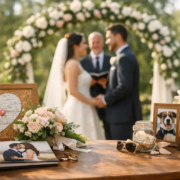
You can spot a generic ceremony almost immediately. The words are perfectly fine, the timing works, everyone smiles for the photos – and yet it could belong to almost any couple. If you are wondering how to personalize wedding ceremony planning without turning it into a stressful writing project, the good news is this: it does not take a dramatic production to make your ceremony feel deeply personal. It takes thoughtful choices.

The most meaningful ceremonies usually are not the ones with the most moving parts. They are the ones that sound like the couple, honor the people in the room, and create a moment that feels grounded in real life instead of borrowed language. That might mean a short and simple ceremony with custom vows. It might mean blending two cultures, adding Spanish or bilingual elements, including children, or finding a respectful balance between secular wording and family traditions. Personal does not have to mean complicated.

Start with the feeling you want people to leave with

Before you choose readings, rituals, or who walks down the aisle first, think about the emotional tone. Do you want the ceremony to feel light and joyful? Quiet and intimate? Traditional with a few modern touches? Warm and family-centered? Romantic but not overly formal?

This is where many couples get stuck. They start by searching for scripts, then end up trying to force their relationship into someone else’s format. It works better the other way around. Start with who you are together, then build the ceremony around that.

For example, a couple planning a waterfront elopement in Western Washington may want something brief, emotional, and relaxed. A couple hosting a larger gathering with grandparents, kids, and blended family dynamics may want a ceremony that feels more structured and inclusive. Neither approach is better. The right fit depends on your relationship, your guests, and what matters most to you.

How to personalize wedding ceremony structure without overcomplicating it

A personalized ceremony does not require reinventing every part. In fact, keeping a familiar structure can help your guests stay present while the custom details do the real work.

Most ceremonies include a welcome, a few words about marriage or the couple, vows, rings, the legal declaration, and the pronouncement. Within that basic framework, there is plenty of room to make it your own.

The welcome can set the tone right away. It can acknowledge how far people traveled, recognize family, mention the setting, or reflect the style of the day. A ceremony at a private home may open differently than one in a formal venue. A bilingual ceremony may begin by greeting guests in both languages so everyone feels included from the start.

The middle of the ceremony is usually where personality comes through most clearly. This is where your officiant can share your story, highlight what makes your connection unique, and speak in a way that feels natural rather than stiff. Some couples want a love story section that is heartfelt and detailed. Others prefer just a few thoughtful lines and more focus on vows. Both can work beautifully.

Use your real story, not a polished version of it

If you want your ceremony to feel personal, give yourself permission to be specific. The best ceremony stories are rarely about being perfect. They are about being recognizable.

Maybe you met later in life and built trust slowly. Maybe one of you is calm and steady while the other is the planner with seventeen open tabs. Maybe your relationship has crossed distance, grief, parenting, career shifts, or second-chance love. Those details matter because they make the ceremony sound true.

That does not mean sharing anything too private or uncomfortable. Personalization is not oversharing. It is choosing details that reflect your bond and values.

A good question to ask is, what do the people who know us best instantly recognize about us as a couple? If the answer is your humor, warmth, loyalty, teamwork, resilience, or total opposites-attract energy, those are excellent themes to bring into the ceremony.

Vows are personal, but they are not the only personal part

Many couples put a lot of pressure on writing vows, as if those few minutes have to carry the entire emotional weight of the ceremony. They do not.

Personal vows can be beautiful, but they are just one piece. If writing your own feels exciting, go for it. If it feels terrifying, you are not failing at romance. You can use traditional vows, lightly customized vows, or a repeat-after-me format with a few personal touches added elsewhere.

What matters is that the promises feel honest. Some couples want poetic language. Others want vows that sound like how they actually speak. A promise to keep choosing each other on ordinary Tuesdays can land just as strongly as a sweeping declaration.

If you are writing your own vows, aim for sincerity over performance. You do not need to impress your guests. You need to say something true.

Rituals, readings, and guest involvement should have a reason

This is where personalization can either shine or start to feel crowded. Unity rituals, family blessings, readings, shared wine ceremonies, handfasting, candle lighting, and community vows can all be meaningful. But none of them are meaningful just because they are popular.

If you are considering a ritual, ask why it belongs in your ceremony. Does it reflect your culture, your beliefs, your family structure, or the kind of commitment you want to express? If yes, great. If not, it may be better to skip it.

The same goes for readings. A reading from literature, scripture, or a meaningful poem can add depth, especially if it reflects your values or history. But if it is included just to fill time, guests can feel that. Shorter ceremonies often feel more powerful because every part has a purpose.

Guest involvement also depends on your style. Some couples love interactive moments, like asking guests for a blessing of support. Others prefer a more intimate, quiet tone. A ceremony can be inclusive without requiring audience participation.

Family, culture, and faith can be included thoughtfully

Some of the most personal ceremonies are also the ones balancing different expectations. Maybe one partner wants a secular ceremony and the other wants a few faith-based elements. Maybe your families come from different cultural backgrounds. Maybe you want to honor parents, children, or grandparents without making the ceremony feel heavy.

This is where thoughtful planning matters. Personalization is not about pleasing everyone equally. It is about finding a respectful way to represent what matters most to you.

Sometimes that means including a short prayer, cultural tradition, or bilingual passage while keeping the overall tone non-denominational. Sometimes it means recognizing family in the welcome and then keeping the rest of the ceremony centered on the couple. Sometimes it means involving children in a simple, age-appropriate way so the ceremony reflects the reality of your family.

There is almost always a middle ground between rigid tradition and ignoring it completely.

How to personalize wedding ceremony wording with the right officiant

The truth is, personalization is much easier when your officiant knows how to guide it. A strong officiant does more than show up and read a script. They help you figure out what fits, what to leave out, and how to shape the ceremony so it feels natural from beginning to end.

That guidance matters even more if you are planning quickly, working with family dynamics, blending languages, or trying to keep things simple without losing meaning. An experienced officiant can help translate your ideas into a ceremony that actually flows well out loud.

At Forever, Together, this is often where couples feel the biggest sense of relief. They do not have to start from a blank page or guess what makes a ceremony work. They can choose a format that fits their day, personalize the parts that matter most, and still keep the planning process calm and manageable.

Keep it personal by keeping it clear

One of the easiest ways to make a ceremony feel more meaningful is also one of the simplest: do less, but do it on purpose.

Too many added elements can water down the moments that matter most. If your vows are the heart of the ceremony, let them breathe. If your love story is the emotional centerpiece, keep the rest streamlined. If you are planning a short legal signing or elopement, remember that brief does not mean impersonal. A few carefully chosen words can be more memorable than a twenty-minute script.

The goal is not to create the most original ceremony anyone has ever seen. The goal is to create one that feels unmistakably like you.

That usually comes down to a handful of smart choices: the right tone, honest wording, a structure that fits your day, and an officiant who can help pull it all together without making you do all the heavy lifting.

When your ceremony sounds like your relationship and feels comfortable in your own voice, people notice. More importantly, you notice. And years later, that is the part you will still care about.

Stunning Venues for an Unforgettable “I Do”

Planning a destination wedding doesn’t have to mean flying overseas. Destination weddings near Seattle, Washington offer breathtaking scenery, easy travel access, and an unforgettable experience for couples and guests alike. From island weddings in Puget Sound to mountain retreats near Mount Rainier, the areas surrounding Seattle provide some of the most scenic and diverse wedding locations in the Pacific Northwest.

Whether you’re envisioning a waterfront ceremony, a forest-filled escape, or a mountain-view celebration, Seattle is the perfect gateway to a destination wedding that feels both elevated and intimate.

Why Choose a Destination Wedding Near Seattle?

A Seattle destination wedding combines convenience with natural beauty. Seattle-Tacoma International Airport (SEA) offers direct flights from across the country, making it easy for guests to attend. Within a short drive or ferry ride, couples can access islands, mountains, vineyards, and waterfront venues that feel worlds away from city life.

Many wedding venues near Seattle also offer weekend-long rentals, on-site accommodations, and full-service planning support—key elements that create a true destination wedding experience without international logistics.

Island Destination Weddings Near Seattle

One of the most popular choices for couples planning destination weddings in Washington State is the Puget Sound islands.

Bainbridge Island Weddings

A Bainbridge Island destination wedding delivers lush forests, coastal views, and relaxed Pacific Northwest charm just a 35-minute ferry ride from downtown Seattle. Bainbridge Island wedding venues are ideal for couples looking for an intimate feel combined with easy access for guests.

Orcas Island Destination Weddings

For couples seeking a true getaway, Orcas Island weddings are among the most sought-after destination options in the state. Located in the San Juan Islands, Orcas Island features dramatic shorelines, rolling hills, and boutique inns. Many Orcas Island wedding venues allow couples to host multi-day celebrations, encouraging guests to unplug and fully immerse themselves in the experience.

Mountain Destination Weddings Near Seattle

If your dream wedding includes alpine views and towering evergreens, the mountain wedding venues near Seattle deliver unmatched scenery.

Mount Rainier Wedding Venues

A Mount Rainier destination wedding offers panoramic mountain views, wildflower meadows, and iconic Pacific Northwest landscapes. Mountain resorts and lodges near Rainier are well-equipped for weddings, often offering gondola access, ceremony platforms, and on-site lodging—making them accessible and memorable for guests of all ages.

Snohomish and Cascade Foothills Weddings

The Snohomish Valley and nearby foothills feature garden estates and forest venues ideal for couples seeking a mix of rustic elegance and natural beauty. These outdoor wedding venues near Seattle feel secluded while remaining close to major amenities.

Waterfront Destination Weddings in Washington State

Waterfront weddings are a defining feature of the Pacific Northwest.

Hood Canal and Kitsap Peninsula Weddings

Couples searching for waterfront wedding venues near Seattle often turn to the Kitsap Peninsula and Hood Canal. These locations offer forested shorelines, mountain-meets-water views, and classic Pacific Northwest lodges. Many waterfront venues provide on-site lodging and full weekend access, making them ideal for destination-style weddings.

Best Time of Year for Destination Weddings Near Seattle

Seasonality plays an important role in planning a Washington destination wedding:

  • Summer (June–September): Popular for outdoor island and mountain weddings thanks to mild weather and long daylight hours
  • Fall (October): Perfect for moody forest weddings and rich autumn colors
  • Spring (April–May): Lush landscapes and blooming gardens, with fewer crowds
  • Winter (November–March): Ideal for cozy mountain lodge weddings and intimate celebrations

A Destination Wedding Without the Distance

Choosing a destination wedding near Seattle, Washington allows couples to enjoy breathtaking scenery without sacrificing convenience or comfort for guests. With island retreats, mountain views, forest escapes, and waterfront venues all within reach, Seattle stands out as one of the best destination wedding hubs in the United States.

For couples who want their wedding to feel like a meaningful experience—not just a single day—Seattle-area destination weddings offer the perfect balance of romance, adventure, and accessibility.

Destination weddings often get labeled as luxury events reserved for wealthy couples with unlimited travel budgets. Images of private beaches, five‑star resorts, and extravagant guest experiences make it feel financially impossible for most people.

But here’s the reality: destination weddings on a budget are not only doable—they can be cheaper than traditional weddings.

With strategic planning, flexible expectations, and the right location, affordable destination weddings are becoming a practical option for couples who don’t have $30,000 to spend on one day.

Why Destination Weddings Are Often More Affordable Than Traditional Weddings

One of the biggest misconceptions is that destination weddings automatically cost more. In reality, many couples spend less overall.

The average traditional wedding in the U.S. costs $30,000–$35,000, driven by large guest lists, separate vendor contracts, venue fees, and décor expenses.

By comparison, destination wedding costs are often lower because:

  • Guest lists are smaller
  • Wedding packages bundle vendors together
  • Venues already provide scenic backdrops
  • Events are shorter and more streamlined

When couples reduce complexity, costs naturally drop.

Destination Wedding Cost Breakdown (Realistic Numbers)

Traditional Wedding (Budget‑Conscious)

  • Venue & catering: $15,000
  • Photographer: $3,000
  • Flowers & décor: $3,000
  • Entertainment: $2,500
  • Miscellaneous expenses: $4,000

Total: $27,500+

Destination Wedding on a Budget

  • All‑inclusive wedding package: $3,000–$6,000
  • Flights for the couple: $1,000–$2,000
  • Resort accommodations: $0–$1,500 (often discounted or comped)
  • Add‑ons and tips: $1,000

Total: $6,000–$10,000

This is why so many couples ask: are destination weddings cheaper?

In many cases, the answer is yes.

Best Affordable Destination Wedding Locations

Choosing the right location is critical for keeping costs down.

Affordable Destination Wedding Locations

  • Mexico (Cancun, Riviera Maya, Puerto Vallarta)
  • Jamaica
  • Dominican Republic
  • Costa Rica
  • Puerto Rico (no passport required for U.S. citizens)

These destinations offer:

  • Competitive wedding packages
  • Affordable flights
  • Experienced wedding coordinators
  • High resort competition (drives prices down)

Locations That Are Harder on a Budget

  • Italy, France, Greece
  • Bora Bora, Maldives
  • Remote islands with limited flights

These destinations can work—but they are not ideal for couples seeking a low‑budget destination wedding.

Guest Count: The Biggest Cost‑Saving Factor

Affordable destination weddings almost always involve smaller guest lists.

Most couples invite 25–50 guests, which:

  • Lowers package pricing
  • Reduces food and beverage costs
  • Creates a more intimate experience

A smaller guest count isn’t a downside—it’s often the reason destination weddings stay affordable.

Do Guests Pay for Their Own Travel?

Yes—and this is standard for destination weddings.

Guests typically:

  • Pay for flights
  • Book their own accommodations
  • Treat the wedding as a vacation

Couples usually cover:

  • The ceremony
  • Food and drinks during wedding events
  • Optional welcome or farewell gatherings

Attendance is optional, and most guests understand that not everyone can attend.

Where Couples Save the Most Money

Destination weddings naturally reduce costs in areas that often inflate traditional weddings:

  • Décor: Natural scenery replaces expensive styling
  • Entertainment: DJs or live music are often included
  • Food & drinks: Bundled per‑person pricing
  • Planning: On‑site coordinators handle logistics

This makes destination weddings for couples on a budget far more realistic than many expect.

Common Budget Mistakes to Avoid

To keep a destination wedding affordable, avoid:

  • Over‑customizing packages
  • Choosing peak travel seasons
  • Ignoring legal requirements early
  • Assuming all invited guests will attend

Staying flexible is key to staying on budget.

Are Destination Weddings on a Budget Actually Doable?

Yes—destination weddings on a budget are absolutely doable for non‑wealthy couples.

They work best for couples who:

  • Prefer experiences over tradition
  • Want a smaller, more meaningful guest list
  • Value simplicity and scenery
  • Want their wedding and honeymoon combined

For many couples, an affordable destination wedding isn’t a compromise—it’s the smarter financial choice.

Final Thoughts

You don’t need a luxury budget to get married somewhere beautiful. With thoughtful planning and realistic expectations, destination weddings can be one of the most affordable and memorable ways to start a marriage.

Sometimes, the less traditional path is the most practical one.

Practical advice for handling tricky situations and keeping the peace

After officiating over 1,200 weddings, I can confidently say this: very few couples struggle because they don’t love each other enough. What does catch many couples off guard is how deeply wedding planning can stir family dynamics.

As a wedding officiant, I often meet couples at an incredibly meaningful crossroads—full of excitement, intention, and hope—while also carrying the weight of expectations, opinions, and family histories that surface during the planning process. Long before the ceremony begins, I hear stories about guest list disagreements, tradition clashes, and emotional conversations that started with something small and quickly became something bigger.

  • What I’ve learned from standing with couples during this season is that these challenges are not a sign that something is wrong. They’re a sign that weddings matter.

The Strongest Couples Start by Centering Their Partnership

The couples who navigate family dynamics most smoothly tend to do one thing early on: they ground themselves in why they’re getting married and what truly matters to them.

When couples take the time to align privately—before responding to family input—it shows. Decisions become clearer. Communication becomes steadier. And when family members sense that unity, conversations often soften.

  • From my perspective, this shared clarity becomes the emotional foundation of the ceremony itself.

Clear Expectations Create More Peace Than Silence Ever Will

Many of the tensions I hear about don’t come from ill intent, but from assumptions. Family members often carry their own ideas about what weddings should look like—ideas shaped by culture, tradition, or their own experiences.

Couples who address expectations early tend to avoid bigger conflicts later. Honest, respectful conversations about roles, decision-making, and boundaries create a sense of transparency. Even when opinions differ, clarity reduces resentment.

  • As an officiant, I can often feel the difference between couples who navigated these conversations intentionally and those who felt swept along by them.

Listening Is a Gift—Agreement Is Optional

One of the most important lessons I see couples learn is that listening does not equal compliance.

Weddings invite opinions from many directions. Some are deeply meaningful. Others are simply preferences. Couples who are able to listen with compassion—without feeling pressured to change their plans—often find a healthier emotional balance.

  • Acknowledging feelings honors relationships. Making intentional choices honors the partnership. Both can coexist.

Boundaries Protect the Joy of the Experience

From where I stand, boundaries are not barriers to love—they are acts of care.

I’ve watched couples grow more confident and grounded once they begin setting gentle but firm boundaries around planning conversations, decision-making, and emotional labor. These boundaries allow couples to stay connected to the joy of their engagement rather than feeling consumed by stress.

  • And importantly, boundaries practiced during wedding planning often become skills couples carry into marriage itself.

Inclusion Can Be Healing—When It’s Intentional

Not every strong opinion is rooted in control. Often, it comes from a desire to feel included in a meaningful life moment.

When couples invite loved ones into specific, well-defined roles, it can ease tension and deepen connection. As an officiant, I’ve seen how this sense of inclusion often shows up beautifully on the wedding day itself—through pride, presence, and genuine support.

  • The key is intention: choosing involvement that feels supportive rather than obligatory.

Old Family Stories Often Surface—And That’s Okay

Weddings have a way of bringing old family narratives to the surface: divorces, blended families, estrangements, unresolved grief. I often witness couples navigating these realities with great care.

It’s important to remember that a wedding doesn’t need to heal every family wound. Thoughtful planning, clear communication, and compassionate acceptance often do far more than forcing resolution.

  • From the ceremony space, what matters most is that the couple feels safe, supported, and emotionally present.

Letting Go Is Sometimes the Most Loving Choice

One of the most peaceful shifts I see couples make is realizing they don’t have to carry everything. Not every expectation can be met. Not every disappointment can be avoided.

Couples who allow themselves to let go—of perfection, of universal approval, of old expectations—often arrive at their wedding day lighter, calmer, and more open to joy.

  • And that openness is something everyone can feel.

Remembering What the Day Is Truly About

When I stand with couples at the altar, what moves me most isn’t the décor or the schedule—it’s the intention. The quiet moment before vows are spoken. The decision to choose one another, witnessed by the people who shaped them.

  • Family dynamics are part of that story, but they are not the whole story.

A Final Word from the Officiant’s Perspective

Wedding planning is not just about creating a beautiful day—it’s about practicing communication, compassion, and boundaries as a couple. The way you navigate this season often mirrors how you’ll navigate future challenges together.

  • As a wedding officiant, my hope for every couple is this: that you arrive at your ceremony feeling grounded, supported, and deeply connected to one another—ready to begin your marriage with intention and peace.

There’s something delightfully poetic about a wedding: two people making a timeless promise… while also juggling playlists, seating charts, and a dozen tiny decisions that definitely didn’t exist in your grandparents’ day. And yet, that’s the magic of modern love—tradition and innovation sharing the same dance floor.

“Tech & Innovation” doesn’t have to mean turning your wedding into a product launch. It can simply mean using smart tools to reduce stress, improve accessibility, and create more moments that feel unmistakably you. The best wedding tech is the kind you barely notice—because it’s quietly smoothing edges, connecting faraway loved ones, and freeing you to be present.

Below are practical, wedding-friendly ways technology can elevate your celebration—without stealing the spotlight.


1) Innovation starts with intention (not gadgets)

Before you download yet another planning app, ask one question:

What do we want to feel on our wedding day?

Calm? Playful? Intimate? Bold? Once you name the vibe, tech becomes a supportive cast member rather than the main character. For example:

  • If you want ease, tech can automate reminders and RSVPs.
  • If you want connection, it can bridge distance with streaming and digital guest messages.
  • If you want meaning, it can help you craft a ceremony script that reflects your values and heritage.

Even deeply traditional ceremonies can benefit from modern support. One example from a ceremony script I found in your files describes a handfasting celebration that honors the land and recognizes love as “dynamic and fluid,” blending old-world tradition with present-day language and context. [Pagan (Nor…g Ceremony | Word]

That’s the sweet spot: keep the heart, modernize the logistics.


2) The planning “stack”: build a simple tech toolkit

Think of wedding planning like building a tiny, temporary operating system. You don’t need a dozen platforms—just a few reliable pieces that work well together:

A single source of truth

  • A shared doc, spreadsheet, or planning hub for your budget, vendor contacts, and timeline.
  • (You already have artifacts like a “wedding worksheet” and “Wedding Program” in your files—great foundations for centralizing details.) [onedrive.live.com], [onedrive.live.com]

A communication channel

  • One group thread (or a small set of them) to keep families and key helpers aligned.
  • Pro tip: make a separate thread for “decision makers only” to avoid a hundred-message tangent about napkin colors.

A timeline manager

  • A day-of schedule that’s shareable and printable.
  • If you have a coordinator, give them edit access so updates don’t bottleneck with you.

The goal is not maximal efficiency—it’s fewer dropped balls, fewer duplicated questions, and less emotional bandwidth spent on admin.


3) Digital payments: less friction, fewer awkward moments

Weddings come with deposits, retainers, and final payments—and innovation here is wonderfully unglamorous: remove payment friction.

One document in your files (“Paying Your Initial Retainer”) shows a vendor offering multiple digital options—Venmo, CashApp, and Zelle—for a wedding retainer payment. That’s a small detail with a big impact: it shortens the back-and-forth, reduces paperwork, and helps you keep momentum when you’re booking key services. [Paying You…l Retainer | Word]

Ways to make digital payments feel organized (not chaotic):

  • Keep a single ledger (spreadsheet or budgeting tool) with columns for due dates, amounts, method, and confirmation notes.
  • Screenshot receipts and store them in one folder (e.g., “Vendor Payments”).
  • Add calendar reminders two weeks before each payment date—future you will be grateful.

Innovation isn’t always flashy. Sometimes it’s just: “We didn’t lose the invoice, and no one had to mail a check.”


4) Invitations & RSVPs: make it easy to say “yes”

The most guest-friendly weddings are the ones that reduce guest effort. Digital RSVPs can be a kindness, especially for guests who are traveling, busy, or managing family logistics.

Low-drama, high-impact upgrades:

  • A wedding website with schedule, directions, dress code, accessibility notes, and FAQs.
  • RSVP forms that allow meal choices, dietary needs, and song requests.
  • Automatic confirmations so guests aren’t wondering if their RSVP “went through.”

If you love paper invites (and many people do!), consider a hybrid approach:

  • Print the invitation.
  • Include a simple RSVP link or QR code for convenience.
  • Keep a small set of phone/mail options for guests who prefer offline.

This is innovation as hospitality.


5) Ceremony tech that protects the moment

The ceremony is where the emotional center lives. The best tech choices here are the ones that amplify meaning—without interrupting it.

Audio: the underrated hero

If guests can’t hear your vows, they can’t fully share the moment with you. A discreet microphone setup is one of the highest ROI decisions you can make.

Livestreaming: belonging from afar

For loved ones who can’t travel, a simple livestream can be a lifeline. Done well, it creates a sense of participation without making the in-person ceremony feel like it’s “for the camera.”

Digital ceremony scripts: collaboration without clutter

If you’re writing something personal—like a modern handfasting script that blends tradition, land acknowledgment, and bespoke vows—shared documents make it easier to workshop language together. [Pagan (Nor…g Ceremony | Word]

Innovation here isn’t about novelty. It’s about access (hearing, seeing, understanding) and presence (so you can stay in the feeling).


6) Guest experience: delight without distraction

Once guests arrive, tech can create little “wow” moments that feel thoughtful rather than gimmicky:

Photo sharing without chaos

  • A shared album link or QR code so guests can upload photos in real time.
  • This can capture perspectives your photographer won’t—like the flower girl making faces during cocktail hour.

Interactive guest book alternatives

  • Video messages recorded in a quiet corner (with a simple setup).
  • Digital notes collected via a form for guests who’d rather type than write.

Smart signage

  • QR codes for the schedule, menu, signature drinks, or seating chart.
  • Helpful for big weddings, great for reducing paper waste, and accessible for guests who like zoomable text.

A good rule: if it makes guests look up and connect, it’s a win. If it makes guests stare at their phones all night, dial it back.


7) Tech-forward doesn’t mean cold—make it personal

The fear some couples have is that “tech” will make the day feel less human. But innovation can be deeply personal when it’s used to tell your story:

  • A short montage of voice notes or texts (tastefully edited) played during the rehearsal dinner.
  • A playlist that includes crowd-sourced requests from RSVPs.
  • A digital timeline of your relationship on your wedding website—simple, sweet, not overly curated.

Even tradition-heavy ceremonies—like the handfasting example in your files—can feel contemporary through inclusive language and intentional framing. The point isn’t to modernize for the sake of it; it’s to make the ritual feel alive in your time. [Pagan (Nor…g Ceremony | Word]


8) A quick word on privacy (because innovation has boundaries)

A modern wedding also means being mindful of digital consent.

Consider:

  • An “unplugged ceremony” request (or partial unplugged: no phones during vows).
  • A gentle note about photo sharing—especially for guests who prefer not to appear online.
  • A designated person to manage the livestream so you’re not troubleshooting 10 minutes before walking down the aisle.

Innovation feels best when it’s paired with care.


Closing: the future of weddings is still love

At the end of the day, tech is just the scaffolding. The real architecture is the promise you’re making.

Use innovation to:

  • reduce friction,
  • increase access,
  • preserve memories,
  • and protect your presence.

And then? Let the rest fade behind the music, the laughter, the vows, and the small, unforgettable moments that no device can improve—only witness.

Wedding Bells, Stolen Shoes, and Broken Plates

Think weddings are all about crisp white dresses and perfectly timed first dances? Think again. Around the world, couples kick off married life with traditions that are messy, noisy, mischievous—and honestly kind of genius. From public food fights to sanctioned shoe theft, these customs prove that love doesn’t take itself too seriously.

Grab some confetti (and maybe a broom). We’re going globetrotting.


Scotland: When Love Means Getting Absolutely Filthy

In parts of Scotland, friends celebrate an engagement by ambushing the couple and covering them in whatever sticky, smelly substances happen to be nearby—flour, soot, feathers, spoiled milk, you name it. This is lovingly known as “the blackening.”

The couple is then paraded through town looking like they lost a fight with a bakery and a coal mine.

Romantic? Surprisingly, yes. The idea is simple: if you can survive this together without losing your sense of humor, marriage doesn’t stand a chance.


Germany: Smash Now, Sweep Later

German weddings come with a pre‑party called Polterabend, where guests gleefully smash plates and ceramics while cheering the couple on. No glass allowed (bad luck), but toilets, flowerpots, and old plates are fair game.

Once the smashing ends, the real test begins: the couple must clean up the chaos together.

It’s symbolic, practical, and oddly satisfying—like marriage prep, but louder.


India: The Wedding Shoe Heist

At many Indian weddings, the groom removes his shoes before stepping into the ceremony space. This is the exact moment the bride’s family has been waiting for.

They steal the shoes.

This tradition, called Joota Chupai, turns into a full‑blown negotiation where the groom must bribe, bargain, or charm his way into getting them back. The result? Laughter, bonding, and a gentle reminder that marriage involves compromise—and occasionally ransom money.


South Korea: A Sole‑Searching Experience

Some South Korean grooms celebrate their big day by having their feet tied together and lightly beaten with sticks or dried fish. Yes, really.

The ritual is playful, not cruel, and often includes trivia questions shouted at the groom between taps. It’s meant to test his strength, patience, and ability to laugh at himself—arguably excellent marriage qualifications.


China (Tujia Tradition): Cry Now, Celebrate Later

In certain Chinese communities, brides cry daily for weeks before the wedding. Eventually, mothers, grandmothers, and sisters join in, turning it into a full family event.

It’s not sadness—it’s gratitude, release, and emotional prep work. Think of it as clearing out all the feelings so the wedding day can be pure joy.

(Also: cheaper than therapy.)


Kenya (Maasai Culture): A Spit of Good Luck

Among the Maasai people, a father blesses his daughter by spitting on her before she leaves to start married life. While this may horrify outsiders, spitting is a symbol of respect and good fortune in Maasai culture.

It’s a good reminder that “blessings” look different everywhere—and that cultural context matters.


Why These Traditions Are Actually Kind of Brilliant

Strip away the feathers, fish, and broken crockery, and you’ll find a common theme:

  • Marriage is a community event
  • Laughter makes transitions easier
  • Starting imperfectly is perfectly okay

These customs don’t aim for Instagram perfection. They aim for connection.


Final Thought

Love doesn’t always glide in on a string quartet. Sometimes it arrives covered in flour, barefoot, sweeping up shards, or laughing while someone steals your shoes. And maybe that’s the best way to start a marriage—by learning early that joy and chaos often show up together. And remember, Forever, Together is always here to help you make your wedding wishes come true!

If the idea of a perfectly symmetrical ballroom wedding makes you want to sneak out the side door, good news: you’re not broken—you’re offbeat. And offbeat weddings are where the real magic happens.

Offbeat wedding themes toss the rule book into the confetti cannon and say, “Let’s do this our way.” They’re joyful, personality-packed celebrations that feel less like a formal obligation and more like the best party you’ve ever thrown with your favorite people.

So if you’re dreaming of a wedding that makes guests say, “This is SO them,” instead of “The chicken was nice,” keep reading.

What Is an Offbeat Wedding, Anyway?

An offbeat wedding isn’t about being weird just for the sake of it (unless you want to be weird—no judgment). It’s about ditching expectations that don’t fit and keeping the parts that make your love story shine.

That might look like:

  • Taco trucks instead of a five-course meal
  • Sneakers under your wedding dress
  • A ceremony that’s heartfelt, hilarious, and mercifully short

In short: an offbeat wedding feels fun, intentional, and unmistakably you.

Playfully Offbeat Wedding Theme Ideas

1. Festival-Style Weddings (AKA Love, But Make It a Party)

If your ideal wedding includes dancing under string lights, food trucks parked nearby, and at least one guest kicking off their shoes—festival weddings are calling your name.

Think:

  • Live music or DJs instead of rigid timelines
  • Lawn games, lounge seating, and come-and-go vibes
  • A schedule that says “eat, drink, dance, repeat”

Bonus: guests always remember these weddings as fun, which is kind of the dream.

2. Retro Throwbacks & Time-Hopping Fun

Why live in the present when you can get married in another decade? Retro weddings invite guests to dress up, lean in, and fully commit to the bit.

Popular eras include:

  • Groovy ’70s disco energy
  • Playful ’90s nostalgia
  • Old-Hollywood glam with dramatic flair

When everyone’s dressed like they stepped out of a time machine, the dance floor tends to get wild—in the best way.

3. Whimsical & “Wait, That’s Brilliant” Themes

Whimsical weddings are for couples who love color, curiosity, and surprising details. These celebrations don’t take themselves too seriously—and neither do the guests.

Ideas include:

  • Alice-in-Wonderland-inspired tea parties
  • Carnival vibes with games and treats
  • Celestial or storybook aesthetics

If your wedding makes people smile before they even sit down, you’re doing it right.

4. Nature Lovers, But Make It Chill

Offbeat doesn’t always mean loud. Sometimes it’s barefoot ceremonies in the woods, picnic-style receptions, or saying “I do” with a mountain as your backdrop.

Playful nature weddings focus on:

  • Relaxed, outdoorsy vibes
  • Wildflowers and mismatched décor
  • Letting the setting do the heavy lifting

Less fuss, more fresh air, and a strong chance someone will say, “Can we stay here forever?”

5. Pop Culture (Without Turning It Into a Costume Party…Unless You Want To)

Shared fandoms make excellent wedding inspiration—especially when you keep it clever and subtle.

Think:

  • Signature cocktails named after favorite characters
  • Music, quotes, or colors inspired by your obsession
  • Easter eggs guests can spot throughout the day

It’s a wink, not a scream. (Unless screaming is your brand.)

How to Keep an Offbeat Wedding Fun (Not Overwhelming)

The secret to pulling off a playful offbeat wedding is balance. You want guests to feel delighted, not confused.

A few friendly tips:

  • Pick one main idea. You don’t need every fun concept ever invented.
  • Make guests feel included. If something’s unconventional, explain it clearly (your website is your best friend).
  • Comfort matters. Fun is way more fun when people are fed, warm, and know where the bathrooms are.

Remember: playful doesn’t mean chaotic—it means thoughtfully joyful.

Why Couples Love Going Offbeat

Couples who choose offbeat weddings often say the same things afterward:

  • “It felt like us.”
  • “Everyone actually had fun.”
  • “We’d do it the same way again.”

Offbeat weddings tend to be more relaxed, more memorable, and more emotionally satisfying—because they focus on connection, not perfection.

Final Thoughts: Do You, Loudly (or Softly)

At the end of the day, your wedding isn’t a performance—it’s a celebration. An offbeat wedding gives you permission to laugh, break rules, tell your story, and throw a party that feels like home.

So wear the outfit. Serve the food. Play the music. Skip the traditions that don’t fit and double down on the ones that make you grin. And let Forever, Together help you put together the wedding of your dreams, as we have done for over 1200 couples since 2009!

Because the best weddings aren’t the most traditional—they’re the ones where love shows up exactly as it is: happy, weird, and wildly worth celebrating.

Weddings naturally bring together two families, two histories, and often—two languages. As multicultural marriages grow more common, many couples find themselves wondering whether a bilingual wedding is right for them. The answer depends on your guests, your cultural backgrounds, and the kind of experience you want to create. Below, we explore the scenarios where a bilingual wedding truly shines, drawing on insights from wedding planners and multilingual‑ceremony experts.

When Your Guest List Includes Multiple Language Communities

One of the clearest reasons to host a bilingual wedding is when your guests don’t all speak the same language. A ceremony conducted in just one language can unintentionally leave part of your guest list feeling disconnected or confused.

Wedding experts emphasize that a bilingual format ensures all guests “can understand and take part in your wedding in a meaningful way”. Programs, translation notes, or a bilingual officiant help create an inclusive atmosphere where everyone feels valued. [zola.com]

When You Want to Honor Both Cultures Equally

For multicultural couples, language is often tightly intertwined with identity. Many want both families to hear key moments—like vows, readings, or blessings—in their own language.

Celebrants note that “hearing your native language on such an important day is perfectly understandable” because language is tied to emotion and belonging. In these cases, bilingual ceremonies aren’t just practical—they’re deeply meaningful. [celiviva.wedding]

When Both Languages Play a Role in Your Relationship

Some couples communicate in a shared non‑native language, while each partner retains emotional ties to their mother tongue. For example, a German‑speaking partner and a French‑speaking partner may mainly use English together—but still want to incorporate German and French into the ceremony to reflect their roots.

A bilingual structure allows couples to celebrate their shared life while still honoring personal identities.

When You Want to Incorporate Cultural Rituals From Both Sides

Bilingual weddings often pair beautifully with multicultural traditions—such as blending rituals, music, culinary elements, and symbolic gestures.

Planners recommend integrating “rituals and readings from both backgrounds” and even weaving cultural elements into décor or menus to create “a stunning visual narrative” that tells the couple’s story. [theknot.com]

When Most Guests Are Fluent in Both Languages

If most attendees are bilingual, you gain flexibility. You might:

  1. Alternate languages for different sections of the ceremony
  2. Present each portion first in one language, then the other
  3. Use one language for officiating but another for vows

This “two languages on equal footing” method is common and highly effective when guests can follow along easily. [celiviva.wedding]

When One Language Dominates—but You Still Want to Acknowledge the Other

In some weddings, most guests speak one primary language, while only a small portion speak another. In those cases, experts suggest having the ceremony mostly in the dominant language while still weaving in parts of the second language—such as vows, blessings, or readings—so everyone feels represented. [celiviva.wedding]

This approach keeps the ceremony flowing smoothly while incorporating meaningful nods to the less‑represented language group.

When You Want Your Wedding Materials to Be Accessible

If you plan to create invitations, signage, programs, or a wedding website, bilingual versions can help guests feel informed and included.

Guides recommend bilingual invitations and websites, noting that dual‑language formats avoid confusion and help guests engage with the event more fully. Many modern website builders even support easy translation options. [zola.com]

When You Want a Ceremony That Feels Intentional and Inclusive

Even small bilingual elements—translated vows, dual‑language programs, multilingual music—can make a wedding feel more thoughtful.

Bilingual ceremonies “keep all guests included in the moment” and help ensure the celebration honors both people and their families, according to wedding planners specializing in inclusive events. [photo-space.live]

When You Want to Blend Cultures Seamlessly and Smoothly

A well‑planned bilingual wedding requires forethought: choosing which parts of the ceremony will be in each language, selecting a bilingual officiant or translator, and rehearsing transitions.

According to multilingual‑ceremony guides, selecting the right languages, considering guest fluency, and balancing equal or alternating use helps “create a harmonious blend” for a meaningful celebration. [shunbridal.com]

Final Thoughts: Does a Bilingual Wedding Make Sense for You?

A bilingual wedding makes the most sense when:

  1. Your guests speak different languages
  2. You want to honor two cultures equally
  3. Language is emotionally important to you or your partner
  4. You want a ceremony that feels inclusive, intentional, and personal

Ultimately, the goal is connection—between you, your partner, your families, and your loved ones. If using more than one language brings people closer together on your wedding day, then a bilingual format is not just practical, but profoundly meaningful.

Llevo más de 10 años oficiando bodas en español y bilingües, ¡y me encantaría ayudarte con la tuya!


When planning a wedding, the venue sets the tone for the entire celebration. While traditional ballrooms and banquet halls are timeless choices, many couples today are looking for something that reflects their personality and creates unforgettable memories. If you’re dreaming of a wedding that stands out, consider these extraordinary venues that break away from the ordinary.


Why Choose an Unusual Venue?

Your wedding is a once-in-a-lifetime event, and the location plays a huge role in making it special. Unique venues offer:

  • Personalization: A setting that reflects your interests and love story.
  • Memorable Experiences: Guests will talk about your wedding for years to come.
  • Stunning Backdrops: Perfect for photography and social media moments.

1. Historic Libraries

Imagine saying “I do” surrounded by towering shelves of classic literature. Libraries exude elegance and intellectual charm, making them ideal for book lovers. Many historic libraries feature ornate architecture, stained glass windows, and cozy reading nooks that create a romantic atmosphere.
Tip: Check if the library offers event packages and ensure there’s space for dining and dancing.


2. Botanical Gardens

For nature enthusiasts, botanical gardens provide a lush, vibrant setting. Picture exchanging vows under a canopy of flowers or hosting a reception among exotic plants. These venues often have seasonal blooms, so your wedding photos will look like a living postcard.
Tip: Consider the time of year—spring and summer offer the most color, while autumn brings warm, earthy tones.


3. Art Galleries

Art galleries are perfect for couples who appreciate creativity and sophistication. The artwork becomes part of your décor, adding a modern and stylish vibe. Guests can mingle while admiring the exhibits, making your wedding feel like an exclusive cultural event.
Tip: Coordinate with the gallery to ensure the art on display complements your wedding theme.


4. Aquariums

Few venues are as magical as an aquarium. Imagine a backdrop of shimmering blue water, colorful fish, and graceful sea creatures. It’s a serene, otherworldly setting that feels like stepping into an underwater dream.
Tip: Ask about lighting options—soft, ambient lighting enhances the aquatic atmosphere.


5. Rustic Barns

Barn weddings combine rustic charm with cozy elegance. With wooden beams, fairy lights, and open spaces, barns create a warm, inviting environment. They’re perfect for couples who love country vibes and want a relaxed yet stylish celebration.
Tip: Make sure the barn is equipped for weather changes and has proper facilities for guests.


6. Rooftop Terraces

Urban couples can take their love to new heights with a rooftop wedding. These venues offer panoramic city views, chic décor, and a glamorous atmosphere. Sunset ceremonies are particularly breathtaking, followed by starlit receptions.
Tip: Check noise restrictions and weather forecasts—rooftops can be windy!


7. Caves

For adventurous souls, caves provide a dramatic and mysterious setting. The natural rock formations and ambient lighting create an intimate, awe-inspiring experience. It’s a venue that guarantees your wedding will be unlike any other.
Tip: Ensure the cave is safe and accessible for all guests, and plan for extra lighting.


8. Museums

Museums offer a blend of culture and elegance. Whether it’s history, science, or art, these venues provide a unique backdrop and plenty of conversation starters. Guests can explore exhibits during cocktail hour, making your wedding both fun and educational.
Tip: Confirm if the museum allows photography and dancing in exhibit areas.


Budget Tips for Unusual Wedding Venues

Choosing a unique venue doesn’t have to break the bank. Here are some practical ways to keep costs under control while still making your wedding extraordinary:

1. Off-Peak Dates

Most venues charge premium rates during peak wedding season (spring and summer weekends). Opt for a weekday or an off-season date—like late fall or winter—to enjoy significant savings.

2. All-Inclusive Packages

Some unconventional venues, such as museums or aquariums, offer bundled packages that include catering, décor, and staff. These can be more cost-effective than sourcing everything separately.

3. Limit Guest Count

Unusual venues often have space limitations. Embrace a smaller guest list to reduce catering and rental costs while creating a more intimate experience.

4. DIY Décor

Venues like art galleries or botanical gardens already provide stunning backdrops. Keep decorations minimal and let the venue’s natural beauty shine—saving both time and money.

5. Negotiate and Compare

Don’t hesitate to ask about discounts for off-hours or shorter rental periods. Compare multiple venues and be upfront about your budget; many locations are willing to customize packages.

6. Consider Hidden Costs

Unique venues may require extra expenses for permits, insurance, or special equipment (like lighting in caves or climate control in barns). Factor these into your budget early to avoid surprises.


Final Thoughts

Choosing an unusual wedding venue is about creating a celebration that reflects your personality and leaves a lasting impression. Whether you’re drawn to the romance of a library, the beauty of a garden, or the adventure of a cave, the key is planning ahead. Consider logistics like accessibility, permits, and guest comfort to ensure your unique location becomes the perfect stage for your love story.