11 Simple Wedding Ceremony Ideas That Feel Personal

If the thought of planning your ceremony makes you want to hide under a blanket with your partner and your dog, you are not alone. Many couples looking for simple wedding ceremony ideas are not trying to make the moment less meaningful – they are trying to make it feel more honest, more comfortable, and a lot less stressful.

A simple ceremony does not mean bare, rushed, or generic. It means keeping what matters and letting go of what does not. For some couples, that looks like a short lakeside ceremony with just immediate family. For others, it means a bilingual gathering in a backyard, a private vow exchange before guests arrive, or a quick legal signing followed by dinner with the people they love most. The best version is the one that sounds like you.

Why simple wedding ceremony ideas work so well

There is a reason so many couples are moving away from long, formal scripts that feel written for someone else. Simplicity gives you room to breathe. It lets your guests stay present, helps nervous speakers feel more comfortable, and keeps the focus on the commitment you are making instead of the performance of a wedding.

It can also solve practical problems. If you are planning on a shorter timeline, working within a budget, blending families, managing cultural expectations, or trying to keep things accessible for older relatives, a simpler ceremony often creates more flexibility. That does not mean every choice is easy. Usually, the real work is deciding what deserves a place in the ceremony and what can be saved for the reception or skipped entirely.

Start with the feeling you want, not the format

Before you choose readings, music, or who walks in with whom, ask a simpler question: how do you want the ceremony to feel?

Do you want quiet and intimate? Lighthearted and warm? Short and efficient with one emotional moment that really lands? Couples often get stuck because they start with traditions instead of tone. Once you know the feeling you want, the ceremony structure gets easier to build.

If you want calm and intimate, you may want fewer moving parts, fewer speakers, and shorter processional music. If you want family-centered, you might include a welcome that acknowledges children, parents, or chosen family. If you want something relaxed and modern, the ceremony can be brief, conversational, and personal without sounding stiff.

11 simple wedding ceremony ideas to make it personal

1. Keep the ceremony short

One of the most effective simple wedding ceremony ideas is also the easiest: make it shorter. A meaningful ceremony does not need to run 30 or 40 minutes. For many couples, 10 to 15 minutes is the sweet spot.

That gives enough time for a welcome, a short story or reflection, vows, ring exchange, and pronouncement without losing energy. If you are adding readings or family participation, you can stretch a little longer. But shorter often feels more heartfelt because every part has a reason to be there.

2. Open with a welcome that sounds human

A warm, conversational welcome can change the whole tone. Instead of a formal opening that feels distant, start with a few lines that sound like real people gathered for a real reason.

This is especially helpful if your guest list includes people from different backgrounds, belief systems, or sides of the family who have not spent much time together. A simple welcome can make everyone feel included right away.

3. Share a short relationship story

You do not need a full biography of your romance. A brief story about how you met, what drew you together, or what your partnership has grown into can add a lot of heart without adding a lot of time.

The key is keeping it specific. One honest paragraph will usually do more than a long, overly polished speech. The best ceremony stories sound like the couple, not like a movie trailer.

4. Write simple personal vows

Personal vows do not have to be long to be memorable. In fact, some of the strongest vows are plainspoken and direct.

If writing your own vows feels intimidating, try this format: what you love about your partner, what you promise, and what kind of life you want to build together. That is enough. You are not being graded, and nobody is expecting a stand-up set mixed with poetry. Unless that is your thing, in which case, go for it.

5. Include one meaningful reading

A single reading can add depth without making the ceremony feel packed. It might be a poem, a short passage from literature, a spiritual text, or even a few lines from a song or movie that matters to you.

One reading is often better than three. It gives the moment room to land. If you want to include several voices, consider using just one reader and inviting others to participate in different ways.

6. Involve family without overcomplicating the ceremony

Many couples want to honor parents, children, siblings, or close friends but worry that too much participation will make the ceremony feel clunky. That concern is fair.

The solution is to be intentional. Ask one person to do a reading. Invite parents to walk in. Include a brief acknowledgment of blended family members or loved ones who could not be there. Small roles can carry a lot of meaning without turning the ceremony into event traffic control.

7. Choose a location that does some of the work for you

A beautiful setting can simplify everything. A waterfront view, a garden, a cozy backyard, a mountain overlook, or even a living room with candles and good light can create atmosphere without extra decor.

This matters in the Seattle area, where weather, travel time, and backup plans are always part of the conversation. An outdoor ceremony can be gorgeous and simple, but only if you are realistic about comfort, sound, and rain options. Sometimes the easiest choice is a place that already feels like you, not the place that looks best in photos.

8. Use a unity moment only if it fits

Unity candles, sand ceremonies, handfasting, shared wine, and other symbolic rituals can be lovely. They can also feel random if they are included just because someone said weddings are supposed to have one.

If a unity element connects to your culture, beliefs, or relationship, great. If not, skipping it is perfectly fine. Simplicity works best when every piece feels earned.

9. Consider a bilingual or blended ceremony structure

For couples bringing together two languages, cultures, or faith backgrounds, simple does not have to mean stripped down. Often it means clear, thoughtful choices.

You might alternate languages in key moments, offer a short welcome in both languages, or include one tradition from each family instead of trying to fit in everything. Balance matters more than volume. A ceremony can feel deeply inclusive without becoming exhausting for guests.

10. Keep the processional easy

Not every ceremony needs a grand entrance with six songs and a complicated lineup. A simple processional can be just one partner entering, both partners walking in together, or each coming in with someone important.

This is one of those details that often causes more stress than it deserves. If traditional entrances feel right, wonderful. If they do not, there are many ways to begin that still feel special.

11. End with a strong final moment

The last few seconds of a ceremony matter. That is the emotional release your guests will remember.

Maybe it is the kiss, a joyful pronouncement, a shared cheer, or a quiet pause before you walk back down the aisle together. A simple ending that feels confident and true will do more than a complicated finale ever could.

How to choose the right simple ceremony for you

The most useful filter is this: does this part add meaning, or does it add pressure?

There are traditions that genuinely matter to couples, and there are traditions couples keep because they are afraid of disappointing someone. Those are not the same thing. If your grandmother would be heartbroken without a certain reading, that may be worth including. If you are adding a ritual neither of you connects with just because it looked nice online, it may be safe to let it go.

This is also where a good officiant makes a huge difference. The right guide can help you figure out what belongs in your ceremony, what can be simplified, and how to keep the whole thing personal without making it feel complicated. At Forever, Together, that support is a big part of making the ceremony the most meaningful and least stressful part of the day.

Simple does not mean one-size-fits-all

Some couples want a quick legal ceremony with a few personal lines. Some want a fully customized ceremony that still feels relaxed and uncluttered. Some want to include spiritual language. Others want it completely secular. Some want to honor family traditions while keeping the tone modern. All of those can be simple, if they are shaped with care.

That is the trade-off worth remembering: less does not automatically mean better. Better means intentional. The right ceremony is not the shortest, trendiest, or most minimal one. It is the one that lets you stand there, look at each other, and feel like the moment actually belongs to you.

When you choose from simple wedding ceremony ideas, you are not lowering the stakes or shrinking the meaning. You are clearing space for the part that matters most – two people making promises in a way that feels honest, calm, and unmistakably their own.
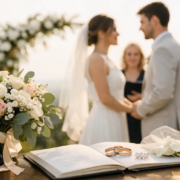
Seattle Elopement Packages That Feel Personal

A lot of couples start searching for seattle elopement packages when what they really want is relief. Relief from giant guest lists, pressure from other people, and the feeling that their wedding day has somehow turned into a production. If that sounds familiar, an elopement may be exactly the right fit – not because it is smaller, but because it can be more honest.

In Seattle, elopements come in all shapes and sizes. Some couples want a simple legal signing with just the two of them. Others want an intimate ceremony at a waterfront park, a handful of guests, personalized vows, and a few quiet moments that still feel deeply meaningful. Both are elopements. Both count. The key is finding a package that matches your relationship, your priorities, and your stress level.

What Seattle elopement packages should actually include

The phrase sounds straightforward, but packages vary more than most couples expect. One officiant may offer a short legal ceremony with signing only, while another includes planning support, custom ceremony writing, vow guidance, location flexibility, and coordination around timing and guests. That difference matters.

At the most basic level, Seattle elopement packages should cover the legal essentials. You need an officiant authorized to perform the ceremony in Washington, the ceremony itself, and proper completion of the marriage license paperwork. If a package does only that, it may be perfect for couples who want speed, simplicity, and no extra decisions.

But many couples want a little more heart than a courthouse-style exchange. A stronger package often includes a personalized ceremony, a conversation about your relationship and values, help choosing the right tone, and enough flexibility to make the experience feel like your wedding instead of an appointment. That can mean secular or spiritual language, a bilingual ceremony, support for including children or family, or simply an officiant who knows how to keep things calm when emotions run high.

This is where couples sometimes discover the trade-off. Lower-cost packages are often more limited in time, customization, and location flexibility. Higher-touch packages usually cost more, but they can save stress, reduce uncertainty, and make the day feel far more personal. Neither option is wrong. It depends on whether you want the minimum required or something that feels carefully made for you.

Why personalization matters more than people expect

When couples choose an elopement, they are usually trying to simplify the day, not strip it of meaning. That is an important distinction. A short ceremony can still be moving, memorable, and specific to your relationship.

The right officiant helps you decide what kind of experience you want. Maybe you want a brief ceremony with a warm introduction and a simple vow exchange. Maybe you want to honor your cultural background, include a reading in Spanish, or create a ceremony that feels non-religious but still deeply grounded. Maybe you want to laugh a little, cry a little, and be done in 15 minutes. All of those are valid.

This is one reason generic packages can fall short. If every couple gets the same script, same pacing, and same structure, the ceremony may be efficient, but it may not feel like yours. For some couples, that is fine. For others, it becomes the one part of the day they wish had more care.

A personalized elopement package does not have to be elaborate. It just needs to reflect who you are.

Choosing between simple signing and a full elopement ceremony

Many couples are deciding between two very different versions of “small wedding.” One is essentially a legal signing with a few ceremonial words. The other is a true intimate ceremony with emotional presence, even if the guest count is tiny.

If your main priority is getting legally married quickly, a signing package may be the best fit. It is efficient, affordable, and ideal for couples planning on short notice or keeping things very private. This can also work well if you are having a larger celebration later and only need the legal part now.

If you want the moment itself to feel special, look for Seattle elopement packages that allow room for personalization. You may still keep things short and simple, but you will have space for intentional vows, meaningful wording, and a ceremony flow that does not feel rushed.

There is no prize for doing more than you want. There is also no reason to make the day so minimal that it loses emotional weight. The best choice is the one that fits your actual priorities, not anyone else’s wedding expectations.

Questions worth asking before you book

Packages can look similar on the surface, so the details matter. Ask how much customization is included and whether the officiant writes original ceremony language or relies on standard scripts. Ask what happens if the weather changes, the timeline shifts, or you need to adjust the location. In Seattle, those are not dramatic hypotheticals. They are normal planning realities.

It also helps to ask how the officiant works with different ceremony styles. If you want something non-denominational, bilingual, inclusive, family-centered, or short-notice, make sure that is a true area of experience and not just a box someone checks.

Communication style matters too. Some couples want a very guided process and reassurance at every step. Others want a straightforward plan, quick responses, and no extra fuss. A package is not just what is listed on paper. It is also the level of support you receive from the first inquiry to the signed license.

Seattle-specific factors that affect elopement packages

Seattle gives couples beautiful options, but it also comes with practical considerations. Travel time, parking, permit requirements, ferry schedules, rain backup plans, and guest accessibility can all shape what kind of package makes sense.

A city park ceremony may seem easy until you realize you need a permit or a weekday time slot for privacy. A mountain or waterfront location may be stunning, but it can also mean more drive time, changing weather, and tighter ceremony timing. If your officiant is experienced across Seattle and Western Washington, they can help you think through those details before they become stress points.

This is especially helpful for couples planning from out of town or arranging something quickly. An officiant who is flexible about location, timing, and ceremony format can make the whole process feel lighter. That kind of support is often what separates a package that is merely convenient from one that is genuinely helpful.

Elopement packages and budget – what is worth paying for?

Most couples are not looking for the most expensive option. They are looking for value. That means knowing what you care about enough to invest in and what you are happy to keep simple.

If your ceremony is the emotional center of the day, it is worth paying for an officiant who listens well, writes thoughtfully, and knows how to create a grounded experience. If your focus is simply making the marriage legal with as little planning as possible, a more basic package may be the smarter use of your budget.

The hidden cost of going too bare-bones is disappointment. The hidden cost of overbuying is paying for services you never wanted. A good package should meet you in the middle. It should feel clear, fair, and aligned with what matters most to you.

For many couples, the sweet spot is a package that includes personalized ceremony planning without pushing them into a full-scale wedding model. That is often where elopements shine. You get intimacy, meaning, and flexibility without the weight of a large event.

The best package is the one that makes you feel taken care of

Planning a small wedding should not mean you get less support. In many cases, it means you need the right kind of support – someone who can keep things simple while still making them meaningful.

That is why the best Seattle elopement packages are not just a list of services. They are an experience of being guided well. You should know what is included, feel comfortable asking questions, and trust that your officiant understands both the legal details and the emotional stakes.

At Forever, Together, that often means helping couples shape a ceremony that feels calm, personal, and true to them, whether they are planning months ahead or calling on a short timeline. That kind of flexibility matters when real life does not follow a wedding checklist.

Your elopement does not need to impress a room full of people. It just needs to feel right when you look at each other and say yes. Start there, and the right package becomes much easier to recognize.

Short Notice Wedding Ceremony Tips

One week. Three days. Sometimes even tomorrow. A short notice wedding ceremony can sound like chaos from the outside, but in real life, it is often one of the clearest, most heartfelt decisions a couple makes. Maybe you are working around military leave, family health concerns, travel schedules, immigration timing, or the simple realization that a long engagement just does not fit your life. Whatever brought you here, the good news is this – you do not need months of planning to have a ceremony that feels meaningful.

What you do need is a calm process, the right priorities, and an officiant who knows how to make the legal pieces and the emotional pieces work together.

What makes a short notice wedding ceremony work

The biggest misconception is that fast means rushed in every sense. It can, of course, if you are trying to recreate a 200-guest ballroom wedding in four days. But if you focus on the ceremony itself, a short timeline can actually strip away a lot of noise.

Couples planning quickly are often surprisingly decisive. They already know they want to get married. They are less interested in performing for a crowd and more interested in creating a moment that feels true to them. That clarity matters.

A good short notice wedding ceremony starts by separating what is essential from what is optional. The essentials are straightforward: your marriage license, an officiant, the required witnesses if your state requires them, a location, and a ceremony format that fits your timeline. Everything else, from flowers to music to coordinated outfits, is there only if it helps the day feel more like you.

That is where flexibility becomes more than a convenience. It is the whole strategy.

Start with the legal side first

If you are planning a short notice wedding ceremony in Washington, the legal timeline matters more than the centerpiece color, and that is not exactly shocking. Washington has a three-day waiting period after you receive your marriage license, so if you want to marry fast, this should be your first step.

That waiting period changes the conversation. If you were hoping to get married tomorrow, you may need to adjust by a few days. If you are still within that window, it gives you time to finalize the ceremony wording, confirm your location, and decide who will be there.

This is also the moment when experienced guidance makes a difference. Couples under time pressure do not need vague advice. They need clear answers about timing, paperwork, witnesses, and what happens next. Once those basics are handled, everything starts to feel much more manageable.

Personal does not have to mean long

A lot of couples worry that if they book quickly, they will end up with a generic script and a transaction instead of a ceremony. That can happen with a cookie-cutter approach, but it does not have to.

A short ceremony can still feel deeply personal. In fact, some of the most moving ceremonies are brief because every word has a reason to be there. You can include a welcome, a short reflection on your relationship, personal vows or simple traditional vows, a ring exchange, and the pronouncement, all within ten to fifteen minutes.

If you want something even simpler, you can keep the legal signing at the center and add just a few customized touches. A favorite reading. A moment of gratitude for family. A bilingual section so everyone present feels included. A quick story about how you met. Small details carry a lot of weight when the ceremony is intentionally designed.

This is often the sweet spot for a short notice wedding ceremony – short in length, not short on meaning.

Choosing the right location on a tight timeline

Seattle and Western Washington give couples a lot to work with, especially if they are open to smaller gatherings. Parks, private homes, waterfront spots, courthouses, rental spaces, and quiet outdoor locations can all work beautifully. The best choice depends on your guest count, weather comfort level, privacy needs, and how quickly you need to lock things in.

Outdoor ceremonies can be gorgeous and simple, but they do come with the usual local plot twist: weather. If your wedding date is close, it helps to think in layers. Have a beautiful outdoor plan if that is your dream, but also have a backup that does not require a dramatic group text five minutes before the ceremony.

For some couples, a living room ceremony or backyard wedding ends up being the perfect answer. It removes travel stress, keeps the atmosphere intimate, and lets everyone relax. For others, an elopement-style setting with just the two of you and a couple of witnesses feels exactly right. There is no prize for making this harder than it needs to be.

Who should be there?

This is one of the hardest parts of planning quickly, especially if family expectations are involved. A short timeline can make guest decisions feel more emotionally loaded because there is less time to explain, negotiate, or smooth things over.

The helpful question is not, who might be offended? It is, what kind of experience do we want to have when we say these vows?

Some couples want immediate family only. Some want a few close friends. Some want no audience at all. All of those are valid. If you are choosing a very small ceremony now and a larger celebration later, that can also be a practical and thoughtful compromise.

A short notice wedding ceremony is not less real because it is small. If anything, the intimacy often makes the commitment feel more immediate and grounded.

What to prioritize when time is limited

When couples are under pressure, decision fatigue is real. That is why it helps to choose just a few things that matter most and let the rest stay simple.

Usually, the highest-value choices are your officiant, your ceremony tone, your location, and your marriage license timing. If those are solid, the day has a strong foundation. Clothing can be formal or casual. Flowers can be full-service or picked up that morning. Music can come from a speaker and still create a lovely atmosphere.

The trade-off is straightforward. If you want speed, you may need to release the idea that every single detail will be polished to perfection. But what many couples gain instead is presence. They remember how the moment felt, not whether every napkin matched.

Why the officiant matters even more in a short timeline

When there is less planning time, the officiant often becomes the steady center of the process. This is the person helping you understand the legal requirements, shape the ceremony, manage the pacing, and create a moment that feels grounded instead of thrown together.

That role is especially important if your ceremony includes blended families, same-sex couples, bilingual elements, spiritual-but-not-religious preferences, or guests with different cultural expectations. These are not problems to solve. They are parts of your story that deserve care.

An experienced officiant can help you decide what to include, what to leave out, and how to keep the ceremony true to you without adding unnecessary stress. At Forever, Together, that support is part of what makes short-notice ceremonies feel not just possible, but genuinely special.

It is okay if this was not your original plan

Some couples arrive at a short timeline with excitement. Others arrive with disappointment because their original plans changed. Maybe a venue fell through. Maybe a family situation shifted. Maybe planning a larger event started to feel more draining than joyful.

If that is you, give yourself a little room to grieve the version you imagined. Then look at what this version makes possible. More intimacy. Less performance. Faster relief. A ceremony focused on your commitment instead of a hundred competing logistics.

There is no single right way to get married. There is only the way that fits your real life, your relationship, and the moment you are in.

A short notice wedding ceremony can be elegant, emotional, funny, reverent, relaxed, or all of the above. It can happen on a bluff at sunset, in a cozy home with a handful of people, or in a simple signing followed by dinner somewhere you love. What matters is not how long it took to plan. What matters is that when the ceremony begins, it feels like the two of you are exactly where you are supposed to be.

If you are planning quickly, take a breath. Start with the legal steps, choose support you trust, and keep your focus on the heart of the day. The rest can be simpler than you think, and still be beautiful.

Need a Last Minute Wedding Officiant?

When your wedding timeline suddenly shrinks, finding a last minute wedding officiant can feel like the one detail that tips everything from exciting to overwhelming. The good news is that a short timeline does not mean your ceremony has to feel rushed, generic, or emotionally flat. With the right officiant, it can still feel thoughtful, personal, and fully yours.

Sometimes the need for speed is joyful. You landed on a date you love, family is finally in town, or you simply do not want to wait another six months to get married. Sometimes it is less glamorous. A previous officiant backed out, a courthouse appointment is unavailable, or your plans changed after a venue or travel shift. Whatever brought you here, the question is usually the same: can this still be beautiful if it all happens quickly? Yes, absolutely.

What a last minute wedding officiant should actually help with

A strong officiant does more than show up on time with a script. On a short timeline, they become part guide, part organizer, and part calming presence. That matters because wedding stress is rarely about just one thing. It is about ten small things happening at once, all while you are trying to stay present for a major life moment.

A good last minute wedding officiant helps you sort through the practical pieces fast. They can explain ceremony options clearly, confirm what is legally required in Washington, talk through timing, and help you decide how simple or personalized you want the ceremony to be. If you want something brief, they should be comfortable with that. If you want something that still reflects your relationship, they should know how to build meaning quickly without turning the process into homework.

That balance is the difference between a ceremony that feels efficient and one that feels thrown together. Short notice does not require low care.

How to choose a last minute wedding officiant without panicking

The first priority is availability, but availability alone is not enough. If someone can marry you tomorrow but cannot answer basic questions, communicate clearly, or adapt to your needs, that is not really solving the problem.

Start by looking for responsiveness. When timelines are tight, slow communication is a real issue. You want an officiant who answers quickly, gives direct information, and can tell you right away what they need from you. If every response is vague or delayed, that is usually a sign the process will stay stressful.

Next, pay attention to flexibility. Some couples need a simple legal signing with just a few words and signatures. Others want a small ceremony with family, personal vows, and a little breathing room for emotion. Some need bilingual support. Some want secular language. Some want to include children, parents, or cultural traditions. A last-minute booking works best when the officiant can meet you where you are instead of forcing you into one rigid format.

Finally, ask about experience with short-notice weddings specifically. There is a big difference between being generally available and being truly prepared for fast-moving planning. An experienced officiant knows how to gather the right details quickly, make efficient recommendations, and keep the ceremony grounded even when the lead-up has been hectic.

You do not have to settle for a generic ceremony

This is where many couples get discouraged. They assume that because the booking is last minute, the ceremony will be bare-bones and impersonal. Sometimes that is exactly what a couple wants, and that is perfectly fine. A short legal ceremony can be intimate, sweet, and completely right.

But if you want more than a signature moment, that is still possible. Personalization does not have to mean weeks of writing and multiple planning calls. It can be as simple as choosing the tone you want, sharing a few details about your relationship, deciding whether to exchange personal vows, and including one or two meaningful touches that reflect who you are.

That might mean a warm secular ceremony that feels relaxed and sincere. It might mean honoring faith without making the ceremony heavily religious. It might mean blending English and Spanish so more loved ones feel included. It might mean creating a ceremony that feels welcoming for a mixed family or a same-sex couple who want language that reflects them naturally. Personal does not have to be complicated. It just has to be intentional.

What to have ready before you reach out

If you are trying to book quickly, a little preparation helps a lot. You do not need a full wedding binder. You just need the core details that allow an officiant to say yes, suggest options, and move things forward.

Be ready with your date, time, location, and approximate guest count. If the location is still flexible, say that. Sometimes a couple has a city in mind but not an exact venue, and that is helpful to know because it opens up more possibilities.

Also be clear about the kind of ceremony you want. If you are not sure, you can say that too. A lot of couples know what they do not want before they know what they do want. Maybe you want something short but not cold. Maybe you want simple and non-denominational. Maybe you want heartfelt but not overly formal. Those details give an officiant a much better starting point than just saying, we need someone fast.

And yes, make sure you understand the marriage license timing in Washington. The officiant can perform the ceremony, but the legal paperwork still matters. If your timeline is truly tight, ask early so there are no surprises.

Seattle and Western Washington weddings often need extra flexibility

Short-notice weddings in this region come with their own quirks. Ferry schedules, traffic, weather shifts, mountain passes, public park rules, and venue logistics can all affect the day more than couples expect. That does not mean your plan is too difficult. It just means experience matters.

An officiant serving Seattle and Western Washington should be comfortable with a range of settings, from private homes and parks to waterfront elopements, restaurants, rental venues, and backyard ceremonies. They should also be realistic about travel time, arrival windows, and backup options if the weather changes its mind, which, around here, it often does.

This is one reason many couples appreciate working with someone local. A nearby officiant can often move faster, adapt more easily, and offer practical guidance that saves time. Forever, Together works with many couples in exactly this situation, helping them create ceremonies that feel personal even when the planning window is very short.

When a fast ceremony is the right ceremony

There is a lot of pressure in wedding culture to believe that more planning always means more meaning. That is not true. Some couples know what they want right away. Some have already done the emotional work and simply want a calm, heartfelt ceremony without a long production around it.

A last-minute wedding can feel surprisingly clear. Without months of extra noise, you may find yourselves focusing on the part that actually matters most – standing together and making promises you mean. For many couples, that simplicity feels like a relief.

Of course, there are trade-offs. Your first-choice time may not be available. Your guest list may stay small. Custom extras may need to remain simple. But those limits do not automatically reduce the value of the experience. Often they sharpen it.

The best last minute wedding officiant brings calm, not chaos

If you are booking close to the date, you do not need more pressure. You need someone who can say, yes, this is doable, and here is the easiest path forward. You need clear communication, honest expectations, and a ceremony that fits your timeline without losing its heart.

That is what couples should expect from a professional officiant on short notice. Not judgment. Not unnecessary complexity. Not a cookie-cutter script dropped into an already stressful week. Just steady support, practical guidance, and a ceremony that feels like the two of you.

So if your wedding is coming up fast, take a breath. A short timeline does not mean you missed your chance to have a meaningful moment. With the right officiant, it can still be joyful, relaxed, and deeply personal – exactly the kind of start a marriage deserves.

Choosing a Same Sex Wedding Officiant

Some couples know exactly what they want the moment they start planning. Others know what they do not want – a stiff script, awkward language, or a ceremony that treats their relationship like it needs a footnote. If you are looking for a same sex wedding officiant, that distinction matters. The right officiant does more than show up with a license and a microphone. They help create a ceremony that feels natural, affirming, and completely yours.

For many couples, the ceremony is the emotional center of the wedding day. It is the part everyone remembers – not because it was flashy, but because it felt real. That is especially true for couples who have spent years building a life together and want their wedding to reflect that history with honesty, warmth, and joy.

What a same sex wedding officiant should actually bring

At the most basic level, an officiant needs to be legally able to perform your wedding. That part is easy. The more meaningful question is whether they know how to hold space for your relationship without defaulting to outdated assumptions.

A great same sex wedding officiant understands that inclusion is not a marketing line. It shows up in the way they ask questions, the way they write about your story, and the way they guide family dynamics without making you do all the emotional labor. You should not have to translate your own relationship into language that feels acceptable to someone else.

This also means avoiding cookie-cutter ceremony writing. Many couples want help choosing vows, deciding whether to include parents, honoring children, blending spiritual and secular elements, or finding wording that feels romantic without sounding overly formal. An experienced officiant should be able to guide those choices calmly, not hand you a generic script and wish you luck.

Signs you have found the right fit

Comfort matters more than couples sometimes realize. If your first conversation feels tense, overly salesy, or strangely impersonal, that feeling usually does not improve later.

The right officiant will make you feel seen quickly. They will ask about your names and pronouns without making it awkward. They will be open to hearing how you met, what matters to you, and what kind of tone you want the ceremony to have. Maybe you want heartfelt and classic. Maybe you want light humor and a short ceremony by the water. Maybe you want a bilingual celebration with family participating from different traditions. A good officiant listens before they suggest.

They should also be clear about process. Couples are often juggling venues, timelines, guest counts, family opinions, and a group text that has somehow turned into a part-time job. An officiant who can explain what happens next, what decisions need to be made, and what can stay flexible is worth their weight in cake.

The language test

One of the simplest ways to evaluate an officiant is to pay attention to their language. Do they automatically talk about a bride and groom, then backtrack? Do they sound practiced in a way that feels inclusive, or careful in a way that feels unfamiliar?

There is a difference between someone who accepts same-sex weddings and someone who is genuinely fluent in them. That fluency shows up in small moments. It is in how they discuss processional options, how they describe your partnership, and how naturally they write a ceremony that sounds like it belongs to you.

Questions worth asking before you book

You do not need to turn your consultation into an interrogation, but a few direct questions can save a lot of stress later.

Ask how they personalize ceremonies. Some officiants customize lightly, while others build the ceremony around your story, values, and preferred tone. Neither approach is automatically wrong, but you should know what you are getting.

Ask how they handle family sensitivities. This comes up often in same-sex weddings, especially when relatives are supportive but still adjusting, or when support is uneven. A seasoned officiant can help you create wording that protects your joy without escalating tension.

Ask whether they are comfortable with religious, secular, spiritual, or mixed-format ceremonies. Many couples want something that honors faith or culture without feeling restrictive. Others want a completely non-religious ceremony that still feels meaningful. The best officiants know how to work in that middle ground.

And ask what happens if your plans shift. Seattle and Western Washington weddings often involve weather backups, ferry timing, mountain traffic, and the occasional need to move everything ten feet to the left because the wind has opinions. Flexibility is not a bonus. It is part of the job.

Personalization matters more than tradition

There is no single right way to structure a wedding ceremony, and same-sex couples often have more freedom to build a format that fits instead of following expectations that never made sense to begin with.

That can be a gift. It can also create decision fatigue.

Without rigid roles, couples get to choose what feels right. Who walks in first? Do both partners process with parents? Do you want attendants standing up front, or should everyone be seated to keep the focus on the ceremony? Are you exchanging vows privately before the ceremony and keeping the public wording short? Do you want to include a reading, a ring warming, a unity ritual, or nothing extra at all?

A thoughtful officiant helps you sort through those choices without making it complicated. They know when to offer ideas and when to simplify. They also know that a short ceremony can still be deeply personal. Sometimes the most moving ceremonies are the ones that say exactly what they need to say and then get out of the way.

If family dynamics are part of the picture

This is where experience really counts. Not every same-sex couple is dealing with family stress, but plenty are navigating different levels of support, religious tension, estrangement, or simply relatives who mean well and still say odd things at terrible times.

Your officiant cannot solve every family issue, but they can help create a ceremony that feels grounded and respectful. That might mean choosing inclusive wording about community and support. It might mean carefully deciding who is acknowledged by name. It might mean keeping the ceremony centered on the two of you instead of trying to make everyone else comfortable.

You deserve a wedding ceremony that does not ask you to shrink for the sake of peace.

Short, large, formal, casual – it all depends on your day

Some couples picture an intimate elopement at a scenic overlook with just a witness or two. Others want a full wedding with guests, personal vows, music cues, and a ceremony that feels polished but never stiff. A same sex wedding officiant should be comfortable across that whole range.

This is especially important if your plans are still evolving. You may begin by thinking you want something simple, then realize you want to include your kids. Or you may start with a larger wedding and decide halfway through planning that an elopement sounds a lot more fun and a lot less expensive. A flexible officiant makes those pivots easier.

In the Seattle area, that flexibility often includes location logistics, variable weather, and short-notice planning. Some couples are booking well in advance. Others are pulling things together in a few weeks and need someone who can step in, guide the process, and keep it calm.

Why experience still matters

Wedding ceremonies look easy when they are done well. That is usually a sign that a lot of care happened behind the scenes.

An experienced officiant knows how to read a crowd, steady nerves, manage pacing, project without shouting, and adjust when something unexpected happens. They know how to keep a ceremony warm and personal without wandering off course. They know how to make space for laughter and emotion without turning either into a performance.

They also know that your ceremony is not about proving anything. It is about marking your commitment in a way that feels true to your relationship.

For couples in Seattle and Western Washington, working with an officiant who is inclusive, organized, and genuinely invested in your experience can make the ceremony feel like the easiest part of planning. That is a big deal. At Forever, Together, that is exactly the goal – helping couples create a ceremony that feels personal, joyful, and far less stressful than they expected.

When you meet the right officiant, you usually feel it. The conversation gets easier. The ceremony starts to take shape. And instead of worrying about whether they will get it right, you can start looking forward to hearing your story told the way it deserves to be told.

How to Choose an Elopement Officiant Seattle

Seattle elopements have a way of cutting through the noise. Maybe you want the sound of water at the shoreline, a quiet overlook in the trees, or a simple city ceremony with just the two of you and a couple of witnesses. Whatever your version looks like, choosing the right elopement officiant Seattle couples rely on can shape the entire experience. The right officiant does more than show up with a script. They help create a moment that feels calm, personal, and very much like you.

If you are planning something intimate, there is a good chance you are trying to avoid unnecessary stress, not add to it. That is why the officiant matters so much. In an elopement, there are fewer moving parts, which means every part carries more weight. Your officiant is not background detail. They are often the person setting the tone, guiding the ceremony, handling the legal pieces, and helping you stay present instead of worried about what comes next.

What an elopement officiant in Seattle actually does

A lot of couples start with the same assumption: if the ceremony is small, the officiant’s role must be simple. Sometimes it is simple, but simple does not mean generic.

A good elopement officiant helps with the legal marriage ceremony, of course, but they also help you decide how the ceremony should feel. That could mean writing something short and sweet, creating a more emotional personalized ceremony, blending cultural traditions, including a child or parent, or offering a bilingual format so everyone feels included. For some couples, the ceremony lasts five minutes. For others, it becomes the heart of the day.

Seattle couples often want flexibility, and for good reason. Weather changes. Ferry schedules run late. Families fly in at the last minute. Some couples want to exchange private vows before the legal ceremony. Others want to keep things very simple and just make it official with warmth and care. An experienced officiant knows how to adapt without making it feel chaotic.

Why Seattle elopements need a flexible officiant

Seattle is beautiful, but it is not predictable. That is part of the charm until you are dressed for your ceremony and watching the forecast shift by the hour.

An elopement officiant in Seattle should be comfortable with outdoor ceremonies, backup plans, uneven ground, public parks, private homes, rooftop spaces, waterfront locations, and short-notice changes. They should also understand the mood couples are usually after here. Seattle elopements tend to be intentional rather than flashy. Even when they are elegant, they are often rooted in authenticity and ease.

That means your officiant should not force a one-size-fits-all ceremony onto a day that is supposed to feel personal. They should know when to keep things brief, when to add depth, and when to step in with guidance because you are not sure what you want yet. That last part matters more than people think. Plenty of couples know what they do not want, but need help discovering what will feel right.

How to tell if an elopement officiant Seattle couples love is right for you

The easiest way to tell is this: after talking with them, do you feel more relaxed or more confused?

A strong officiant brings clarity. They should be able to explain the process in plain English, walk you through what is legally required in Washington, and help you understand your ceremony options without making you feel pushed into anything. If you are planning quickly, they should also be honest about what can be done on short notice.

Personality fit matters too. Your officiant will be standing with you during a very intimate moment. You want someone warm, steady, and easy to talk to. If humor feels natural to you, your ceremony can have humor. If you want something deeply heartfelt and low-key, that should be possible too. The goal is not to perform someone else’s version of romance. The goal is to create a ceremony that sounds like your relationship.

It also helps to ask whether they offer custom writing or rely mostly on prewritten scripts. There is nothing wrong with keeping things concise, but even a short ceremony can feel personal when it reflects your story, values, or the reason you chose to elope in the first place.

Questions worth asking before you book

Some questions are practical, and some are about emotional fit. You need both.

Ask how they handle the marriage license signing and filing guidance. Ask whether they are available for your preferred location and time, and what happens if weather or timing shifts. Ask if they can perform non-denominational, secular, spiritual, religious, or bilingual ceremonies, depending on what you need.

Then ask the questions couples sometimes skip. Can you personalize the ceremony? Can you include family members, children, or a reading if you want to? Can they help if you are not sure what kind of ceremony fits you yet? If one or both of you are nervous about speaking in front of others, can they help the ceremony feel easy and natural?

Those answers tell you a lot. A capable officiant is not just checking boxes. They are helping remove friction from a moment that should feel joyful.

Short ceremony or customized elopement?

This is where it depends.

Some couples want a legal-only signing with a few meaningful words. Others want a full custom ceremony in a smaller setting. Neither choice is more romantic or more valid. It comes down to what matters most to you.

If your priority is simplicity, a short ceremony can be perfect. It keeps the focus on the commitment without requiring a lot of planning. If your priority is emotional meaning, then a custom elopement ceremony may be worth the extra thought. You can still keep it intimate while making room for personal vows, a ring exchange, a reading, or a few details about your story.

Many couples land somewhere in the middle. They want something brief, but not bare. That is often the sweet spot. A ceremony can be efficient and still feel deeply personal.

Personalization matters more in small ceremonies

Large weddings have décor, music, timelines, and guest energy filling the room. Elopements do not have those same layers, which is exactly why the ceremony itself matters more.

In a smaller setting, every word lands differently. If the ceremony sounds flat or generic, you notice. If it sounds real, you feel it.

That is especially true for couples blending traditions, navigating family sensitivities, or choosing an elopement because they want less pressure and more meaning. A personalized officiant can help you honor your relationship without turning the ceremony into something stiff or overly formal. They can also help if you want to include faith elements, keep things fully secular, or create a bilingual ceremony that welcomes everyone present.

For many couples, this is the first time wedding planning feels manageable. That is not a small thing. The right support can make the ceremony the most grounded part of the day.

What couples often overlook when hiring an officiant

They focus on availability and price, then forget to ask how the experience will actually feel.

Of course budget matters. Of course timing matters. But with elopements, the emotional experience matters just as much. You are choosing someone who will guide one of the most memorable moments of your life. Reliability, warmth, responsiveness, and adaptability are not extras. They are the service.

Couples also sometimes overlook inclusivity. If your relationship, family structure, cultural background, or ceremony preferences fall outside the standard wedding template, you deserve an officiant who welcomes that naturally. Not as a special exception. Just as part of serving real couples with care.

That is one reason many Seattle couples look for an officiant who can meet them where they are, whether that means a same-sex wedding, a bilingual ceremony, a very private elopement, or a celebration planned on a tight timeline. At Forever, Together, that kind of flexibility is part of the point.

The best choice is the one that feels like support

When you are searching for an elopement officiant Seattle offers, you are not just hiring someone to speak for a few minutes. You are choosing the person who helps turn a plan into a real, lived moment.

The best officiant is not necessarily the one with the flashiest pitch. It is the one who listens well, explains clearly, adapts easily, and helps you feel taken care of. On a day that is meant to be intimate and meaningful, that kind of support goes a long way.

Your elopement does not need to be big to be unforgettable. It just needs to feel honest, cared for, and completely yours.

How to Choose a Bilingual Wedding Officiant Seattle

A bilingual ceremony can be one of the most moving parts of your wedding day – and one of the easiest places for stress to sneak in if it is not handled well. If you are searching for a bilingual wedding officiant Seattle couples can truly rely on, you are probably not just looking for someone who speaks two languages. You are looking for someone who can help both of your families feel included, respected, and fully part of the moment.

That distinction matters more than most couples realize at first.

A wedding ceremony is not a translation exercise. It is a shared experience. When one partner speaks English, the other has Spanish-speaking relatives, or both families move between languages naturally, the officiant has to do more than alternate words line by line. They need to manage rhythm, emotion, clarity, and timing so the ceremony still feels warm and connected instead of long, repetitive, or awkward.

What a bilingual wedding officiant in Seattle should actually do

The right officiant helps you create a ceremony that sounds like you, not like a generic script copied into two languages. That means learning how you want the ceremony to feel, who needs language support, and which parts should be spoken in English, Spanish, or both.

For some couples, that means a fully bilingual ceremony where the welcome, vows, ring exchange, and pronouncement are all presented in both languages. For others, a better fit is a mostly English ceremony with Spanish woven into key moments so grandparents, parents, or extended family feel included. Sometimes the opposite is true. There is no single correct format.

A strong bilingual officiant also helps with practical choices that affect the flow of the ceremony. Do you want every section repeated in both languages? Would that make the ceremony feel too long? Should certain readings stay in their original language for emotional impact? Would your guests be more comfortable with short summaries rather than full repetition? These are not small details. They shape how the ceremony lands in real time.

Why bilingual ceremonies matter beyond translation

When families come from different linguistic or cultural backgrounds, weddings can carry extra emotional weight. People want to feel welcomed. They want to understand what is happening. They want to hear their language spoken with care, not treated like an afterthought.

That is why choosing a bilingual wedding officiant in Seattle is often about family connection as much as language. A well-crafted bilingual ceremony can lower tension, bridge cultural gaps, and make the day feel more generous. Guests are not left guessing. No one feels sidelined. The ceremony says, clearly, you all belong here.

There is also a practical side. Seattle and Western Washington weddings are often beautifully mixed in style and background. Couples may be blending secular and religious elements, formal traditions and modern preferences, or two family cultures with different expectations around what a ceremony should include. A bilingual officiant who understands customization can help you honor those differences without making the ceremony feel crowded or conflicted.

How to tell if an officiant is the right fit

Language ability is the starting point, not the finish line.

You want to know whether the officiant is comfortable leading a live ceremony in both languages, not simply reading a script. There is a big difference. Weddings are full of tiny shifts – nerves, laughter, tears, unexpected pauses, a ring that takes a second to find, a grandparent who needs a little extra time. An officiant has to respond naturally in the moment and keep everyone grounded.

It also helps to ask how they build bilingual ceremonies. Some officiants rely on a standard format and simply switch languages. Others personalize the structure based on your guest list, your priorities, and the balance you want between brevity and inclusivity. If a ceremony is deeply personal to you, that second approach usually creates a much better result.

Tone matters too. A bilingual ceremony should still sound like one voice. If the English feels warm and natural but the Spanish feels stiff, or the reverse, guests will notice. The best officiants know how to keep the emotional tone consistent across both languages.

Questions worth asking a bilingual wedding officiant Seattle couples are considering

The easiest way to avoid disappointment is to ask direct questions early. Ask whether they regularly officiate bilingual weddings, which languages they offer, and how they usually structure ceremonies for mixed-language guest groups. Ask whether they can customize the wording rather than using the same script every time.

You should also ask how they handle pronunciation of names, family roles, and cultural references. This sounds basic, but it matters. A personalized ceremony loses some of its heart when important names or phrases are rushed or mispronounced.

Another good question is how they help with ceremony length. Bilingual weddings can run longer by nature, but they should not feel draggy. An experienced officiant can help you decide where full bilingual delivery adds value and where a shorter approach may serve the moment better.

And if you are planning on short notice, ask that too. Not every officiant has flexibility for quick turnarounds, but some do. If your timeline is tight, it is better to know right away whether they can still offer a thoughtful, customized ceremony rather than something rushed.

Different bilingual ceremony styles can all work

One of the biggest reliefs for couples is realizing they do not have to do this in one prescribed way.

A fully bilingual ceremony can be beautiful when both families are equally split by language and you want everyone to hear every major moment. A partial bilingual ceremony often works well when most guests share one language but key family members speak another. A third option is to keep the ceremony mostly in one language while including readings, blessings, or vows in the other.

It depends on your crowd, your priorities, and your tolerance for ceremony length. If you are planning a large traditional wedding, a fuller bilingual format may feel worth it. If you are having an intimate elopement or micro wedding, shorter and more selective language integration may feel more natural. Neither choice is less meaningful.

The goal is not to prove how bilingual your wedding is. The goal is to make the ceremony feel sincere, inclusive, and easy to follow.

Customization matters even more in bilingual weddings

Generic ceremonies fall flat faster when two languages are involved. Repetition makes every weak line more obvious. That is why personalization matters so much here.

A good officiant will help you think through the pieces that make the ceremony yours: your story, your values, your family dynamics, your preferred tone, and any traditions you want to include or leave out. Maybe you want something romantic but not overly formal. Maybe you want light humor without losing the emotional weight. Maybe you want to honor religious roots while keeping the ceremony non-denominational. All of that can be done with care.

This is where an experienced service makes a real difference. At Forever, Together, bilingual ceremonies are treated as personal celebrations, not language add-ons. That means the ceremony can be shaped around your relationship and your guests rather than forced into a rigid template.

Seattle couples often need flexibility, not just polish

Weddings around Seattle rarely fit one mold. Some happen in parks, backyards, waterfront venues, private homes, or mountain settings. Some are planned a year out. Some come together in a matter of days. Some include ten guests. Others bring together several generations with very different expectations.

A bilingual officiant should be able to meet that reality with calm, not complication. Maybe you need help balancing cultural inclusion with a short ceremony timeline. Maybe you are coordinating relatives traveling from abroad. Maybe you want something simple and heartfelt without turning the planning process into a second job.

That is where flexibility becomes part of the service, not an extra. Couples often do best with an officiant who can adapt the ceremony to the setting, the family mix, and the energy of the day while still keeping the legal and emotional essentials clear.

The best choice feels supportive from the start

When you talk with the right officiant, you should feel more at ease, not more overwhelmed. You should come away with a clearer sense of your options, a better understanding of what will work for your guests, and confidence that your ceremony can reflect both your relationship and your families.

That is really what couples are looking for when they search for a bilingual wedding officiant Seattle service. Yes, language matters. But what matters just as much is having someone who can guide the process, reduce the stress, and create a ceremony where everyone feels seen.

Your wedding ceremony does not have to choose between personal and practical, or between meaningful and easy to follow. With the right support, it can be all of those things at once – and that is often what makes it unforgettable.

How to Choose a Seattle Wedding Officiant

If you are looking for a Seattle wedding officiant, you are not just hiring someone to stand up front and read a script. You are choosing the person who will guide one of the most personal moments of your day. That matters more than many couples expect at first, especially once the flowers, timelines, family opinions, and weather forecasts start competing for attention.

A great officiant does two jobs at once. They handle the legal and logistical side so nothing gets missed, and they shape a ceremony that actually sounds like you. When those two things come together, the ceremony stops feeling like the box you check before the celebration and starts feeling like the reason everyone is there.

What a Seattle wedding officiant should actually do

Some couples assume all officiants offer basically the same service. In reality, there is a big difference between someone who simply performs weddings and someone who helps create a ceremony with intention.

A strong officiant should make the process easier, not more confusing. That includes explaining the marriage license process, helping you think through ceremony structure, asking good questions about your relationship, and adjusting the tone to fit your day. Maybe you want something short and simple. Maybe you want a warm, story-driven ceremony with personal vows, family involvement, a unity ritual, or bilingual elements. A good officiant can meet you where you are instead of pushing you into one style.

This is especially important in Seattle and Western Washington, where weddings come in every format imaginable. One weekend might be a rooftop celebration downtown, the next a forest elopement, then a backyard ceremony in Snohomish County or a waterfront gathering in Bellingham. Your officiant should be comfortable with that variety and calm when plans shift.

The best Seattle wedding officiant for you may not be the most traditional

For some couples, tradition is central. For others, it is something to borrow from selectively. Most fall somewhere in the middle.

That is why fit matters more than formality. A couple planning a non-denominational ceremony may want a heartfelt tone without anything overly religious. Another couple may want spiritual language but not a full church format. Some want to honor multiple cultural backgrounds. Some want a same-sex wedding ceremony that feels fully affirming without awkward assumptions built into the wording. Some just want a short legal signing with zero extra fuss.

None of those choices are more valid than another. The key is finding an officiant who understands that a ceremony is not supposed to be generic. It should reflect your values, your people, and the way you want to begin married life.

Questions to ask before booking

You do not need to turn the search into an interview marathon, but a few smart questions can save you stress later.

Start by asking how personalized the ceremony will be. Some officiants use a mostly fixed template with a few small edits. Others build the ceremony around your relationship, preferences, and comfort level. If personalization matters to you, ask what that process looks like and how much input you will have.

Ask about flexibility too. Can they perform religious, secular, spiritual, and non-denominational ceremonies? Are they comfortable with bilingual weddings or Spanish-language elements? Can they handle an elopement, a short-notice wedding, or a ceremony with just the couple and two witnesses? Couples often discover they need more flexibility than they expected once family travel, venue rules, or scheduling realities kick in.

You should also ask practical questions. What areas do they serve? What happens if the timeline changes? How early do they arrive? Will they help with the rehearsal if needed? Do they guide vow writing? What is included in the fee? A warm personality is wonderful, but reliability matters just as much.

Ceremony style matters more than people think

When couples talk about wedding vendors, the ceremony sometimes gets less attention than the photos, food, or music. Then the wedding day arrives, and everyone realizes the ceremony sets the emotional tone for the entire event.

An experienced officiant knows how to read the room and shape that tone. A ceremony can be romantic without becoming stiff. It can be funny without turning into a stand-up routine. It can be brief without feeling rushed. It can include family, children, cultural traditions, or personal stories without becoming cluttered.

That balance is hard to fake. It comes from experience, careful preparation, and a real understanding of people. If your officiant gets that balance right, guests stay present. More importantly, you stay present.

Why customization is worth it

Personalized ceremony design sounds like a luxury until you realize how much pressure it removes. Couples often come in with a rough sense of what they do not want. They do not want a ceremony that feels cold, preachy, generic, or painfully long. They may not know what they do want yet.

That is where guidance matters. A thoughtful officiant helps you sort through options without making the process feel like homework. You can decide how formal or relaxed the ceremony should be, whether to include vows, whether to mention how you met, whether to involve parents or friends, and whether to include readings, rituals, or cultural touches.

The result is not just a prettier script. It is a ceremony that feels grounded in your relationship. Couples are often surprised by how much that changes the day. When the words feel true, people listen differently.

Seattle weddings often need flexibility

A Seattle wedding officiant should be ready for real life, not just ideal conditions. In this region, weather shifts fast, ferry timing can get weird, traffic has opinions, and outdoor ceremonies sometimes need a backup plan with about ten minutes’ notice.

That is one reason flexibility is not just a nice extra. It is part of good service. If you are planning a mountaintop elopement, a courthouse-area signing, a restaurant buyout, or a backyard ceremony with limited setup time, you want someone who can adapt without creating more stress.

This matters even more for short-notice weddings. Sometimes couples are planning around military leave, family health concerns, immigration timelines, travel schedules, or a date that suddenly opens up at the venue they love. You do not need an officiant who acts like your timeline is a problem. You need one who knows how to move things forward calmly and clearly.

Bilingual and inclusive ceremonies should feel natural

If your ceremony includes more than one language, more than one faith background, or family members with different expectations, the right officiant can make everyone feel more at ease.

That does not mean trying to please every person in the room. It means creating a ceremony where your relationship stays at the center while important parts of your background are honored with care. Bilingual ceremonies, in particular, require more than direct translation. They need rhythm, warmth, and thoughtful transitions so both languages feel genuinely included.

Inclusivity matters just as much in every other way. Couples should not have to brace for awkward wording, outdated assumptions, or a ceremony that sounds like it was written for someone else. You want language that fits your relationship, full stop.

Price matters, but value matters more

Budget is real. Weddings in the Seattle area add up quickly, and many couples are trying to make thoughtful decisions without overspending.

Still, the lowest-priced officiant is not always the best value. If someone charges very little but gives you a generic script, minimal communication, and no support when plans change, the savings may not feel worth it. On the other hand, a reasonably priced officiant who offers customization, clear communication, and genuine care can make the entire planning process easier.

That is often the difference couples remember later. Not whether the officiant was the cheapest option, but whether they felt supported.

What the right fit feels like

When you find the right officiant, the conversation usually feels easier. You are not trying to convince them of what matters to you. You are not translating your relationship into a template that does not fit. You feel heard, guided, and a little more relaxed than you did before the call.

That is the real goal. Your ceremony should feel personal, your planning process should feel manageable, and your officiant should bring both confidence and calm to the day. At Forever, Together, that is exactly how we approach it.

You do not need a perfect wedding to have a meaningful ceremony. You just need the right person helping you create a moment that feels honest, joyful, and fully yours.

Choosing a Non Denominational Wedding Officiant

The moment a couple says, “We want the ceremony to feel like us,” they are usually looking for more than someone to show up with a script and sign the license. They are looking for a non denominational wedding officiant who can create a ceremony that feels personal, welcoming, and grounded in what matters most to them.

That matters more than many couples expect. The ceremony is the emotional center of the wedding day. It sets the tone, brings people into the moment, and turns a beautiful gathering into an actual marriage ceremony with heart. If you want something meaningful without being tied to one religious tradition, choosing the right officiant can make planning feel lighter and the ceremony itself feel easy, sincere, and memorable.

What a non denominational wedding officiant actually does

A non denominational wedding officiant leads a ceremony that is not based on the rules, doctrine, or structure of a specific denomination. That does not automatically mean the ceremony is nonreligious. It can be fully secular, lightly spiritual, deeply faith-centered, or somewhere in between.

This is one of the biggest points of confusion for couples. “Non denominational” gives you flexibility. It creates room to honor your beliefs, your family traditions, and your comfort level without forcing the ceremony into a format that does not fit. For some couples, that means no religious language at all. For others, it means including prayer, scripture, or cultural traditions in a way that feels inclusive rather than formal or restrictive.

A good officiant is not there to plug your names into a standard template and call it personalization. They guide you through tone, wording, ceremony length, vows, participant roles, and the details that make a ceremony feel natural. They also handle the legal side with confidence, which is especially helpful if you are planning an elopement, a short signing, or a wedding on a tight timeline.

Why couples choose a non denominational wedding officiant

For many couples in Seattle and Western Washington, flexibility is the reason. Families may come from different religious backgrounds. One partner may be spiritual while the other is not. You may want a wedding that feels warm and meaningful without feeling overly formal. Or you may simply want the freedom to create a ceremony that reflects your relationship rather than someone else’s expectations.

A non denominational wedding officiant can be a strong fit for couples planning intimate weddings, same-sex weddings, bilingual ceremonies, blended-family celebrations, and short-notice events. It also works well for people who want choices. Some couples want a simple ten-minute ceremony with just the essentials. Others want a fuller experience with a welcome, story, vows, readings, ring exchange, family acknowledgment, and a joyful sendoff.

Neither approach is more valid than the other. It depends on your priorities, your people, and the kind of experience you want to create.

Personalization is where the ceremony comes alive

Most couples do not need a more complicated ceremony. They need a more honest one.

That may look like telling a little of your story without turning the ceremony into a biography. It may mean writing vows with guidance instead of staring at a blank page and panicking. It may mean finding respectful language for family members with different beliefs, or deciding how to include children, parents, or close friends in a way that feels genuine.

This is where experience really shows. An officiant who knows how to ask the right questions can help you shape a ceremony that feels balanced. Sweet, but not sugary. Thoughtful, but not stiff. Emotional, but not overwhelming.

There are trade-offs here, and they are worth acknowledging. Highly customized ceremonies usually take more collaboration than a basic script. If you want something truly tailored, you should expect some conversation and planning. The upside is that the ceremony sounds like you. The downside, if there is one, is that real personalization takes care and intention. For most couples, that is time well spent.

How to tell if an officiant is the right fit

Credentials matter, but connection matters too.

You want someone who can legally officiate your wedding in Washington, of course. You also want someone who communicates clearly, stays organized, and makes you feel calmer rather than more stressed. Planning a wedding has enough moving parts already. Your officiant should feel like one of the easiest yes decisions you make.

When you talk with a potential officiant, pay attention to how they respond to your ideas. Are they listening, or steering you toward a canned ceremony? Do they sound comfortable with different types of couples, family structures, beliefs, and wedding styles? Can they explain the process simply? Do they seem prepared for practical issues like timing, weather, venue quirks, late changes, or a ceremony that needs to be bilingual?

The best fit is often someone who combines warmth with structure. You do not just want a nice person. You want a steady professional who can guide the ceremony, hold the room, and keep things moving while still making it feel intimate.

Questions worth asking a non denominational wedding officiant

A consultation does not need to feel like an interview panel, but a few smart questions can save you stress later.

Ask how customizable the ceremony really is. Some officiants say “personalized” when they mean you can choose from three prewritten options. Others build the ceremony around your story, preferences, and priorities. That difference matters.

Ask about ceremony style. Can they do short and simple? Warm and modern? Traditional with a few religious elements? Fully secular? Bilingual or partly in Spanish? If your guest list includes multiple generations or mixed backgrounds, ask how they help make the ceremony feel inclusive for everyone in attendance.

You should also ask practical questions. How do they handle the marriage license? What is the booking process? What happens if your date changes? Can they accommodate short-notice weddings? These details may not be romantic, but they absolutely affect your peace of mind.

The Seattle factor – local flexibility matters

Weddings in Seattle and across Western Washington come with their own personality. Some couples are planning a waterfront ceremony. Others are heading into the mountains, hosting a backyard wedding, or keeping things small at a park, private home, courthouse alternative, or Airbnb. Weather can change quickly. Timelines can tighten. Guest counts can shift. Traffic can be rude for no good reason.

That is why local experience helps. An officiant who understands the region is usually better prepared for the real-life logistics that shape the ceremony experience. They know that some couples want a quick legal signing on a weekday, while others want a fully developed ceremony on a Saturday with personal vows, family participation, and a bit of humor to settle everyone’s nerves.

At Forever, Together, that flexibility is central to the work. Couples are not expected to fit one ceremony mold. The ceremony is built around who they are, what they want, and what will make the day feel meaningful without creating unnecessary stress.

Inclusive does not mean generic

This is a concern some couples have, especially if they are choosing a non denominational format because they want freedom, not vagueness.

A ceremony can be inclusive and still feel specific. It can welcome guests of different beliefs without sounding watered down. It can reflect spiritual values without centering one denomination. It can honor cultural traditions and still feel current, relaxed, and personal.

That takes thoughtful wording. It also takes emotional intelligence. If one partner’s family expects prayer and the other partner prefers a secular tone, there may be a middle path. If you want to include a cultural tradition but simplify the rest of the ceremony, that can work too. Good officiants know that weddings are rarely about just one preference. They are about helping multiple important truths live in the same moment.

The right ceremony should feel easy to stand inside

When couples picture the wedding day, they often focus on the venue, flowers, clothing, or dinner. Then the ceremony planning sneaks up on them and suddenly feels strangely high stakes. That is normal.

The right officiant helps lower the pressure. They give you structure when you need it, options when you want them, and reassurance when you are overthinking whether your ceremony is too short, too long, too serious, or not serious enough. Usually, it is none of those things. Usually, it just needs to sound true.

A non denominational wedding officiant is often the best choice for couples who want room to create something personal, inclusive, and meaningful without getting boxed into a format that does not fit. If your goal is a ceremony that feels warm, authentic, and unmistakably yours, that flexibility is not a small detail. It is the whole point.

When the ceremony fits, you can feel it right away. You are not performing someone else’s version of marriage. You are stepping into your own.

Custom Wedding Ceremonies That Feel Like You

Some couples know exactly what they want the moment they get engaged. Others know what they do not want – a stiff script, awkward pauses, or a ceremony that could belong to literally anyone. That is where custom wedding ceremonies make all the difference. They give you room to create a moment that sounds like you, fits your people, and feels good from the first welcome to the final kiss.

For many couples in Seattle and Western Washington, the ceremony is the part they care about most and the part they feel least sure how to build. The reception has a clear checklist. The ceremony is more personal, which can make it harder. The good news is that it does not need to be complicated to be meaningful.

What custom wedding ceremonies actually mean

A custom ceremony is not just a fill-in-the-blank script with your names dropped in. It is a ceremony shaped around your relationship, your comfort level, your values, and the experience you want your guests to have. For some couples, that means something short, simple, and heartfelt. For others, it means weaving in family traditions, spiritual elements, personal stories, or bilingual readings.

The key is intention. A ceremony can be five minutes or twenty-five minutes and still feel deeply personal if the words, structure, and tone fit the couple standing at the center of it.

That is also why customization is not only for large weddings. Elopements, backyard weddings, courthouse-style signings, and last-minute celebrations often benefit the most from a thoughtful ceremony. When the event is smaller, every moment carries more weight.

Why custom wedding ceremonies matter more than couples expect

A lot of people start planning with flowers, venues, and food on their minds. Fair enough – those decisions are visible, urgent, and often expensive. But the ceremony is the reason everyone gathered in the first place. It sets the emotional tone for the whole day.

When a ceremony feels generic, couples notice. Guests notice too, even if they cannot quite put their finger on why. The opposite is also true. When the ceremony sounds natural and grounded in the couple’s story, people lean in. They laugh at the right moments. They tear up when it feels honest. They remember it afterward.

A personalized ceremony also helps with nerves. If you are saying words that feel comfortable and true, you are much less likely to feel like you are performing. That matters for couples who are private, camera-shy, or just not excited about being the center of attention.

The parts you can personalize

This is where couples often feel relieved. You do not have to reinvent the wheel. You just get to choose which parts of the wheel matter to you.

The opening and welcome

The opening sets the mood right away. It can be warm and relaxed, more traditional, lightly humorous, or reflective. If you want your guests to feel included from the first sentence, this is where that starts.

Your story

Some couples love hearing a short story about how they met, what they admire in each other, or what brought them to this day. Others prefer to keep private details private. Both choices are completely valid. Personal does not have to mean public.

Readings, rituals, and cultural elements

This is often where custom wedding ceremonies become especially meaningful. You might include a poem, a family blessing, a unity ritual, a wine box ceremony, handfasting, or a tradition from your cultural background. If you are blending families, faith backgrounds, or languages, these elements can make everyone feel seen.

Vows and ring exchange

Personal vows can be beautiful, but they are not the only option. Some couples write their own. Some prefer repeating simple vows after the officiant. Some choose a mix – private letters for each other and classic vows during the ceremony. The right choice is the one you can say with confidence.

Guest participation

Sometimes a ceremony feels more intimate when guests have a role. That could mean a group blessing, a shared response, a reading from a sibling, or children being included in a simple and meaningful way. Sometimes less is better, especially if you want a calm, streamlined ceremony. It depends on your people and your priorities.

Custom wedding ceremonies do not have to be long

One of the biggest misconceptions is that personalized means longer. Not necessarily.

A short ceremony can still feel warm, memorable, and specific to your relationship. In fact, many couples want a ceremony that is concise but not cold. They want enough personality to make it meaningful, without turning the moment into a stage production.

That balance is absolutely possible. A well-crafted ten-minute ceremony often feels more powerful than a rambling twenty-minute one. Good customization is not about adding more words. It is about choosing the right ones.

How to decide what belongs in your ceremony

If you are not sure where to start, begin with how you want the ceremony to feel. Not how it should look on paper. Not what someone else did. Just how you want it to feel.

Do you want it to be romantic and emotional? Lighthearted and easy? Family-centered? Spiritual but not religious? Rooted in tradition with a modern tone? Once you know the feeling, the structure becomes much easier to build.

It also helps to think about what you want to avoid. Many couples come in with a very clear no-thank-you list: no preachy language, no awkward jokes, no deadnaming, no assumptions about gender roles, no pressure to include traditions that do not fit. That clarity is useful. It protects the ceremony from becoming a collection of other people’s expectations.

When family expectations are part of the picture

This comes up a lot, and for good reason. Weddings rarely involve only two opinions.

You may want a secular ceremony while a parent hopes for something more traditional. You may want a modern tone while grandparents expect a few familiar elements. You may be blending cultures and trying to honor both without making the ceremony feel crowded or confusing.

There is no one perfect formula. Sometimes the best solution is a thoughtful mix – keeping the core ceremony true to the couple while including one or two traditions that matter deeply to family. Other times, keeping things simple is the kindest choice for everyone. What matters is that you are making intentional decisions rather than defaulting to pressure.

A skilled officiant can help navigate that balance without turning the process into a debate team exercise. That support alone can remove a surprising amount of stress.

Bilingual and inclusive ceremonies need real care

Bilingual ceremonies are not just English text read twice. The pacing, tone, and flow matter. The goal is for both languages to feel natural and welcoming, not like one version is an afterthought.

The same goes for inclusive ceremony writing in general. Language around love, marriage, family, and identity should reflect the couple accurately and respectfully. That includes same-sex weddings, nonreligious weddings, mixed-faith couples, and families with different traditions around marriage.

When couples feel fully seen in the ceremony, they relax. When guests feel included, they connect more deeply. Those details are not small. They shape the whole experience.

Why the officiant matters as much as the script

You can have beautiful words on paper and still end up with a flat ceremony if the delivery is rushed, awkward, or impersonal. The officiant is not just there to stand in the middle and hold a script. They guide the pace, calm nerves, adjust to the setting, and help create a moment that feels grounded instead of mechanical.

That becomes even more important with outdoor weddings, small children, last-minute changes, weather surprises, and emotionally loaded family dynamics. In other words, weddings.

An experienced officiant knows when to keep things moving, when to pause, when to add warmth, and when to quietly solve a problem before anyone notices. For couples who want the ceremony to be the most meaningful part of the day and not the most stressful part, that experience matters.

A custom ceremony should feel easier, not harder

This is the part many couples do not expect. Personalized does not have to mean more work for you.

With the right guidance, custom wedding ceremonies actually reduce stress because you are not trying to force yourselves into a script that does not fit. You are making clear choices, getting support with wording and structure, and building something that reflects your relationship without overcomplicating it.

That might mean a full ceremony with stories, readings, and family participation. It might mean a quiet elopement on a weekday afternoon with just the legal essentials and a few heartfelt words. Both can be beautiful. Both can be personal. Both count.

At Forever, Together, that flexibility is the point. The ceremony should fit your life, your relationship, and your comfort level – not the other way around.

If you are planning your wedding and wondering whether a custom ceremony is worth it, the answer is usually simple: if you want the moment to feel like yours, it probably is. The best ceremonies are not the fanciest ones. They are the ones where you can look at each other, take a breath, and hear your own story in the words being said.