
How to Blend Cultural Traditions at Your Wedding
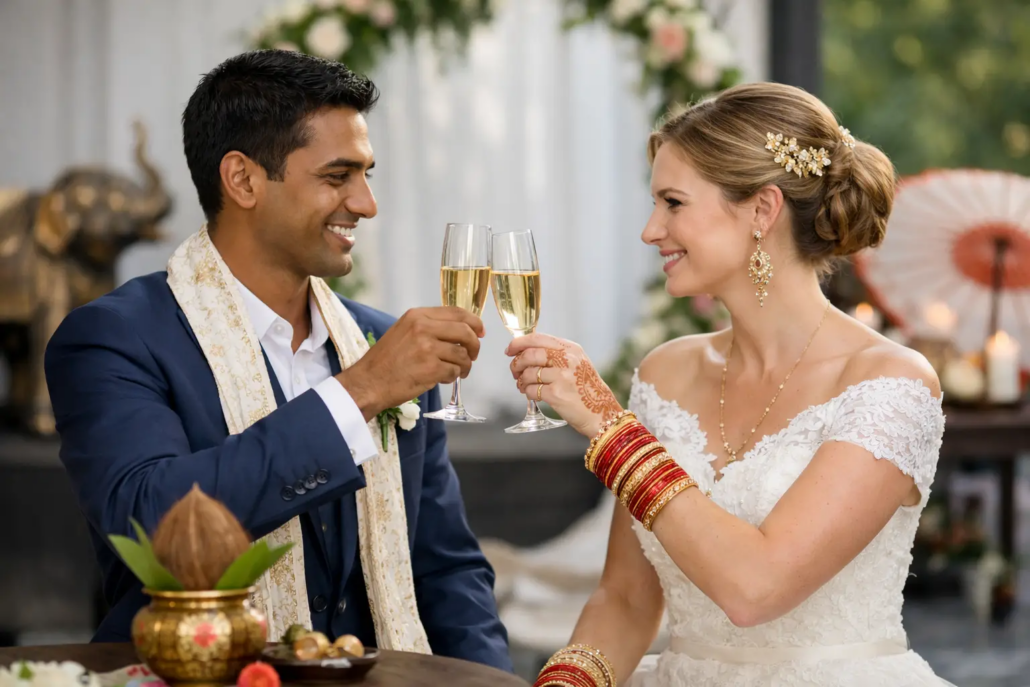
Two families can love the same couple deeply and still picture very different weddings. One may expect a tea ceremony, the other may imagine a processional, vows, and a lively reception toast. Neither vision has to lose. Learning how to blend cultural traditions starts with a simple truth: your wedding is not a test of whether you can satisfy every expectation. It is a meaningful moment to honor the people and histories that shaped you while creating a ceremony that feels like the two of you.
The best blended ceremonies feel intentional, not crowded. They make room for heritage, faith, family, language, and joy without turning the ceremony into a rushed checklist. With thoughtful choices and clear communication, you can build something that is respectful to your roots and unmistakably your own.
Start With the Meaning, Not the Schedule
Before deciding which traditions to include, talk together about what each one means. A ritual may represent a blessing from elders, the joining of two families, protection, hospitality, remembrance, or a promise of mutual care. Knowing that meaning helps you make better choices when time, logistics, or family expectations require flexibility.
For example, perhaps one partner values a handfasting because of its symbolism of partnership, while the other hopes to include a Filipino veil and cord ceremony because it reflects unity and lifelong support. These rituals can often work beautifully together because their messages complement each other. On the other hand, two customs that serve the same purpose may feel repetitive in a short ceremony. You might choose one for the ceremony and honor the other at the reception, rehearsal dinner, or family gathering.
Ask each other: What tradition would I truly miss if it were absent? What do I want our guests to understand? Which parts feel meaningful to us, and which parts feel like obligation? Honest answers can be tender, especially when family expectations are involved, but they give you a strong foundation.
How to Blend Cultural Traditions Without Overloading the Ceremony
A personalized ceremony does not need to include everything to be complete. Most couples find that two or three well-explained traditions create a stronger experience than six rituals squeezed into 20 minutes.
Think of your ceremony as a story with a beginning, middle, and promise for the future. The opening can welcome both families and acknowledge the cultures, beliefs, or communities gathered. A central ritual can symbolize the joining of your lives. Your vows and rings can then bring the focus back to the commitments you are making to each other.
A helpful approach is to choose traditions from three areas: a welcome or blessing, a unity ritual, and a celebration. You may include a bilingual welcome, a family blessing, a tea ceremony, a chuppah, a lasso, a garland exchange, a ketubah signing, jumping the broom, or another meaningful custom. The right combination depends on your background, comfort level, ceremony length, and who you want involved.
Your officiant can explain each tradition in one or two warm, clear sentences. That small bit of context matters. Guests who are unfamiliar with a ritual feel included rather than confused, and family members hear their heritage recognized with care. It also prevents a beautiful moment from feeling like a prop added for appearance alone.
Decide What Happens During the Ceremony and What Happens Around It
Not every important tradition belongs in the formal ceremony. This is especially useful for couples planning a Seattle elopement, a short legal signing, or a ceremony with a firm venue timeline.
A Chinese tea ceremony, for instance, may be more relaxed and personal when held before the main ceremony with close family. A Hindu baraat or a traditional dress change may be better suited to the larger wedding-day timeline. Some couples sign a ketubah privately before guests arrive, then acknowledge it during the ceremony. Others include cultural music during the processional, cocktail hour, or reception entrance rather than adding another spoken segment.
Moving a tradition does not make it less meaningful. In fact, giving it its own moment can make it more comfortable for the people participating. Consider the audience, the privacy of the ritual, how long it takes, and whether it requires special setup, clothing, food, music, or elders who may need extra support.
Talk With Family Early, Kindly, and Clearly
Family input can be a gift. It can also become overwhelming when everyone has a different definition of a “proper” wedding. The goal is not to win an argument. It is to let loved ones know you value their voices while making decisions as a couple.
Invite key relatives into the conversation early if you want their guidance. Ask them to explain the significance of a custom, any etiquette that matters, and whether there are details that should not be changed. You may learn that a tradition has more flexibility than you assumed, or that a small detail carries deep importance.
Then communicate your plan with warmth and confidence. You might say, “We want both sides of our family to see themselves in this day, and we are choosing the traditions that best reflect our relationship.” If you are simplifying a religious or cultural practice, avoid presenting it as a rejection. Explain the practical reason when appropriate, such as ceremony length, travel needs, or the desire for an intimate format.
Some relatives may still be disappointed. That is hard, but it does not mean you have failed. A wedding can honor family without becoming a committee project.
Be Careful With Adaptation and Cultural Respect
Blending traditions works best when the couple has a genuine connection to the practices being used. That connection may come through heritage, faith, upbringing, family, or a community that has truly welcomed you. If one partner is new to a tradition, take time to learn its history and ask knowledgeable family members or cultural leaders how it is typically observed.
Respect does not require perfection or rigid rules. Many couples adapt rituals for an interfaith, same-sex, bilingual, secular, or blended-family ceremony. The key is to understand what you are adapting and avoid using a sacred or culturally specific practice just because it looks beautiful in photos.
Language deserves the same thoughtful attention. A bilingual ceremony can include full sections in English and Spanish, alternating readings, repeated vows, or brief translations of important moments. What matters is that guests can follow the emotional arc of the ceremony. If older relatives speak one language and friends speak another, a few carefully chosen translated lines often mean more than a long script that leaves half the room behind.
Make Participation Easy for the People You Love
Cultural traditions often invite family involvement, which can be one of the most moving parts of the day. Parents may place a veil or cord, grandparents may offer a blessing, siblings may perform a reading, or friends may bring forward ceremonial items.
Give participants simple instructions well before the wedding. Let them know where to stand, what they will carry or say, how long the moment will take, and whether they need to practice. If someone is nervous, has limited mobility, or is not comfortable speaking publicly, create a role that feels manageable. A seated blessing, a shared embrace, or bringing forward an item can be just as powerful as a formal reading.
A rehearsal is especially valuable when multiple traditions are involved. It gives everyone a chance to understand the flow and lets you adjust small details before emotions and cameras are in the mix. This is not about making the ceremony stiff. It is about making space for people to be present.
Let Your Ceremony Sound Like You
The traditions you choose are part of the ceremony, but they are not the whole ceremony. Your guests should also hear your relationship in the words spoken: how you met, what you admire in each other, the promises you are making, and the life you hope to build.
You do not have to choose between a deeply cultural ceremony and a personal one. A couple can exchange contemporary vows beneath a chuppah, include a family blessing before a secular ring exchange, or celebrate in two languages while keeping the tone light and joyful. The structure can be traditional, modern, spiritual, religious, or wonderfully hard to label.
A skilled officiant can help you shape the timing, introduce each ritual respectfully, and keep the ceremony moving without rushing the moments that matter. At Forever, Together, that guidance is designed to make this part of wedding planning feel supported, personal, and far less stressful.
Your wedding does not need to represent every branch of every family tree in one afternoon. Choose the traditions that make you feel grounded, connected, and seen. When you stand together and look out at the people who helped bring you there, that care will come through more clearly than any perfectly followed script.