
12 Wedding Unity Ceremony Ideas That Feel Personal
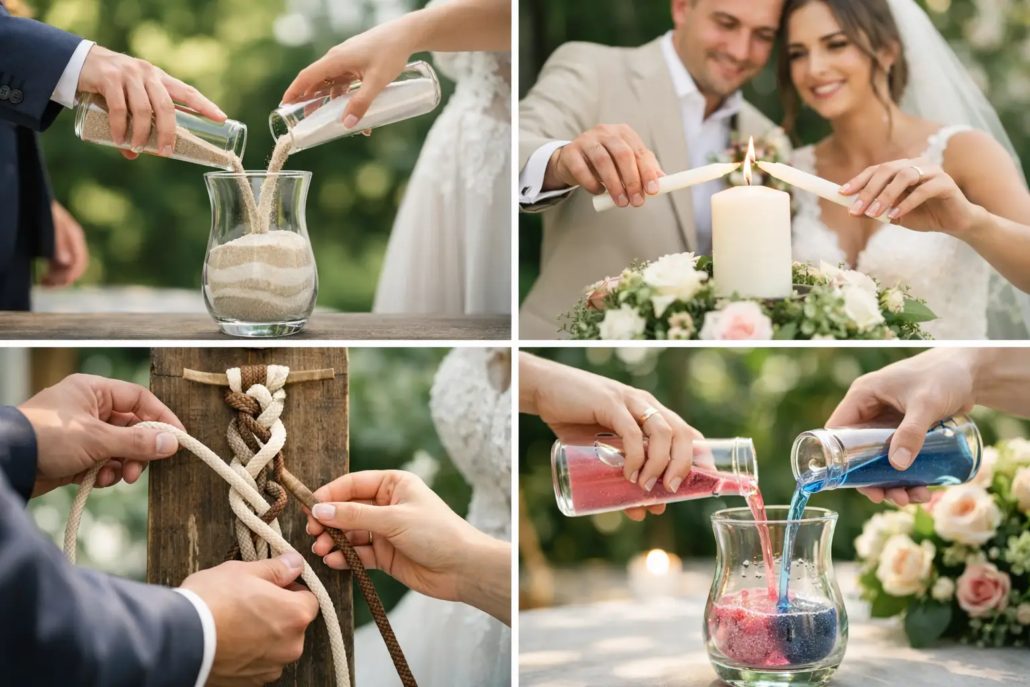
A unity ritual should feel like a natural part of your ceremony, not a random craft project dropped in between vows and rings. The best wedding unity ceremony ideas do one simple thing well – they show, in a visible and memorable way, what the two of you are building together.
That can look traditional, modern, spiritual, secular, bilingual, family-centered, or beautifully simple. If you are planning a Seattle-area wedding, an elopement, or a small ceremony with just a few important people, the right unity ritual can add meaning without adding stress. The key is choosing one that fits your relationship, your setting, and the tone you actually want.
How to choose wedding unity ceremony ideas that fit your ceremony
Before you pick the prettiest option on Pinterest, pause and think about how the moment will actually play out in real life. Some unity rituals are ideal for a quiet indoor ceremony with a table and plenty of setup time. Others work better outdoors, in the wind, on a beach, in a park, or in a living room with ten guests and a dog wandering through the aisle.
Start with the feeling you want. Do you want something symbolic and brief? Something interactive that includes children or parents? Something with cultural or spiritual roots? Or something that gives guests a visual moment without turning your ceremony into a performance?
It also helps to think about logistics early. Fire-based rituals can be tricky at some venues. Messy rituals are harder in formal spaces. Glass, sand, wine, paint, and candles all sound lovely until a windy day or a tight timeline gets involved. A good officiant can help you adapt the idea so it still feels meaningful without becoming one more thing to coordinate.
12 wedding unity ceremony ideas to consider
1. Unity candle
This is the classic choice for a reason. Each partner lights a center candle, usually from two separate taper candles, to symbolize two lives joining into one shared marriage.
It works especially well in indoor ceremonies and can feel elegant, familiar, and emotionally grounded. The trade-off is practical – wind is not your friend, and some venues have restrictions around open flame. If you love the symbolism but are getting married outdoors, you may want a different ritual with the same spirit.
2. Sand ceremony
A sand ceremony is one of the most popular unity rituals because it is simple, visual, and easy to personalize. Each of you pours a different color of sand into one shared vessel, creating a layered design that cannot be separated again.
This option is great for secular ceremonies, beach weddings, and family-inclusive celebrations. It is also one of the easier rituals to adapt for children, with each child adding a color of their own. If you want something symbolic that is low-pressure and easy to explain to guests, this is often a very good fit.
3. Handfasting
Handfasting has deep historical roots and works beautifully in spiritual, secular, Celtic-inspired, or highly personalized ceremonies. During the ritual, your hands are tied or wrapped with cords or ribbons to symbolize your commitment.
What couples often love about handfasting is that it feels intimate without requiring a table full of supplies. It also photographs beautifully. The important thing is context – if you are using handfasting because it reflects your heritage, beliefs, or relationship style, it tends to feel powerful. If it is included only because it looks nice online, it can feel less grounded.
4. Ring warming
In a ring warming, your wedding rings are passed among guests before the exchange so loved ones can hold them briefly and offer a silent wish, prayer, or blessing. It is less of a visual unity ritual between the couple and more of a shared community moment.
This works especially well for intimate weddings where guest participation matters. It may be less practical for large ceremonies, where passing rings can create timing issues or unwanted chaos. A smaller guest count makes this ritual feel especially warm and personal.
5. Wine blending ceremony
For couples who enjoy food, hosting, or the idea of creating something together, a wine blending ceremony can be a lovely option. You each pour different wines into one glass and share a sip, symbolizing the blending of your lives.
This ritual tends to work best in relaxed, adult-centered ceremonies. It can feel sophisticated, but it is not ideal for every crowd or every couple. If alcohol is not part of your lives, there is no need to force it. You can create a similar moment with tea, coffee, or another drink that actually means something to you.
6. Love letter and wine box
This is a quieter, more reflective unity ritual. During the ceremony, you place love letters to each other into a box, often with a bottle of wine, to be opened on a future anniversary or during a hard season in marriage.
It is less about a visual guest moment and more about creating something meaningful for your future selves. Couples who want a symbolic ritual without a lot of extra performance often love this one. It works well in both traditional weddings and intimate elopement-style ceremonies.
7. Tree planting
A tree planting ceremony symbolizes growth, roots, and the life you are building together. You each add soil or water to a shared plant or small tree during the ceremony.
It is a beautiful idea, especially for nature-loving couples in the Pacific Northwest, but this is one of those rituals where logistics matter. Full tree planting at the ceremony site is not always realistic. A potted plant version is usually easier and still meaningful. If you want the symbolism without the mess, keep the setup simple.
8. Glass ceremony
In a glass ceremony, each partner pours small pieces of colored glass into one vessel. Later, the blended glass can be transformed into a keepsake, such as a vase, ornament, or artwork.
This is a nice alternative to sand if you want a modern look and a lasting piece of art. It tends to feel a little more polished and a little less expected. Just make sure the process is handled safely and that your officiant explains it clearly so guests understand the symbolism.
9. Cord of three strands
This ritual is especially meaningful for Christian couples, though it can be adapted depending on beliefs. The couple braids or ties three strands together to represent their partnership and the strength of a shared spiritual foundation.
It offers strong symbolism without taking a lot of time. If faith is central to your relationship, this can be a deeply appropriate choice. If you are planning a non-religious ceremony, though, it may not feel like the right fit, and that is okay.
10. Family unity ceremony
For blended families, a unity ritual can be one of the most meaningful parts of the ceremony. Children can join in a sand ceremony, add written promises to a keepsake box, participate in a group handfasting, or receive their own vows and tokens.
This is one area where personalization matters a lot. You want the moment to feel sincere, not forced. The ages of the children, family dynamics, and comfort level all matter. A simple and thoughtful ritual usually lands better than something overly scripted.
11. Shared meal or bread ceremony
In some cultural and family traditions, sharing bread, sweets, or a small ceremonial bite represents hospitality, abundance, and a shared home. This can be adapted in a way that honors heritage while still fitting a modern wedding format.
It is especially meaningful for couples who want to include family traditions without building the entire ceremony around one religious structure. If food, culture, and gathering are a big part of your relationship, this kind of ritual can feel deeply personal.
12. Water blending ceremony
A water ceremony involves combining water from two separate vessels into one. Sometimes the water comes from meaningful places, such as hometowns, family homes, or places important to the relationship.
This option is simple, symbolic, and especially useful when you want something elegant and low-fuss. It works well for secular ceremonies, bilingual ceremonies, and outdoor weddings where flame-based rituals are not practical. The personal story behind the water is what gives this ritual its emotional weight.
When a unity ritual adds meaning – and when it does not
Not every wedding needs a unity ceremony. That is worth saying clearly. If the ritual feels like one more task on your planning list, or if it interrupts the natural flow of your ceremony, skipping it may be the better choice.
A good unity moment should support the ceremony, not distract from it. For some couples, the vows are the emotional centerpiece and do not need anything extra. For others, a unity ritual creates a powerful pause, especially when there are children involved, cultural traditions to honor, or a desire to include family in a visible way.
This is where thoughtful ceremony design makes a real difference. The ritual should match the tone of the day. A formal venue may call for something elegant and contained. A backyard wedding may leave more room for a relaxed, interactive moment. A bilingual ceremony may benefit from a ritual with simple, universal symbolism that reads clearly in both languages.
Making the moment feel natural
The most successful wedding unity ceremony ideas are usually the ones that are introduced well and kept simple. Guests do not need a five-minute explanation. They just need enough context to understand why this moment matters to you.
It also helps to rehearse the mechanics. Where will the items be placed? Who hands them to you? How long will it take? If children or parents are involved, do they know their role? These little details are not glamorous, but they are exactly what keeps a meaningful moment from becoming awkward.
At Forever, Together, we often remind couples that personalization does not have to mean complicated. A short, well-placed ritual with the right words around it can say far more than an elaborate setup that never quite fits the ceremony.
The best choice is the one that feels honest when you imagine yourselves doing it, standing there together, with everyone who matters watching you begin.