
7 Wedding Ceremony Outline Examples
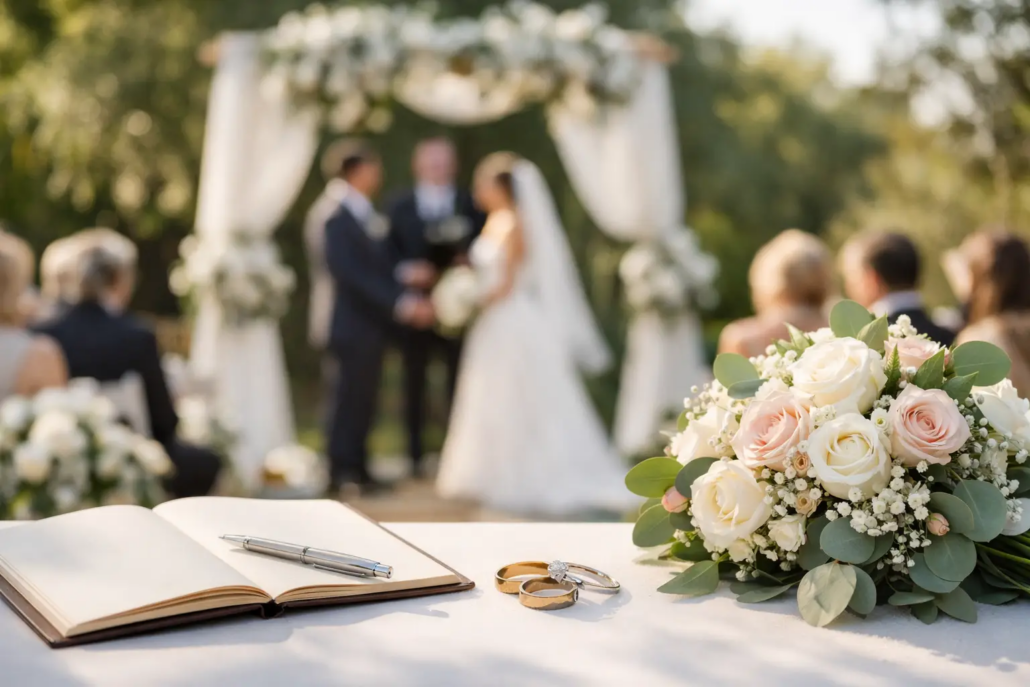
The ceremony is the part everyone remembers – and the part many couples feel least sure how to build. If you have been searching for wedding ceremony outline examples, you probably are not looking for a stiff script. You want to see what actually goes where, what feels optional, and how to create something that sounds like you instead of a template from the internet.
That is where a good outline helps. It gives your ceremony shape without locking you into someone else’s words. Whether you are planning a quick legal signing in Seattle, an intimate elopement on the coast, or a full family ceremony with personal vows and cultural traditions, the right outline keeps things organized, meaningful, and calm.
What a wedding ceremony outline actually does
Think of the outline as the framework, not the finished product. It sets the order of events, shows where readings or rituals fit, and makes sure the ceremony flows naturally from welcome to pronouncement. It also helps you decide what matters most.
Some couples want a ceremony that is ten minutes and beautifully simple. Others want space for a love story, family participation, bilingual elements, or a unity ritual. Neither approach is more meaningful than the other. It depends on your priorities, your guests, and how you want the moment to feel.
Most ceremonies include the same core building blocks: a processional, welcome, opening remarks, declaration of intent, vows, ring exchange, pronouncement, and recessional. From there, you can add, trim, or rearrange based on your style.
7 wedding ceremony outline examples
Here are seven ceremony formats couples often use. These are not rigid scripts. They are flexible outlines you can personalize.
1. Simple civil ceremony outline
This is ideal for couples who want something short, clear, and heartfelt without a lot of extra structure.
The processional begins, followed by a brief welcome from the officiant. Then comes a short statement about marriage and the significance of the day. After that, the couple makes their declaration of intent, exchanges vows if desired, exchanges rings, and is pronounced married. The ceremony ends with a kiss and recessional.
This format often runs about five to ten minutes. It works especially well for courthouse-style weddings, backyard ceremonies, and couples who want the legal essentials with a little warmth.
2. Personalized modern ceremony outline
This is one of the most popular wedding ceremony outline examples because it balances structure with personality.
The ceremony opens with the processional and welcome. The officiant then shares a custom story or reflection about the couple – how they met, what they value, or what makes their relationship work. A reading may follow if the couple wants one. Then come the declaration of intent, personal vows, ring exchange, pronouncement, kiss, and recessional.
This style usually lasts around ten to fifteen minutes. It feels polished but personal, and it gives guests a sense that they are witnessing your story, not just attending an event.
3. Traditional ceremony outline
For couples who want a more classic flow, a traditional outline offers familiarity and a little more formality.
After the processional, the officiant gives a formal welcome and opening remarks. There may be a question such as “Who supports this marriage?” if that fits the couple and family dynamic. A reading or short message follows, then the declaration of intent, traditional vows, ring exchange, pronouncement, kiss, and recessional.
You can keep this fully traditional or soften it. For example, some couples like the classic order but prefer more modern wording. That is a common compromise when one or both families expect a traditional feel, but the couple wants the ceremony to sound natural.
4. Secular ceremony outline
A secular ceremony removes religious language while keeping the emotional weight fully intact.
The processional is followed by a welcome and a message centered on partnership, commitment, and shared values. A poem, reading, or moment of reflection may be included. Then the couple makes their declaration of intent, says vows, exchanges rings, and is pronounced married. The ceremony closes with the kiss and recessional.
This format is a great fit for couples who are spiritual but not religious, interfaith couples who want neutral language, or anyone who wants the ceremony to focus on their relationship without specific doctrine.
5. Bilingual wedding ceremony outline
For bilingual or multicultural weddings, the outline matters even more because pacing and clarity are key.
Typically, the processional starts as usual, followed by a welcome offered in both languages. The officiant may alternate sections line by line or present one part in English and then summarize in Spanish, depending on the audience. Readings, vows, and ring exchange can also be bilingual. The declaration of intent and pronouncement should always be very clear in both languages so everyone understands the legal and emotional moment.
This kind of ceremony takes a little more planning, but it creates a deeply inclusive experience. It allows both families to feel truly present rather than like they are watching from the sidelines.
6. Elopement or micro wedding outline
Smaller weddings often call for a ceremony that is intimate rather than abbreviated.
A typical outline includes a brief entrance or gathering, warm welcome, custom remarks about the couple, declaration of intent, personal vows, ring exchange, pronouncement, kiss, and perhaps a quiet pause afterward to let the moment land before photos begin.
What makes this format special is not length. It is focus. Without a large guest list or lots of production around it, every word matters more. Couples often choose this style when they want privacy, ease, or a less stressful way to get married.
7. Interactive family-centered ceremony outline
If children, parents, or chosen family play a big role in your life, your ceremony can reflect that.
After the processional and welcome, the officiant may acknowledge family members or invite them into a short blessing, reading, or group response. The couple then moves into the declaration of intent, vows, ring exchange, and any family ritual such as a unity candle, hand blessing, or group vow of support. The ceremony ends with the pronouncement, kiss, and recessional.
This format works beautifully for blended families, second marriages, and couples who want the ceremony to feel communal instead of purely couple-focused.
How to choose the right outline for your wedding
The best outline is not the one that sounds most impressive on paper. It is the one that fits your relationship, your guests, and your comfort level.
If you hate being the center of attention, a shorter ceremony may feel more natural. If you have family traveling a long way and want them to feel included, adding a reading or blessing can be worth the extra time. If one of you loves writing and the other does not, you can do personalized vows for one section and keep the declaration of intent simple and shared.
This is also where logistics matter. Outdoor ceremonies may benefit from a tighter structure in case of weather or sound issues. Larger guest counts usually call for a bit more polish and clearer transitions. Short-notice weddings often work best with an outline that keeps decisions manageable.
Where couples often overcomplicate things
The biggest mistake is assuming meaningful has to mean long. It does not. A beautifully written eight-minute ceremony can feel far more powerful than a twenty-minute one packed with readings, rituals, and wording that does not sound like either of you.
Another common issue is trying to please every expectation at once. You can honor family, culture, or tradition without building a ceremony that feels crowded. Sometimes one reading in a loved one’s language or one symbolic ritual does the job better than five separate add-ons.
A good officiant helps you find that balance. At Forever, Together, that often means helping couples keep the parts that matter, skip the ones that do not, and build a ceremony that feels personal without turning planning into a second full-time job.
A simple formula if you are starting from scratch
If you feel stuck, begin with this question: what do we want guests to feel during our ceremony? Once you know that, the outline gets easier.
If the answer is warm and relaxed, keep the structure simple and conversational. If the answer is intimate and emotional, make room for personal vows and a story. If the answer is inclusive and family-centered, build in bilingual language, readings, or a shared ritual.
You do not need a complicated ceremony to have a memorable one. You need the right order, the right tone, and words that feel true when you say them out loud.
A ceremony outline should make the process easier, not heavier. When it fits your relationship, everything starts to click – and that is when the ceremony becomes the most fun, and least stressful part of wedding planning.