
Are Rehearsals Necessary for Your Wedding?
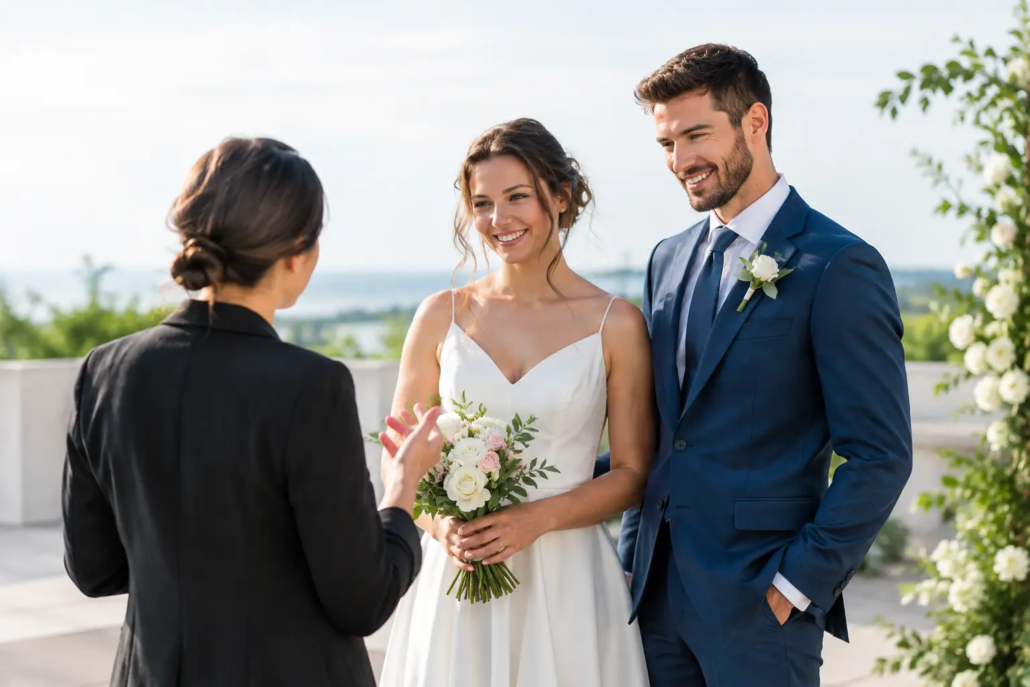
The aisle is ready, your favorite people have arrived, and someone suddenly asks, “Wait, when do I walk?” That is the moment many couples picture when they wonder: are rehearsals necessary for a wedding? The reassuring answer is no, not always. But a little preparation can make a big difference when you have a larger wedding party, meaningful traditions, young children, or family members who would feel better knowing the plan.
A rehearsal is not a performance review. It is simply a chance to help the people standing beside you feel comfortable, clarify the flow of the ceremony, and remove a few avoidable question marks before the big day. For some couples, that means a full walk-through at the venue. For others, a five-minute conversation and a clear ceremony plan are more than enough.
Are Rehearsals Necessary for Every Wedding?
No. A wedding rehearsal is optional, not a requirement for a legal or heartfelt ceremony. Plenty of Seattle-area elopements, backyard weddings, restaurant celebrations, and short legal signings happen beautifully without one.
Whether you need a rehearsal depends less on the size of your guest list and more on the number of moving parts. A couple exchanging vows on a beach with two witnesses may only need to decide where to stand and when to hand over the rings. A ceremony with eight attendants, grandparents in the processional, a flower child, two readings, a bilingual blessing, and a venue coordinator may benefit from gathering everyone beforehand.
The goal is not perfection. Guests rarely notice a slightly uneven walk down the aisle or a pause while someone finds their place. What they do notice is how you feel. If a rehearsal helps you arrive more relaxed and present, it is probably worth considering.
When a Rehearsal Is Especially Helpful
A rehearsal can be a wonderful stress-reducer when the ceremony includes people who need clear direction. This might include a large wedding party, children, older relatives, or anyone who is nervous about being in front of a crowd. It is also useful when the ceremony location has an unusual layout, such as a steep lawn, narrow dock, winding garden path, or multiple entrances.
Consider scheduling a rehearsal if any of these situations apply:
- Your processional includes more than a few people or uses a specific order.
- You have young children carrying rings, tossing petals, or walking with an adult.
- You are including cultural, religious, or family traditions with timed participation.
- Your ceremony has readings, music cues, unity rituals, or several speakers.
- Family dynamics are complicated, and you want everyone to understand where they will sit, stand, or enter.
- You are getting married at a venue with strict timing, limited access, or a nontraditional ceremony space.
A rehearsal is also helpful when it gives someone else peace of mind. Maybe you are perfectly comfortable improvising, but your dad wants to know when he is escorting you, or your maid of honor is worried about holding your bouquet and the rings at the same time. A quick run-through can be a generous gift to the people supporting you.
When You Can Comfortably Skip It
Skipping a rehearsal does not mean winging it. It means choosing a simpler form of preparation.
You can often skip a formal rehearsal when your ceremony is intimate, your processional is straightforward, and your participants are comfortable following light direction. Couples planning an elopement or a micro-wedding frequently do not need to bring everyone together the night before. The same is true for weekday weddings, courthouse-adjacent legal signings, and celebrations where the couple walks in together.
Many couples prefer to protect the evening before the wedding for a relaxed dinner, private time, or simply getting enough sleep. That is completely valid. If gathering everyone at the venue would add travel, scheduling pressure, or unnecessary expense, a full rehearsal may create more stress than it solves.
Instead, make sure your officiant, coordinator, and key participants have the important details in advance. A concise ceremony timeline can answer most questions: where to meet, who walks with whom, where everyone stands, who has the rings, and what happens after the kiss.
A Rehearsal Does Not Have to Be at the Venue
Couples sometimes assume a rehearsal only counts if everyone meets at the ceremony site and practices every step. In reality, there are several ways to prepare, and the best option is the one that fits your schedule and energy.
If your venue allows access the day before, a 20- to 30-minute walk-through can be plenty. Practice the processional order, show everyone where to stand, review any special moments, and then let people get on with the celebration. There is no need to read the entire ceremony word for word unless that would make you feel better.
If venue access is limited, meet at a nearby park, hotel lobby, family home, or rehearsal dinner location. You can use chairs, a sidewalk, or even a few imaginary markers to show the basic setup. The purpose is orientation, not choreography.
For a very small ceremony, a phone call or group message may do the job. Tell your wedding party to arrive early, identify a point person for questions, and let your officiant guide the final positioning. Experienced officiants are accustomed to helping couples and their loved ones settle into place without making it feel stiff or overly formal.
What to Practice During a Wedding Rehearsal
Keep the rehearsal focused on the moments that affect timing and comfort. Start with the processional: who enters, in what order, from which direction, and whether anyone is paired together. Then practice where each person stands once they reach the front.
Next, review the handoffs. Who carries the rings? Who takes the bouquet? When do readers come forward? If you have a unity candle, sand ceremony, handfasting, cultural tradition, or bilingual element, explain where participants should be and what they will be asked to do.
Finally, practice the recessional. This is the joyful exit after you are pronounced married, and it is often the part people forget to discuss. Decide whether you will walk out first, whether your wedding party follows immediately, and where you want everyone to go afterward for photos or celebration.
You do not need to rehearse private vows unless you want to. You also do not need to perfect every word of a reading. A ceremony should feel human, not like a stage production. A little spontaneity can be part of its charm.
How to Keep the Rehearsal Calm and Useful
The best rehearsals are short, kind, and specific. Ask everyone to arrive on time, but build in a little patience for traffic, work schedules, and real life. In Western Washington, it is also wise to have a weather backup conversation if your ceremony is outdoors. Confirm where people will wait if rain arrives, where umbrellas belong, and whether the processional route changes.
Choose one person to help gather the group and field small questions. This could be a planner, venue coordinator, trusted friend, or a member of the wedding party. Couples should not have to spend their rehearsal tracking down cousins or explaining the same detail six times.
It also helps to remember that not every participant needs every detail. Your readers need to know when to come forward. Your ring bearer needs to know who will help them. Your parents need to know where they are seated or when they walk. Giving each person only the information they need keeps the room calmer.
At Forever, Together, we often find that couples feel most at ease when they have a clear plan but leave room for the real feeling of the day. A personalized ceremony already has a natural flow because it is built around your relationship, your values, and the people you have chosen to include.
The Better Question: What Will Help You Feel Present?
Rather than asking whether a rehearsal is something weddings are supposed to have, ask what will allow you to be fully present when the ceremony begins. If a practice run helps your loved ones feel confident and lets you release the logistics, schedule it. If your celebration is simple and a full rehearsal would feel like one more obligation, skip it without guilt.
You can have a deeply meaningful, beautifully organized ceremony either way. Give your people a clear plan, trust the professionals around you, and save the most important part of the day for what it is really about: looking at your partner and knowing you are exactly where you want to be.