
Your Bilingual Wedding Checklist for a Clear Ceremony
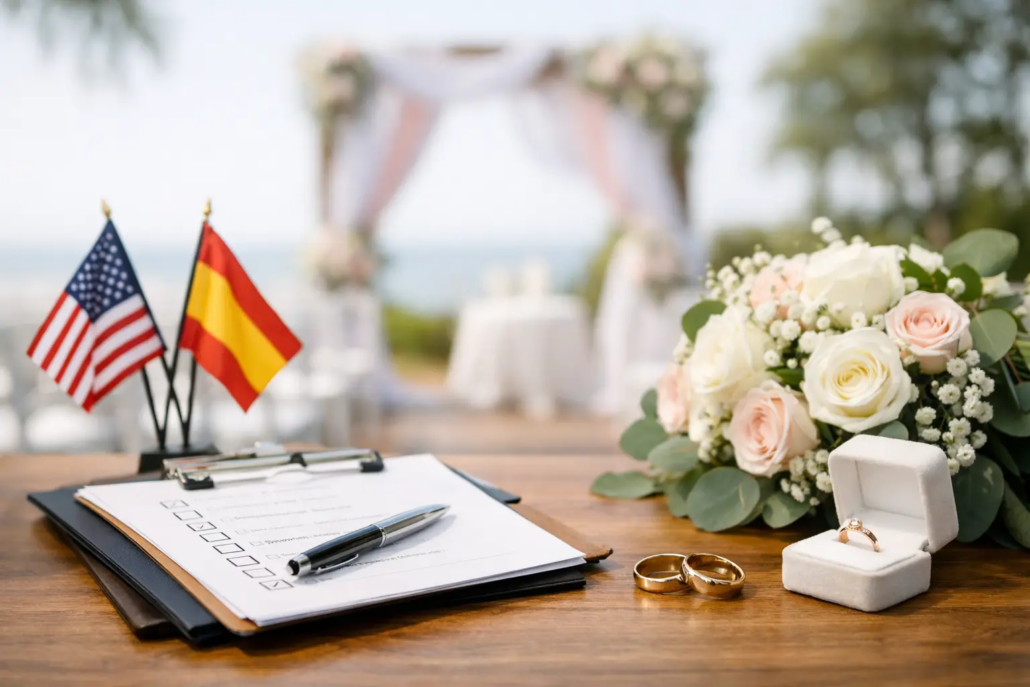
A bilingual ceremony should never leave half the room wondering when to laugh, cry, or say “amen.” This bilingual wedding checklist helps you make intentional choices about language, culture, pacing, and participation so every guest feels welcomed into the moment. Whether you are blending English and Spanish, honoring another language, or planning for relatives who speak different languages, the goal is not a word-for-word duplicate. It is a ceremony that feels personal, clear, and unmistakably yours.
Start by deciding what bilingual means to you
There is no single correct format for a bilingual wedding ceremony. Some couples want every major section presented in both languages. Others prefer a primarily English ceremony with Spanish readings, vows, or family blessings. A third option is to use one language for the officiant’s remarks and another for personal vows or a meaningful cultural tradition.
Talk through the experience you want your guests to have. Are both languages equally important to the couple? Will many guests understand only one language? Is there a parent, grandparent, or chosen family member you especially want to include? The answers will shape the ceremony better than any template can.
A fully repeated ceremony is the clearest option for guests, but it does add time. If you are planning a short ceremony, a selective bilingual format can preserve the emotional meaning without turning a 15-minute ceremony into 35 minutes. Neither choice is more authentic. The right choice is the one that honors your people and feels comfortable when you say it out loud.
Choose one of three language formats
For a balanced, guest-friendly ceremony, choose a format early and share it with your officiant. You might use complete interpretation, where each major passage is delivered in both languages. You can use a blended format, with a brief welcome and key moments in both languages while the main ceremony is delivered primarily in one. Or you can create a language-forward format, where each partner speaks vows in the language that feels most natural to them and the officiant provides enough context for everyone to follow.
If one partner is still learning the other partner’s first language, do not force a performance. A few sincerely spoken lines can be more moving than a long passage said with anxiety. Your ceremony is not a language exam.
Build your bilingual wedding checklist around the people present
Before choosing readings or writing vows, make a simple guest-language picture. You do not need a spreadsheet unless that brings you joy. Just identify who needs interpretation, who is comfortably bilingual, and who may appreciate printed guidance.
This step is especially useful when family dynamics are involved. Perhaps one side of the family speaks Spanish at home, while the other is most comfortable in English. Perhaps grandparents understand more than they speak. Perhaps friends have traveled from different places and your ceremony is a chance to make them feel included from the first welcome.
Ask yourselves these questions: Which words must every guest understand? Which moments are most emotionally meaningful to us? Are there names, family stories, religious references, or cultural traditions that need careful pronunciation or explanation? A skilled bilingual officiant can help you answer these without making the ceremony sound overly formal or instructional.
Plan the words that carry the most weight
Not every sentence needs to appear twice. Focus first on the parts of the ceremony where understanding matters most: the welcome, statement of intent, vows, ring exchange, pronouncement, and any instructions for guests.
Welcome and opening story
The opening should tell guests right away that both languages belong in the space. A brief welcome in English and Spanish can set a warm, inclusive tone before the ceremony moves into its chosen format. If your officiant shares your relationship story, decide whether it will be fully interpreted, summarized in both languages, or delivered in the language most guests understand.
This is also the place to explain a cultural tradition when needed. A lasso, arras coins, handfasting, tea ceremony, family blessing, or unity ritual can be deeply meaningful without a lengthy history lesson. A sentence or two of context gives every guest a way into the moment.
Vows and ring exchange
Personal vows are often where bilingual ceremonies become most memorable. You may write separate vows in different languages, include a translated passage in your printed program, or have the officiant briefly summarize the promise after each person speaks. What matters is that the person receiving the vow understands it fully and that you feel confident saying it.
For the legal declaration and ring exchange, clarity is helpful. If your officiant asks a required question in both languages, make sure each partner knows when and how to respond. Practice the ring wording, especially if it includes a phrase in a language you do not use every day. A small pause is completely fine. Panic is optional.
Readings, music, and family participation
Readings are a lovely way to let both languages breathe. Rather than using the same reading twice, consider two short readings that complement each other. A poem in Spanish and a short passage in English can feel more natural than a full translation, provided the officiant offers a brief introduction or summary.
The same goes for music. Lyrics do not need to be translated line by line, but think about what the song communicates and whether it supports the tone of the ceremony. If a parent or loved one will offer a blessing, ask them to send the wording ahead of time. This gives your officiant time to confirm pronunciation, placement, length, and whether interpretation would help the room follow along.
Handle translation with care
Online translation tools can be useful for a first draft, but they are not the final authority for wedding vows, family names, or cultural language. Literal translations can sound stiff, change the emotional meaning, or use a regional phrase that does not fit your family. Whenever possible, have a fluent speaker review the final wording.
Be specific about dialect and vocabulary preferences. Spanish is spoken beautifully in many regions, and a word that feels natural in one household may sound unfamiliar in another. The same principle applies to any language. Your ceremony should reflect your family, not a generic translation.
Pronunciation deserves the same attention. Send your officiant a phonetic spelling or a short audio recording for names, places, and meaningful phrases. This simple step prevents the awkward moment when a carefully chosen tribute is delivered incorrectly.
Prepare the practical details
A bilingual ceremony has a few extra moving pieces, but they are manageable when decided before the wedding day. Confirm who will interpret, whether they will stand beside the officiant or participate from their seat, and whether they need a microphone. Do not ask a guest to interpret on the spot unless they have enthusiastically agreed and understand the full responsibility.
If you are providing programs, keep them simple. A short order of ceremony, translations of essential phrases, and the lyrics for a communal song may be enough. Printing every word can pull guests out of the experience, especially if the ceremony is already easy to follow through thoughtful delivery.
For outdoor Seattle and Western Washington weddings, sound matters as much as wording. Wind, water, traffic, and large open spaces can make bilingual delivery harder to hear. Ask your venue about amplification, test microphones during the rehearsal, and make sure your officiant and interpreter can be heard without rushing.
Rehearse the handoffs, not every emotion
You do not need to perform your ceremony perfectly at the rehearsal. You do need to know where people stand, when a reader approaches, who holds the rings, and how interpretation will flow. Practice the transitions between languages so they feel like part of the ceremony rather than an interruption.
If family members are participating, give them a clear arrival time and a single point of contact. Let them know whether they need to bring a printed reading, whether they will use a microphone, and when they should be ready. These small details protect everyone from last-minute scrambling.
At Forever, Together, bilingual ceremony planning is designed to feel supportive rather than complicated. The best preparation gives you structure, then leaves room for the happy tears, nervous laughter, and real feeling that no script can manufacture.
Your week-before bilingual wedding checklist
In the final week, confirm these details with your officiant and participants:
- Finalize all names, pronunciation notes, vows, readings, and translated passages.
- Confirm the language format for each section, including who speaks and who interprets.
- Check microphones, printed programs, music cues, and the placement of any cultural ceremony items.
- Remind readers and family participants of their arrival time, speaking order, and where to stand.
- Bring a clean printed copy of the final ceremony, even if everyone also has it on a phone.
Then let the plan do its job. A bilingual ceremony does not need to be perfectly symmetrical to be deeply respectful. When guests can hear the love, recognize themselves in the language and traditions you choose, and understand the promises being made, you have created something far more lasting than a perfectly translated script.