
How to Choose a Bilingual Wedding Officiant Seattle
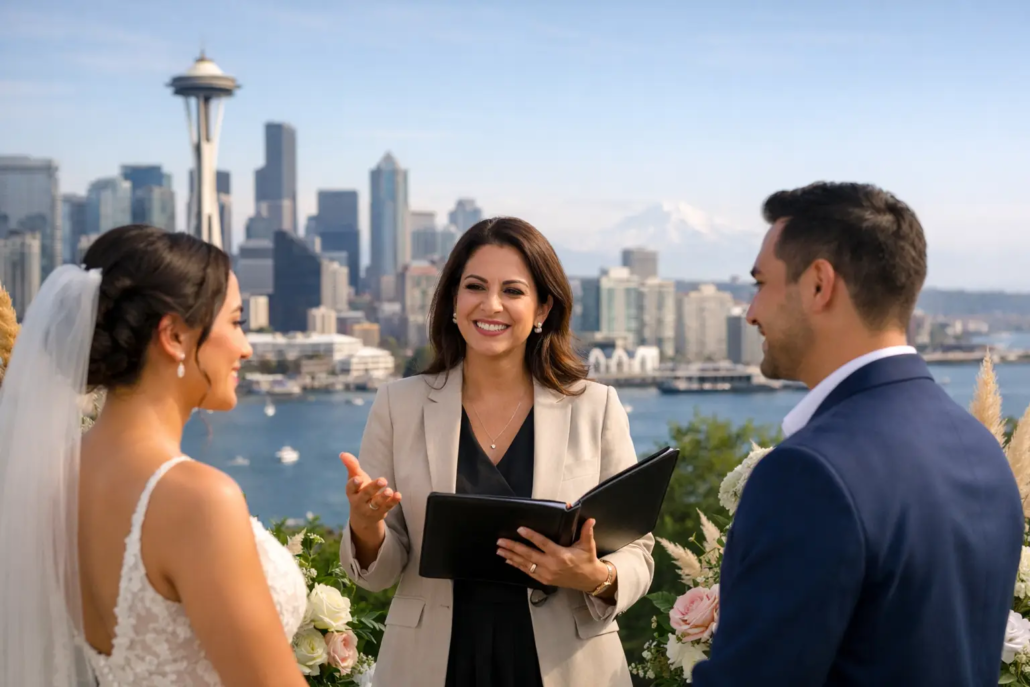
A bilingual ceremony can be one of the most moving parts of your wedding day – and one of the easiest places for stress to sneak in if it is not handled well. If you are searching for a bilingual wedding officiant Seattle couples can truly rely on, you are probably not just looking for someone who speaks two languages. You are looking for someone who can help both of your families feel included, respected, and fully part of the moment.
That distinction matters more than most couples realize at first.
A wedding ceremony is not a translation exercise. It is a shared experience. When one partner speaks English, the other has Spanish-speaking relatives, or both families move between languages naturally, the officiant has to do more than alternate words line by line. They need to manage rhythm, emotion, clarity, and timing so the ceremony still feels warm and connected instead of long, repetitive, or awkward.
What a bilingual wedding officiant in Seattle should actually do
The right officiant helps you create a ceremony that sounds like you, not like a generic script copied into two languages. That means learning how you want the ceremony to feel, who needs language support, and which parts should be spoken in English, Spanish, or both.
For some couples, that means a fully bilingual ceremony where the welcome, vows, ring exchange, and pronouncement are all presented in both languages. For others, a better fit is a mostly English ceremony with Spanish woven into key moments so grandparents, parents, or extended family feel included. Sometimes the opposite is true. There is no single correct format.
A strong bilingual officiant also helps with practical choices that affect the flow of the ceremony. Do you want every section repeated in both languages? Would that make the ceremony feel too long? Should certain readings stay in their original language for emotional impact? Would your guests be more comfortable with short summaries rather than full repetition? These are not small details. They shape how the ceremony lands in real time.
Why bilingual ceremonies matter beyond translation
When families come from different linguistic or cultural backgrounds, weddings can carry extra emotional weight. People want to feel welcomed. They want to understand what is happening. They want to hear their language spoken with care, not treated like an afterthought.
That is why choosing a bilingual wedding officiant in Seattle is often about family connection as much as language. A well-crafted bilingual ceremony can lower tension, bridge cultural gaps, and make the day feel more generous. Guests are not left guessing. No one feels sidelined. The ceremony says, clearly, you all belong here.
There is also a practical side. Seattle and Western Washington weddings are often beautifully mixed in style and background. Couples may be blending secular and religious elements, formal traditions and modern preferences, or two family cultures with different expectations around what a ceremony should include. A bilingual officiant who understands customization can help you honor those differences without making the ceremony feel crowded or conflicted.
How to tell if an officiant is the right fit
Language ability is the starting point, not the finish line.
You want to know whether the officiant is comfortable leading a live ceremony in both languages, not simply reading a script. There is a big difference. Weddings are full of tiny shifts – nerves, laughter, tears, unexpected pauses, a ring that takes a second to find, a grandparent who needs a little extra time. An officiant has to respond naturally in the moment and keep everyone grounded.
It also helps to ask how they build bilingual ceremonies. Some officiants rely on a standard format and simply switch languages. Others personalize the structure based on your guest list, your priorities, and the balance you want between brevity and inclusivity. If a ceremony is deeply personal to you, that second approach usually creates a much better result.
Tone matters too. A bilingual ceremony should still sound like one voice. If the English feels warm and natural but the Spanish feels stiff, or the reverse, guests will notice. The best officiants know how to keep the emotional tone consistent across both languages.
Questions worth asking a bilingual wedding officiant Seattle couples are considering
The easiest way to avoid disappointment is to ask direct questions early. Ask whether they regularly officiate bilingual weddings, which languages they offer, and how they usually structure ceremonies for mixed-language guest groups. Ask whether they can customize the wording rather than using the same script every time.
You should also ask how they handle pronunciation of names, family roles, and cultural references. This sounds basic, but it matters. A personalized ceremony loses some of its heart when important names or phrases are rushed or mispronounced.
Another good question is how they help with ceremony length. Bilingual weddings can run longer by nature, but they should not feel draggy. An experienced officiant can help you decide where full bilingual delivery adds value and where a shorter approach may serve the moment better.
And if you are planning on short notice, ask that too. Not every officiant has flexibility for quick turnarounds, but some do. If your timeline is tight, it is better to know right away whether they can still offer a thoughtful, customized ceremony rather than something rushed.
Different bilingual ceremony styles can all work
One of the biggest reliefs for couples is realizing they do not have to do this in one prescribed way.
A fully bilingual ceremony can be beautiful when both families are equally split by language and you want everyone to hear every major moment. A partial bilingual ceremony often works well when most guests share one language but key family members speak another. A third option is to keep the ceremony mostly in one language while including readings, blessings, or vows in the other.
It depends on your crowd, your priorities, and your tolerance for ceremony length. If you are planning a large traditional wedding, a fuller bilingual format may feel worth it. If you are having an intimate elopement or micro wedding, shorter and more selective language integration may feel more natural. Neither choice is less meaningful.
The goal is not to prove how bilingual your wedding is. The goal is to make the ceremony feel sincere, inclusive, and easy to follow.
Customization matters even more in bilingual weddings
Generic ceremonies fall flat faster when two languages are involved. Repetition makes every weak line more obvious. That is why personalization matters so much here.
A good officiant will help you think through the pieces that make the ceremony yours: your story, your values, your family dynamics, your preferred tone, and any traditions you want to include or leave out. Maybe you want something romantic but not overly formal. Maybe you want light humor without losing the emotional weight. Maybe you want to honor religious roots while keeping the ceremony non-denominational. All of that can be done with care.
This is where an experienced service makes a real difference. At Forever, Together, bilingual ceremonies are treated as personal celebrations, not language add-ons. That means the ceremony can be shaped around your relationship and your guests rather than forced into a rigid template.
Seattle couples often need flexibility, not just polish
Weddings around Seattle rarely fit one mold. Some happen in parks, backyards, waterfront venues, private homes, or mountain settings. Some are planned a year out. Some come together in a matter of days. Some include ten guests. Others bring together several generations with very different expectations.
A bilingual officiant should be able to meet that reality with calm, not complication. Maybe you need help balancing cultural inclusion with a short ceremony timeline. Maybe you are coordinating relatives traveling from abroad. Maybe you want something simple and heartfelt without turning the planning process into a second job.
That is where flexibility becomes part of the service, not an extra. Couples often do best with an officiant who can adapt the ceremony to the setting, the family mix, and the energy of the day while still keeping the legal and emotional essentials clear.
The best choice feels supportive from the start
When you talk with the right officiant, you should feel more at ease, not more overwhelmed. You should come away with a clearer sense of your options, a better understanding of what will work for your guests, and confidence that your ceremony can reflect both your relationship and your families.
That is really what couples are looking for when they search for a bilingual wedding officiant Seattle service. Yes, language matters. But what matters just as much is having someone who can guide the process, reduce the stress, and create a ceremony where everyone feels seen.
Your wedding ceremony does not have to choose between personal and practical, or between meaningful and easy to follow. With the right support, it can be all of those things at once – and that is often what makes it unforgettable.