
How to Elope in Washington State
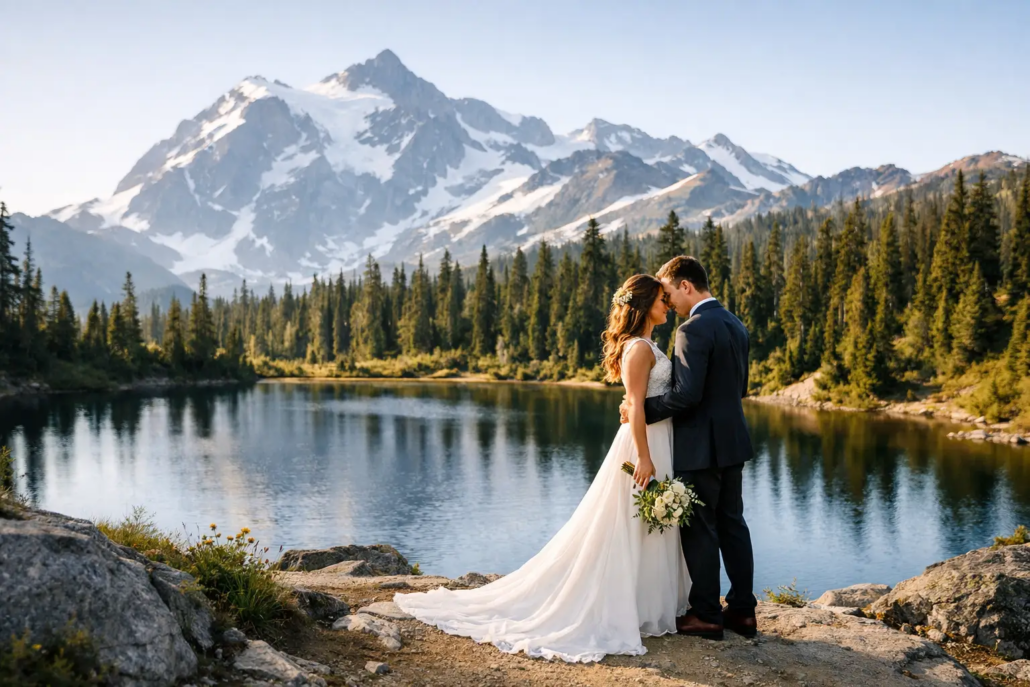
Some couples know the moment they say it out loud: we do not want a ballroom, a seating chart, or six months of group texts about charger plates. They want to elope in Washington State because it feels more like them – more private, more beautiful, and a whole lot less stressful.
That choice can be wonderfully simple, but it still helps to know what actually needs to happen. Washington gives couples a lot of flexibility, whether you want a quick legal signing in Seattle, a rainy coastal vow exchange, a mountain overlook with just the two of you, or a small gathering with a few favorite people. The goal is not to make your elopement complicated. The goal is to make it legal, personal, and calm.
Why couples elope in Washington State
Washington is especially well-suited for elopements because it offers variety without requiring you to leave the region. If you love evergreens, water, city views, islands, moody weather, or dramatic mountain scenery, you can find it here. You can plan something polished and elegant or completely relaxed.
Just as important, an elopement gives you room to focus on the ceremony itself. Many couples are not trying to avoid meaning – they are trying to protect it. They want to hear the words, make real promises, and have a moment that feels intimate instead of performative.
That is often where couples feel the most relief. You do not have to choose between a courthouse-style legal formality and a giant traditional wedding. There is a lot of space in between. You can keep it short and simple, or create something deeply personal with vows, family acknowledgments, cultural elements, bilingual wording, or a few carefully chosen guests.
What you need to legally elope in Washington State
The legal side is refreshingly straightforward, but there are a few details that matter.
First, you need a Washington marriage license. Couples can apply through a county in Washington, and many counties allow you to start the process online. Once the license is issued, there is a three-day waiting period before you can legally marry. That means you cannot get the license and use it the same day.
Second, the license is valid for 60 days after it is issued. This gives you a decent planning window, but it does mean timing matters if you are traveling, coordinating a location permit, or planning around weather.
Third, you need an authorized officiant and two witnesses for the ceremony. Those witnesses can be friends, family members, or even two adults who are present and willing to sign. If you are planning a just-us-two elopement, this is one of the details to sort out early so it does not become a last-minute scramble.
After the ceremony, the completed license must be signed and returned according to county instructions. If your officiant is experienced, they will usually help make sure that piece is handled correctly. That support matters more than people expect. The romantic part is saying yes. The practical part is making sure your paperwork does not end up sitting in the wrong envelope.
Choosing the right kind of elopement
Not every elopement looks the same, and that is part of the appeal.
Some couples want a legal signing with a few meaningful words. Others want a fully personalized ceremony in a smaller format. Some want to include parents and siblings. Others want total privacy and plan to celebrate later with dinner, a party, or a larger reception down the road.
There is no single right version. The best fit depends on what you are trying to protect, avoid, or prioritize.
If your main goal is ease, a simple city elopement may be perfect. If your main goal is emotional meaning, you may want time to write vows and shape a ceremony that feels like your relationship. If family dynamics are complicated, a smaller gathering can reduce pressure while still including the people who matter most. If your timeline is tight, a short-notice elopement can absolutely work, but you need to stay organized around the license waiting period and location logistics.
Best places to elope in Washington State
Western Washington gives couples a lot of beautiful options, but the best location is not always the most famous one. It is the one that matches your priorities.
Seattle works well for couples who want convenience, good vendor access, and a mix of urban and natural backdrops. Parks, waterfront spots, private homes, and boutique venues can all create a beautiful elopement without requiring a full wedding production.
Snohomish County often appeals to couples who want more open space, gardens, or mountain views within easier reach. Skagit and Whatcom Counties are great for couples drawn to farms, forests, water, and quieter scenic locations.
The trade-off is usually this: the more remote and dramatic the setting, the more planning it may require. You may need to think about parking, permits, guest access, weather backup plans, restrooms, hiking ability, and phone reception. A beautiful location is wonderful. A beautiful location where no one can hear the ceremony because of wind, or where Grandma cannot safely walk to the overlook, may not feel quite so magical in the moment.
That does not mean you should avoid scenic locations. It just means the most meaningful choice is often the one that feels good in real life, not only in photos.
Weather, timing, and the reality of Washington
Washington weather has a personality. Sometimes it is generous and glowing. Sometimes it lightly mists on your carefully curled hair. Sometimes it changes its mind every twenty minutes.
That is not bad news. It just means flexibility is your friend.
Late spring through early fall tends to offer the easiest outdoor planning, but those months can also bring more crowds to popular spots. Winter elopements can be gorgeous and quiet, especially if you love a cozy atmosphere, but daylight is shorter and conditions can be less predictable.
If you are planning outdoors, think through a real backup plan. Not a vague hope that the forecast will improve – an actual backup. That could mean a covered location, a private indoor option, or a ceremony design that still feels special if the weather shifts.
Time of day matters too. Early mornings can offer privacy and softer light. Weekdays can reduce crowds and availability issues. Sunset can be stunning, but it can also mean colder temperatures, tighter timing, and less flexibility if anything runs late.
Making your elopement feel personal
This is where an elopement really shines. Without a packed timeline or a hundred opinions in the room, you can shape the ceremony around what matters to you.
That might mean writing private vows and sharing them during the ceremony. It might mean including children, honoring family members, blending spiritual and secular elements, or creating a bilingual ceremony so everyone present feels included. It might also mean keeping the whole thing brief, grounded, and emotionally honest.
Personal does not have to mean elaborate. Sometimes the most moving ceremonies are the clearest ones. A few thoughtful words, a warm welcome, vows that sound like you, and a structure that fits your comfort level can do more than a long script ever could.
This is also why choosing the right officiant matters. A good officiant does more than show up with a script and a pen. They help you create a ceremony that feels natural, guide you through the legal details, and bring a calm presence to a day that can still carry a lot of emotion. For couples in Seattle and Western Washington, Forever, Together often fills that role by combining flexibility, personalization, and a steady hand when plans need to come together quickly.
Common mistakes couples make when they elope
Most elopement stress does not come from the ceremony itself. It comes from underestimating the details.
One common issue is waiting too long to handle the marriage license, especially when a couple is planning quickly. Another is choosing a location based only on appearance without checking permit rules, privacy, accessibility, or weather exposure. Some couples also assume an elopement will automatically feel easy, then realize they never actually talked through what kind of experience they want.
That conversation matters. Do you want the day to feel spontaneous or carefully planned? Quiet and private or lightly shared? Dressy or casual? Short and legal or emotionally rich and customized? None of these are trick questions, but getting on the same page early can save a lot of friction.
A simple way to plan without getting overwhelmed
If you want to keep the process manageable, make your decisions in this order: choose your date range, confirm your license timing, decide who will be there, pick the kind of ceremony you want, and then choose a location that fits those choices. Not the other way around.
That order helps because it keeps the emotional heart of the day in front of the aesthetics. Once you know what matters most, every other decision gets easier. You are not trying to build a whole wedding machine. You are creating one meaningful moment and the practical support around it.
Eloping can be wonderfully simple, but simple does not mean generic. The best Washington elopements feel intentional, relaxed, and unmistakably personal. If you give yourselves permission to plan for how you actually want to feel, not how anyone else expects a wedding to look, the day has a very good chance of feeling exactly right.