
Who Can Officiate a Wedding in Washington?
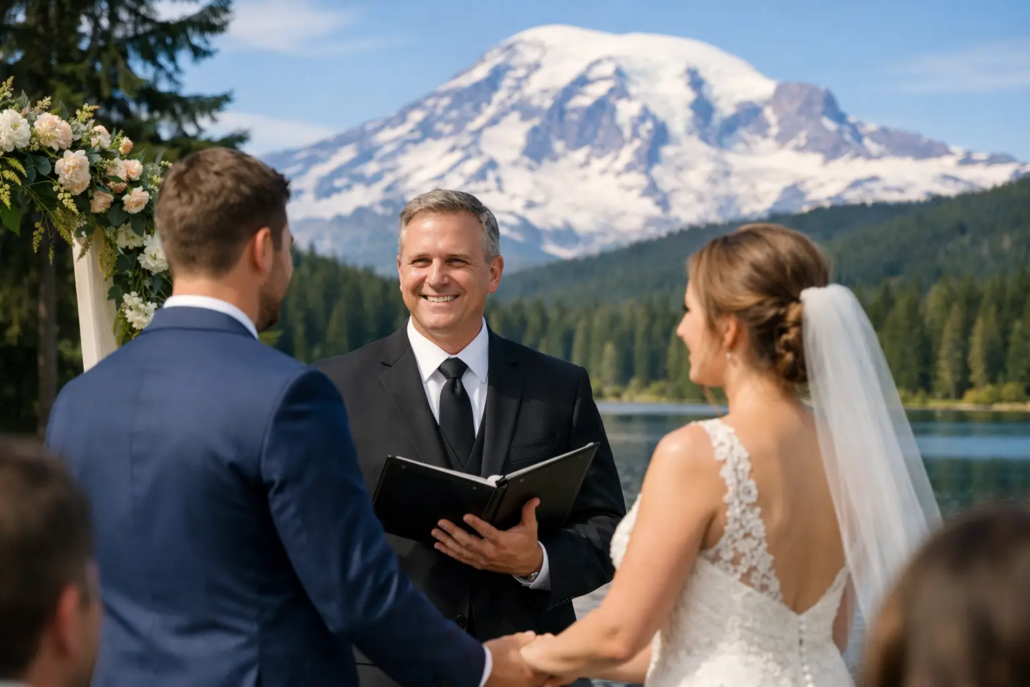
The question sounds simple until you are actually planning a ceremony: who can officiate a wedding, and will the person you want be legally recognized in Washington? If you are getting married in Seattle or anywhere in Western Washington, this is one of those details that can feel small right up until it becomes very important. The good news is that Washington gives couples flexibility. The better news is that you still have room to make the ceremony feel personal, relaxed, and very much like you.
Who can officiate a wedding in Washington?
In Washington State, weddings can generally be officiated by judges, certain court officials, and ordained clergy or ministers. That broad category often includes professional wedding officiants, religious leaders, and in many cases ministers who were ordained through a recognized organization.
That flexibility is helpful for couples who do not want a strictly religious ceremony, as well as couples planning something intimate, bilingual, interfaith, or beautifully nontraditional. It means your ceremony can still be heartfelt and customized without giving up the legal side of things.
What matters most is that the person officiating meets Washington’s legal requirements and completes the marriage license correctly after the ceremony. A warm presence and a great speaking voice are lovely. Filling out paperwork properly is also part of the job.
The main categories of people who can legally officiate
Judges and court officials
A judge is one of the most clearly recognized options. In some cases, other court officials may also have the authority to perform a marriage ceremony. This can be a practical route if you want something simple and civil, or if you are planning a quick legal ceremony without much customization.
That said, judge-led ceremonies are often more limited in format, scheduling, and personalization. Some couples love the simplicity. Others realize pretty quickly that they want more guidance, warmth, and flexibility than a courthouse-style experience usually offers.
Ordained ministers and clergy
This is the category most couples end up exploring. An ordained minister can be affiliated with a church, spiritual community, or non-denominational organization. In practice, this often includes professional officiants who specialize in weddings and work closely with couples to create a ceremony that fits their relationship.
If you are hoping for a ceremony that reflects your story, your values, your family dynamics, or a mix of cultural or religious traditions, this option usually gives you the most room to personalize. It is also often the best fit for elopements, outdoor weddings, same-sex weddings, and short-notice celebrations where flexibility matters.
A friend or family member who gets ordained
Many couples ask whether a friend or relative can officiate. In Washington, that may be possible if the person becomes legally ordained and otherwise meets the state’s requirements. This can create a deeply personal moment, especially if the person knows your relationship well and feels comfortable speaking in front of a group.
But this choice comes with trade-offs. The emotional connection can be wonderful. The logistical side can get messy if your chosen person is nervous, unfamiliar with ceremony structure, unsure how to lead a crowd, or unclear on the legal paperwork. A friend may know you well, but that does not automatically make them ready to manage the flow of a wedding day.
Can anyone officiate a wedding if they get ordained online?
This is where couples often get mixed answers, and fair warning, internet advice can get weird fast.
In Washington, online ordination may be valid if the ordaining organization meets the legal standard for clergy or ministers. The state has historically been fairly flexible, but that does not mean every situation is risk-free or every county employee will explain things clearly. If you are considering having a friend get ordained online, it is smart to confirm that they understand their responsibilities and that your marriage license will be completed correctly.
The legal authority is only one piece of the decision. The bigger question is whether that person can actually lead your ceremony with confidence and care. Can they set the tone? Can they keep everyone calm if the flower girl heads for the parking lot? Can they pronounce names correctly, speak clearly, and make the ceremony feel meaningful instead of awkward? Sometimes the answer is absolutely yes. Sometimes it is a loving no.
Who can officiate a wedding if you want a personalized ceremony?
If your goal is more than just getting the paperwork signed, a professional wedding officiant is often the best fit. This is especially true for couples who want a ceremony that feels authentic instead of copied from a template.
A professional officiant does more than show up and read words. They help shape the structure, guide you through vows, balance family expectations, manage timing, and create a ceremony that feels polished without feeling stiff. If you are blending cultures, including children, honoring faith traditions lightly, or planning a bilingual ceremony, experience matters even more.
For many couples, this is the sweet spot: legally qualified, emotionally grounded, and able to make the whole process feel easier.
How to choose the right officiant for your wedding
Once you know who can legally officiate a wedding, the next step is choosing who should. Those are not always the same question.
Start with the kind of ceremony you actually want. If you picture something short and simple with just a few guests, you may want an officiant who is comfortable with elopements and signings. If you are planning a larger event with personal vows, readings, and family involvement, look for someone who can guide a more detailed ceremony without making it feel overproduced.
You will also want to think about tone. Some officiants are very formal. Some are deeply spiritual. Some are casual and light. Some are excellent at balancing heartfelt moments with a little humor, which is often the magic combination. The right fit should feel calming, not confusing.
It also helps to ask practical questions early. Are they available for your location? Can they travel? Are they comfortable outdoors? Can they handle a bilingual ceremony? What happens if your timeline changes? Weddings are emotional, yes, but they are also live events. Flexibility is not a bonus. It is part of good service.
Common mistakes couples make
One of the biggest mistakes is assuming that any ordained person will know how to officiate well. Legal eligibility and ceremony skill are not the same thing.
Another is waiting too long to sort this out. Couples often focus on venue, photographer, and dinner menu, then realize late in the process that they still need someone to actually lead the ceremony. If you are planning a peak-season wedding in Seattle or the surrounding counties, booking early gives you more options and a lot less stress.
A third mistake is underestimating the paperwork. Washington requires a marriage license, and there is a waiting period before you can use it. After the ceremony, the completed license must be signed properly and returned on time. A good officiant understands this process and helps make sure nothing gets missed.
What if you are planning a small wedding or elopement?
Small weddings deserve just as much care as large ones. In fact, when there are fewer moving parts, the ceremony often becomes the emotional center of the day.
If you are eloping or planning a tiny gathering, you still need someone legally authorized to officiate. You also deserve someone who treats the moment like it matters. A short ceremony does not have to feel generic. Even a simple legal signing can still be warm, sincere, and beautifully personal when it is handled with intention.
This is often where couples discover the value of working with someone experienced. A seasoned officiant can make a 10-minute ceremony feel memorable, grounded, and completely your own.
The best choice is legal and personal
So, who can officiate a wedding? In Washington, the legal answer includes judges, certain court officials, and ordained ministers or clergy. The real-life answer depends on what kind of experience you want.
If all you need is a legal ceremony, a basic option may work just fine. If you want a ceremony that sounds like you, honors your relationship, and takes pressure off your plate, choosing the right officiant makes a huge difference. That is where experience, warmth, and customization matter.
At Forever, Together, we have seen how much calmer couples feel when they know the legal details are handled and the ceremony itself will still feel personal. You should not have to choose between meaningful and manageable. With the right officiant, you get both.
As you plan, keep this simple test in mind: the person standing with you should be legally qualified, genuinely prepared, and able to make that moment feel like yours from the first word to the final signature.