
What Does a Wedding Officiant Do?
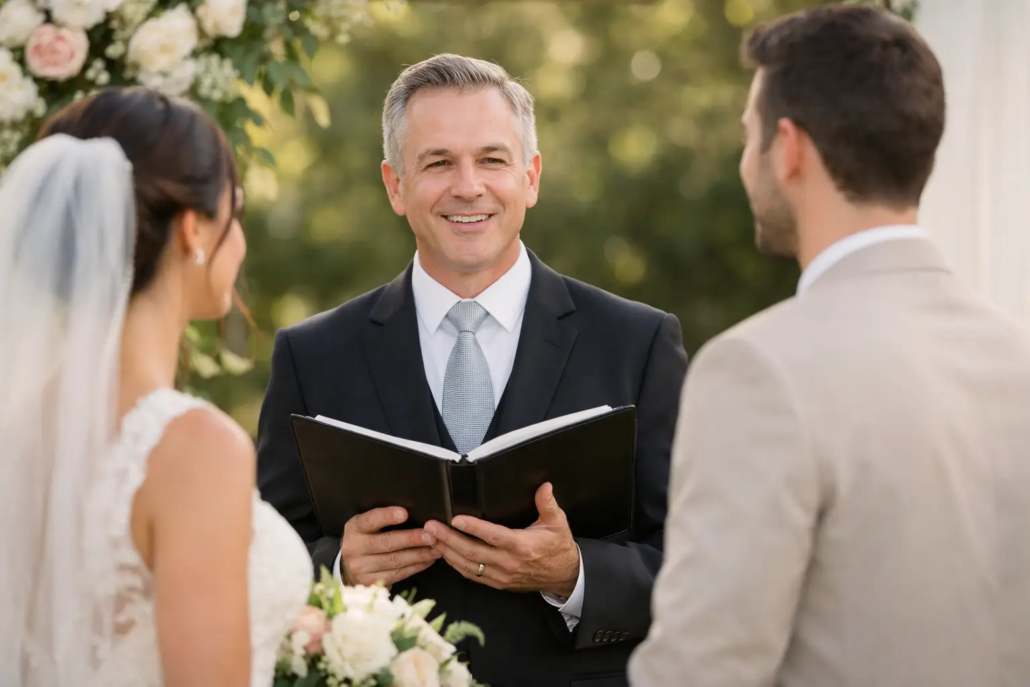
A lot of couples start by asking, what does a wedding officiant do, and the honest answer is more than most people realize. Yes, an officiant stands at the front and leads the ceremony. But a great officiant also helps shape the tone, calm nerves, handle legal details, and make sure the moment feels personal instead of painfully generic.
If you have ever sat through a wedding and thought, that was sweet but it could have been any couple, you have already seen the difference. The officiant is not just there to talk. They help turn a timeline into a real ceremony, one that sounds like you, fits your comfort level, and works for the people you love.
What does a wedding officiant do before the ceremony?
Most of the real work happens before anyone walks down the aisle. A wedding officiant gets to know the couple, explains ceremony options, and helps build a structure that fits the kind of wedding they are actually having.
That might mean a short and simple legal signing for an elopement. It might mean a fully personalized ceremony with stories, vows, family participation, and cultural or spiritual elements. It might also mean helping a couple figure out what they do not want, which is often just as useful. Not everyone wants a long ceremony. Not everyone wants religion included. Not everyone wants to speak in front of 150 people without a little coaching first.
A good officiant helps with those decisions without making the process feel heavy. They can suggest an order of ceremony, explain what is traditional versus optional, and help you find a version that feels comfortable. For couples planning in Seattle and Western Washington, that flexibility matters. Some weddings are in backyards, parks, mountain lodges, private homes, or city venues with tight time windows and weather backup plans. The ceremony needs to work in real life, not just on paper.
They create and personalize the ceremony
This is where officiants really earn their place. A personalized wedding ceremony does not happen by accident.
An officiant can write or adapt the ceremony script, help with vows, suggest readings, and weave in details about your relationship. They may ask how you met, what you love about each other, how you want guests to feel, and whether you want the ceremony to be more romantic, more lighthearted, more traditional, more modern, or some blend of all four.
That personalization can be subtle or deep. Some couples want a clean, elegant ceremony with just a few custom touches. Others want something highly tailored, with a love story, bilingual sections, blended family moments, or rituals that reflect their culture or beliefs. Neither approach is better. It depends on your personalities, your guests, and what feels meaningful instead of performative.
A skilled officiant also knows how to balance different needs in the same room. Maybe one partner wants something secular, while the other wants a brief spiritual reference. Maybe your families expect tradition, but you want the ceremony to still feel modern and true to you. That middle ground is often where the best officiants shine.
What does a wedding officiant do during the wedding?
On the wedding day, the officiant leads the ceremony and keeps it moving with confidence and warmth. That sounds simple until you remember that weddings are emotional, timing is unpredictable, and someone is almost always forgetting where to stand.
The officiant sets the tone from the first words. They welcome guests, guide the couple through each part of the ceremony, cue readings or vows, and make sure the legal declaration is included. They also manage the flow so the ceremony feels natural rather than stiff.
Just as important, they act as a steady presence. If one of you is nervous, they help you breathe and slow down. If a reader misses their cue, they recover smoothly. If the wind picks up your pages at an outdoor ceremony, they keep going without making it a whole production. Those small moments matter more than couples expect.
A good officiant is part speaker, part guide, part calm adult in the room. That is especially valuable for intimate weddings and elopements, where every person present carries more emotional weight and there is less space to hide awkwardness.
They handle the legal side too
This is the part couples sometimes overlook until the week of the wedding, which is never the most relaxing time to discover paperwork questions.
An officiant’s legal role is to solemnize the marriage according to state requirements and complete the marriage license correctly. In Washington, that generally means making sure the ceremony includes the legal elements required for marriage and then signing the license along with the couple and witnesses if witnesses are required for that license process.
The exact logistics can vary, and couples should always follow current county and state rules, but the main point is this: your officiant is not only there for the emotional experience. They also help make sure the marriage is legally recognized.
That said, not every officiant provides the same level of support around paperwork. Some simply sign. Others explain the process in advance, remind you what to bring, and help prevent common mistakes. If you are planning a short-notice wedding, an elopement, or a ceremony with moving parts, that practical guidance can save a lot of stress.
They rehearse, troubleshoot, and keep everyone comfortable
Many officiants also help with rehearsal guidance, whether that is a full formal rehearsal or a quick same-day walkthrough. This can include where to stand, when to hand off bouquets, how to cue music, and how to avoid the classic wedding move of turning your back to half the guests.
This support is especially helpful when family members are involved. A couple may want children included, parents walking them in, or friends doing readings. Those additions can be lovely, but they also create more chances for confusion. An experienced officiant helps everyone know what to expect.
There is also a more personal side to this role. Weddings bring out nerves, family dynamics, big feelings, and occasionally strong opinions from people who are not actually getting married. A good officiant keeps the focus where it belongs and helps the couple feel supported, not managed.
Not all officiants do the same job
This is where it gets more nuanced. When couples ask what does a wedding officiant do, they are often really asking what kind of officiant they need.
Some officiants offer basic legal ceremonies and little customization. Some are religious leaders working within a specific faith tradition. Some specialize in highly personalized, non-denominational ceremonies. Others are especially experienced with elopements, bilingual weddings, LGBTQ+ weddings, or short-notice events.
None of those options is automatically right or wrong. The best fit depends on your priorities. If your main goal is to get legally married with minimal fuss, a simple signing may be perfect. If you want the ceremony to feel like the emotional center of the day, you will probably want someone who spends more time on customization and guidance.
This is also why price ranges vary. You are not only paying for the 15 to 30 minutes someone spends speaking at your wedding. You are often paying for planning time, writing, revisions, communication, legal knowledge, rehearsal support, and the ability to make the whole experience feel easy.
How to tell if an officiant is the right fit
The easiest way to tell is to pay attention to how they talk about ceremonies. Do they speak in a way that feels inclusive and adaptable? Do they seem interested in your story, or are they steering you toward one standard script? Do they explain the process clearly? Do you feel calmer after talking with them?
That last question matters. Your officiant should lower your stress level, not raise it.
For many couples, especially those planning something intimate or unconventional, the right officiant becomes one of the most reassuring people in the process. They help turn a vague idea into a ceremony that actually works. They know when to offer structure, when to keep things simple, and when to remind you that no, you do not need to do anything just because Pinterest said so.
At Forever, Together, that is exactly how we see the role. The ceremony should feel personal, supported, and easy to say yes to.
When you choose the right officiant, you are not just hiring someone to pronounce you married. You are choosing the person who helps create the moment you will remember when the flowers are gone, the music has ended, and the day finally gets quiet.