
Interfaith Wedding Ceremony Guide for Couples
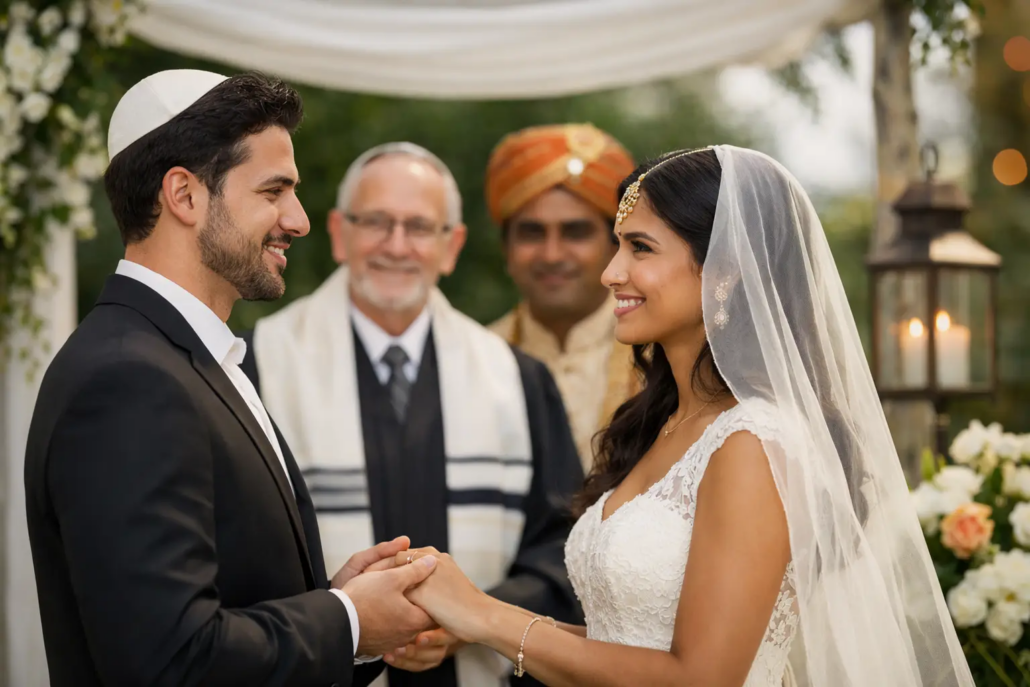
When two people come from different faith backgrounds, the ceremony can feel like the part of wedding planning with the most heart – and the most pressure. A good interfaith wedding ceremony guide does not hand you a rigid script. It helps you make thoughtful choices so the ceremony feels respectful, personal, and calm for everyone involved, especially the two of you.
For many couples, the challenge is not whether an interfaith wedding can work. It can. The real question is how to build a ceremony that honors meaningful beliefs, welcomes both families, and still feels like your wedding instead of a committee project. That balance is possible, but it usually starts with clarity before it starts with wording.
What an interfaith wedding ceremony guide should help you decide
The most useful place to begin is not with readings or rituals. It is with expectations. Each of you should talk honestly about what matters most, what feels flexible, and what does not fit. Sometimes one partner wants a prayer because faith is central to daily life. Sometimes both partners identify culturally with a religion but prefer a mostly secular ceremony. Sometimes the biggest concern is not the couple at all – it is how to include parents or grandparents in a way that feels loving without turning the ceremony into something unrecognizable.
This is where couples often get stuck. They think they need to represent both traditions equally in every part of the ceremony. That is not always true. Equal does not have to mean symmetrical. One ceremony might include a blessing from one tradition and a ritual from another. Another might keep the spoken ceremony simple and honor family heritage during the processional, music, or reception. The right choice depends on your relationship to your faith backgrounds, not on outside ideas of fairness.
Start with shared values before ceremony details
Before you choose any ceremony elements, talk about the purpose of the ceremony itself. Do you want it to feel sacred, family-centered, joyful, traditional, modern, intimate, or all of the above? Those answers shape everything else.
If you begin with details too soon, it is easy to end up debating whether a certain prayer or custom belongs in the ceremony without understanding why it matters. But when you know the feeling you want to create, decisions get easier. A couple who wants a warm, inclusive ceremony for guests of many backgrounds may choose language that explains traditions briefly and avoids assuming shared beliefs. A couple who wants a deeply spiritual experience may decide to include more explicit religious references, while still making the ceremony welcoming.
This conversation also helps you identify your non-negotiables. Maybe one of you strongly wants a ketubah signing, communion, a chuppah, a family blessing, or a moment of silence. Maybe the other partner is comfortable with spiritual language but not with statements of doctrine they do not personally share. Those are not small details. They are the building blocks of a ceremony that feels honest.
How to include both faith traditions without crowding the ceremony
One of the most common worries couples have is ending up with a ceremony that feels patched together. That usually happens when too many elements are added without enough structure.
A thoughtful interfaith wedding ceremony guide should remind you that not every meaningful tradition has to happen during the main ceremony. Some customs work beautifully before guests arrive, in a private moment with family, or at the reception. Moving a tradition to a different part of the day is not a rejection of it. Often, it gives that tradition more space and intention.
When you do include multiple faith elements in the ceremony, the key is context. Guests do not need a lecture, but a sentence or two of explanation can make a huge difference. If you are incorporating a ritual from one tradition and a reading from another, brief framing helps everyone understand what they are witnessing and why it matters to you. That keeps the ceremony feeling connected rather than random.
Tone matters too. Some couples want a formal ceremony with sacred language. Others want something grounded and conversational. Either can work well in an interfaith ceremony. The important thing is consistency. If one part feels deeply traditional and the next feels like it came from a different event entirely, the ceremony can lose its emotional flow.
Family expectations are real, and they need a plan
Interfaith weddings often carry unspoken hopes from relatives. Sometimes those hopes are loving and gentle. Sometimes they arrive with opinions, urgency, and a few surprise emails.
It helps to decide early whose expectations will influence the ceremony and whose will simply be acknowledged with kindness. You do not need to crowd your ceremony with every requested element to prove respect. In fact, trying to please everyone usually creates more tension, not less.
A better approach is to choose a few intentional ways to honor family connection. That might mean inviting a parent to do a reading, including heirloom items, using both cultural names for a ritual, or sharing a private blessing before the ceremony begins. These gestures can carry a lot of emotional weight without shifting the entire ceremony away from who you are as a couple.
If difficult conversations are coming, have them before the script is finalized. It is much easier to explain your vision early than to defend every line later. Be warm, be clear, and stay united. Families tend to respond better when they see that decisions were made thoughtfully rather than casually.
Choose an officiant who can hold the whole room
In an interfaith ceremony, the officiant matters more than many couples realize. This is not just someone reading words at the front. This person is setting tone, creating emotional safety, and helping people from different backgrounds feel included.
A strong officiant knows how to pronounce names correctly, explain traditions simply, and move between sacred and personal moments without sounding stiff or awkward. They also know when less is more. If a ceremony tries too hard to cover every possible perspective, it can start to feel performative. The goal is not to impress guests with how balanced the ceremony is. The goal is to make everyone feel the sincerity of it.
It also helps to work with someone who is comfortable customizing language rather than pushing a standard script. Interfaith couples rarely fit neatly into a template. Some want God mentioned often. Some prefer universal language about love, commitment, and family. Some want bilingual elements woven in naturally. In Western Washington, where guest lists often include a mix of traditions, beliefs, and backgrounds, flexibility is not a luxury. It is part of what makes the ceremony work.
Building a ceremony that feels clear and personal
Most interfaith ceremonies flow well when they keep a simple structure. A welcome sets the tone. A few words about the couple and the meaning of marriage create connection. Readings, blessings, or rituals can then be included with intention. Vows and ring exchange remain the emotional center. A closing blessing or pronouncement brings everyone together.
What changes is the language and the selection of elements within that structure. For example, if you are including two faith traditions, it often helps to choose one or two meaningful pieces from each rather than trying to represent everything. Depth tends to land better than quantity.
You should also think carefully about readings. They can be one of the easiest ways to honor multiple backgrounds without making the ceremony feel crowded. A sacred text, poem, or family blessing can add emotional resonance, especially when each reading genuinely reflects your values. The reading does not have to come from a religious source to belong in an interfaith ceremony. It just needs to feel true to you.
Music can do a lot of work here too. Sometimes couples focus so heavily on the spoken ceremony that they overlook how music can honor heritage, create warmth, and signal inclusion before anyone says a word.
Give yourselves permission to make it yours
There is no prize for creating the most perfectly balanced interfaith wedding. There is only the question of whether the ceremony feels like an honest reflection of your relationship.
That may mean blending traditions closely. It may mean choosing a mostly secular ceremony with quiet nods to each faith. It may mean one partner’s tradition appears more visibly because that is what feels authentic to both of you. What matters is that the choices are intentional and shared.
At Forever, Together, we have seen that the most meaningful ceremonies are usually not the most complicated ones. They are the ones where couples feel supported enough to stop performing for expectations and start choosing what actually fits.
If you are planning an interfaith ceremony, give yourselves more grace than pressure. You do not need to solve centuries of theology in twenty minutes. You just need a ceremony that welcomes the people you love, respects what matters, and lets the two of you begin marriage feeling steady, seen, and fully yourselves.