
11 Best Unity Ceremony Alternatives for Couples
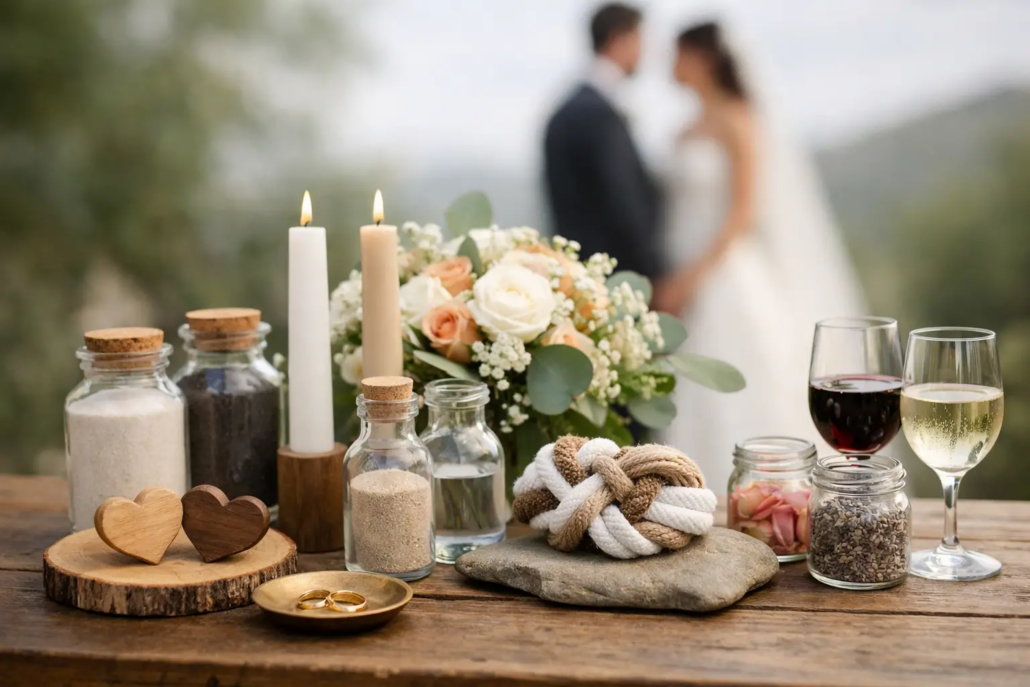
A unity ceremony should feel like a natural part of your wedding, not a craft project squeezed between the vows and the kiss. The best unity ceremony alternatives give you a meaningful moment of connection without asking you to pour sand, light a candle, or perform a tradition that simply does not sound like you.
For some couples, that means including family in a visible way. For others, it means a quiet ritual shared only between the two of you. There is no rule requiring a unity ceremony at all, but when you choose one with intention, it can become one of the most personal parts of your celebration.
How to Choose the Best Unity Ceremony Alternatives
Start with one question: what do you want this moment to say? Maybe you are blending families, honoring a cultural background, recognizing a long-distance relationship, or making promises about the kind of home and community you want to build. A good ritual expresses something real about your partnership.
Practical details matter, too. An outdoor wedding in Seattle or Western Washington may not be the best setting for an open flame. A full guest participation ritual can be lovely, but it may add time to a short ceremony. If you are eloping, a private ritual may carry more meaning than one designed for an audience.
The right choice is the one that fits your story, your setting, and your comfort level. It does not need to be elaborate to be memorable.
1. Handfasting
Handfasting is an old tradition that has found a welcome home in modern secular, spiritual, and interfaith weddings. During the ritual, cords, ribbons, fabric, or meaningful textiles are gently wrapped around your joined hands while your officiant explains the promises they represent. The phrase “tying the knot” is often associated with this practice, which gives the moment a little history without making it feel stuffy.
This is a wonderful option for couples who want something visual and symbolic but do not want to use a candle or sand. You can choose colors that represent qualities you value, use fabric from a family member’s garment, or invite loved ones to place a cord around your hands. Keep the wording focused on your relationship rather than treating the ritual as a costume or borrowing from a culture that is not yours.
2. A Shared Drink or Tea Ceremony
Sharing a drink is simple, intimate, and easy to personalize. You might toast with champagne, share coffee if that is part of your everyday life, sip a favorite whiskey, or blend two teas into one cup. The gesture can represent hospitality, the sweetness and complexity of marriage, or the choice to share both celebration and ordinary days.
A tea ceremony can also be a deeply meaningful way to honor family and cultural heritage. If it is part of your background, you may choose to serve tea to parents, grandparents, or other elders as a sign of gratitude and respect. The important part is giving the moment enough time and context, especially when guests may be unfamiliar with its significance.
For a shorter ceremony, the two of you can simply share one cup after your vows. It takes less than a minute, photographs beautifully, and feels genuinely warm.
3. Planting Something Together
A tree, plant, or small garden ritual can symbolize the care, patience, and steady attention a marriage needs. Each partner adds soil or water, then you take the plant home to tend together. It is especially fitting for couples who love the outdoors, share a home with a yard or balcony, or want a living reminder of the day.
There are a few practical trade-offs. Soil can be messy, potted plants can be heavy, and a ceremony site may not allow digging. A small potted plant is usually the easiest choice. If you are marrying at a park, on a beach, or at a venue with tight cleanup rules, consider watering a plant beforehand and displaying it during the ceremony instead.
You can also involve children by giving them a small role in adding soil or placing a stone in the pot. That said, young helpers sometimes have very big enthusiasm. A little planning and a towel nearby can keep the moment joyful rather than chaotic.
4. Writing Letters for the Future
Instead of performing a ritual in front of everyone, write letters to each other before the wedding and place them in a keepsake box during the ceremony. You may decide to open them on your first anniversary, during a difficult season, or on a date you choose together. Some couples include a bottle of wine, favorite photographs, or notes from family and friends.
This option works beautifully for private people because the emotional center of the ritual belongs to you. Your officiant can introduce the box and explain its purpose without revealing what you wrote. It also works well for elopements and small weddings where you want a meaningful pause but do not want a lengthy performance.
If you want to involve guests, invite them to bring or write short notes of encouragement. Just be realistic about timing. Collecting notes before the ceremony is much smoother than passing cards around while everyone is waiting for dinner.
5. A Family Promise Ritual
When children are part of the marriage, a unity ritual can acknowledge the new family being formed without putting anyone on the spot. This might include a family vow, in which the couple promises support and care to the children, followed by age-appropriate promises from the children if they want to participate.
The key word is want. Children should never feel pressured to make a public declaration or express emotions they are still sorting out. A younger child may be happier placing a handprint in a keepsake, presenting rings, or joining in a group hug. Older children may prefer reading a short passage, adding an item to a time capsule, or simply standing with you for a few words.
A thoughtful family ritual recognizes that blended families are built through patience, trust, and everyday care. It does not need to pretend that every relationship has the same timeline or feeling on the wedding day.
6. Ring Warming
A ring warming allows wedding bands to be passed among a small group of guests before the ring exchange. Each person holds the rings for a moment and silently offers a wish, blessing, prayer, or hope for your marriage. By the time the rings reach you, they have been held by the people who are supporting your life together.
This can be incredibly moving at an intimate wedding. It is less practical for a large guest list, where the rings may take too long to travel or may create unnecessary anxiety. A good compromise is limiting the warming to immediate family, a wedding party, or a handful of chosen loved ones seated near the front.
If you use this ritual, assign one trusted person to keep the rings moving and make sure they return to your officiant before the exchange. Romance is wonderful. Searching the third row for a wedding band is less wonderful.
7. A Community Blessing or Guest Response
Your guests have already witnessed your relationship. A community blessing gives them a brief opportunity to affirm their support for your marriage. Your officiant can ask a simple question, such as whether those gathered promise to encourage you, celebrate with you, and offer care through the years ahead. Guests can respond together with “We do,” “We will,” or another phrase that feels right to you.
This option is especially meaningful when your chosen family, longtime friends, or faith community have played an important role in your lives. It is also one of the easiest rituals to include because it requires no supplies, no cleanup, and very little added ceremony time.
For a bilingual wedding, the question and response can be offered in both languages so everyone can participate fully. A shared response creates a lovely sense of togetherness without asking individual guests to speak publicly.
8. A Cultural or Heritage Ritual
Many couples want to honor heritage through a wedding tradition, whether that includes a lasso, arras coins, a chuppah, a broom-jumping tradition, a garland exchange, a garter ritual, or another meaningful practice. When the tradition is connected to your family, faith, or culture, it can add depth and continuity to a personalized ceremony.
There is no need to include a tradition just because someone says you are supposed to. Ask what the ritual means to you, who should participate, and how much explanation your guests will need. It is also okay to adapt a tradition respectfully when you are blending backgrounds or planning a secular ceremony. The goal is not perfection. It is creating a moment that honors where you come from and the life you are building.
9. Make a Ritual From Your Real Life
Sometimes the most meaningful unity ceremony alternative is not a known wedding tradition at all. Maybe you both love cooking and want to add spices to a small jar for a meal you will make on your anniversary. Maybe you met through hiking and want to place stones from favorite trails into a keepsake bowl. Maybe you want to sign a framed map of the place you met, your first home, or the city where you are getting married.
The best ideas usually come from the details you might otherwise dismiss as ordinary. The playlist you made together, Sunday morning pancakes, ferry rides, your rescue dog, a favorite board game – these are often the things that make a ceremony feel unmistakably yours.
A personalized wedding ceremony has room for meaningful tradition, a little humor, and a moment that belongs only to the two of you. Choose the ritual that makes you feel more connected, not more performative. Years from now, that is the part you will remember.