
What Happens After a Ceremony? Wedding Next Steps
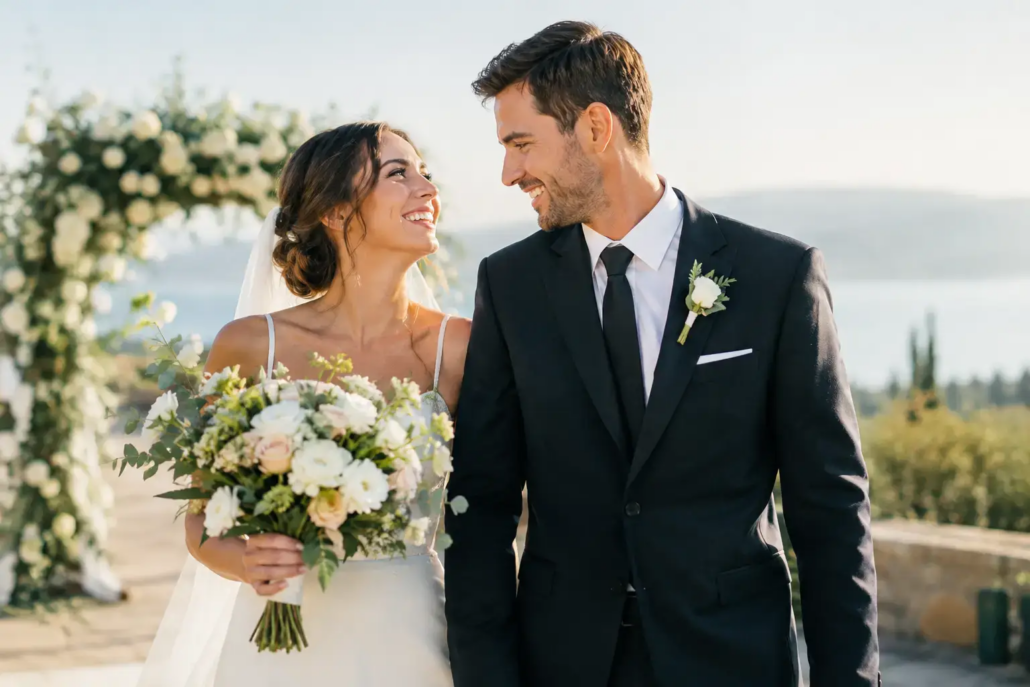
The moment you hear, “You may kiss,” your wedding ceremony is complete – but the day is far from over. When couples ask, “what happens after ceremony?” they may mean the legal paperwork, the order of family photos, the grand entrance, or simply where they are supposed to go while everyone cheers. The good news: a little planning keeps this transition joyful instead of awkward.
The best next step depends on the kind of celebration you are having. An elopement at a Seattle park has a different rhythm than a 150-person wedding at a Snohomish venue. Still, nearly every couple has two things to handle after the ceremony: making the marriage official on paper and creating space to celebrate the fact that you just got married.
What happens after the ceremony, legally?
In Washington, your marriage becomes legally valid when the ceremony has taken place and the marriage license is completed correctly. Your officiant, both witnesses, and the couple sign the license as required. The signing can happen immediately after the ceremony, before guests arrive, during cocktail hour, or at another quiet moment that makes sense for your timeline.
Many couples choose a private signing with their officiant and witnesses right after the recessional. This keeps the ceremony itself focused on the meaningful moments rather than paperwork. Others enjoy signing in view of their guests, especially for intimate celebrations where it feels like a shared part of the experience. Neither choice is more official. It is simply a matter of what feels comfortable and fits the flow of your day.
Your officiant then returns the completed license to the county that issued it. In Washington, the completed license generally must be returned within 30 days of the ceremony. Once the county records it, you can order certified copies of your marriage certificate. Those certified copies are what you may need later for a name change, insurance, benefits, banking, immigration paperwork, or other administrative updates.
A few practical reminders can prevent avoidable stress. Make sure the license is from the correct county and still valid on your wedding date. Washington licenses have a waiting period and an expiration window, so do not wait until the last minute to confirm the dates. Keep the license in a safe, dry place and designate one person to bring it to the ceremony. Your officiant can guide the signing, but they cannot recreate a lost license with wedding-day magic.
Take a breath before the next event
After the recessional, couples often get swept into a blur of hugs, photos, questions, and well-meaning relatives calling their names. Build in ten private minutes if you can. Step into a quiet corner, share a drink of water, eat a bite of something, and let the reality of the moment land.
This pause is especially valuable if you have written personal vows, included children or family members, honored cultural traditions, or carried a lot of emotion into the day. You do not need to perform happiness for anyone. You just made a commitment in front of people you love. Give yourselves a moment to be together before joining the party.
For an elopement or a small weekday ceremony, this may be as simple as a walk, a few portraits, or a celebratory coffee afterward. For a larger wedding, it may be the few minutes between your exit and family photographs. Small pockets of calm are not wasted time. They often become the moments couples remember most clearly.
Plan the post-ceremony flow before guests arrive
Guests are happiest when they know what to do next. A clear announcement from your officiant, planner, DJ, or venue coordinator helps everyone move naturally into cocktail hour, refreshments, a group photo, or the reception space.
If you are taking family photographs, create a short list in advance and give it to the photographer or a trusted helper. This is much easier than trying to gather Aunt Maria, two siblings, three children, and a grandparent who has wandered toward the bar. Keep the list focused on the photos that matter most to you. You can always take more relaxed photos during the reception.
For many weddings, the natural sequence is recessional, a few private minutes, license signing, family portraits, couple portraits, then cocktail hour or a reception entrance. But it does not have to be that way. You might sign the license before guests arrive, take portraits before the ceremony, or skip a formal reception entirely in favor of dinner with your closest people. A personalized ceremony deserves a personalized transition afterward, too.
If guests are waiting during photos
Give them something pleasant to do. Drinks and light bites are the classic option, but a coffee bar, lawn games, a photo display, or a playlist can also set the tone. At a short ceremony or elopement, guests may simply stay nearby for congratulations and a group photo before everyone heads to dinner.
The trade-off is timing. A longer photo session gives you more portraits and a calmer experience, but it can reduce the time you spend with guests. If connecting with everyone matters more than a large formal photo gallery, keep family combinations tight and take a few candid couple portraits later in the evening.
Make the exit feel like an entrance to the celebration
A ceremony exit is optional, but it can be a genuinely fun transition. Your guests can cheer, toss flower petals where permitted, wave ribbons, ring small bells, or simply line the aisle and offer hugs. Confirm venue rules first, particularly for public parks, indoor spaces, and waterfront locations. Confetti and certain send-off materials can create cleanup problems or be prohibited altogether.
You can also skip the staged exit. Some couples prefer to walk directly into cocktail hour, greet each guest, and enjoy the easy energy of the first few minutes as newlyweds. That is just as celebratory. There is no wedding rule saying you must disappear after the kiss only to be announced again ten minutes later.
If you are having a reception, consider whether you want a formal grand entrance. It can add excitement and give your wedding party a moment in the spotlight. It can also feel like more production than you want. For a relaxed, intimate gathering, walking in together and heading straight to the people you love may be the better fit.
The first hour of your marriage is yours to shape
After the legal details are handled, the rest is about connection. Maybe that means a champagne toast overlooking Puget Sound, a taco truck at a backyard wedding, a first dance under string lights, or a quiet dinner after a courthouse-style signing. Maybe it means gathering your children in a hug, speaking Spanish with grandparents who traveled far to be there, or honoring a family tradition in a way that feels true to both of you.
There is room for all of it. A meaningful wedding does not require a packed schedule, and a simple ceremony does not mean the celebration has to feel small. The most memorable post-ceremony plans are usually the ones that reflect your actual relationship, not a timeline copied from someone else’s wedding.
A few details to assign before the wedding day
You should not be the person solving logistics in formalwear. Choose a trusted friend, coordinator, or family member to handle practical questions after the ceremony. They can direct guests, protect your private time, gather family members for photos, and make sure personal items get where they need to go.
It also helps to decide who is responsible for gifts, cards, your overnight bag, and any decorative items you want saved. If you are changing locations between ceremony and reception, confirm transportation and build in extra time for Seattle-area traffic, ferry schedules, parking, or rainy-day adjustments. A flexible plan is not an overplanned plan. It is how you stay present when real life happens.
A caring officiant can also help set expectations before the ceremony begins. At Forever, Together, we make sure couples understand the license signing process and the next steps so there is one less thing to wonder about while you are getting married.
When the ceremony ends, do not rush past the feeling you worked so hard to create. Sign what needs signing, take the photos that matter, and then let yourselves be celebrated in a way that feels unmistakably like you.