
Wedding Ceremony Rehearsal Tips That Keep Calm
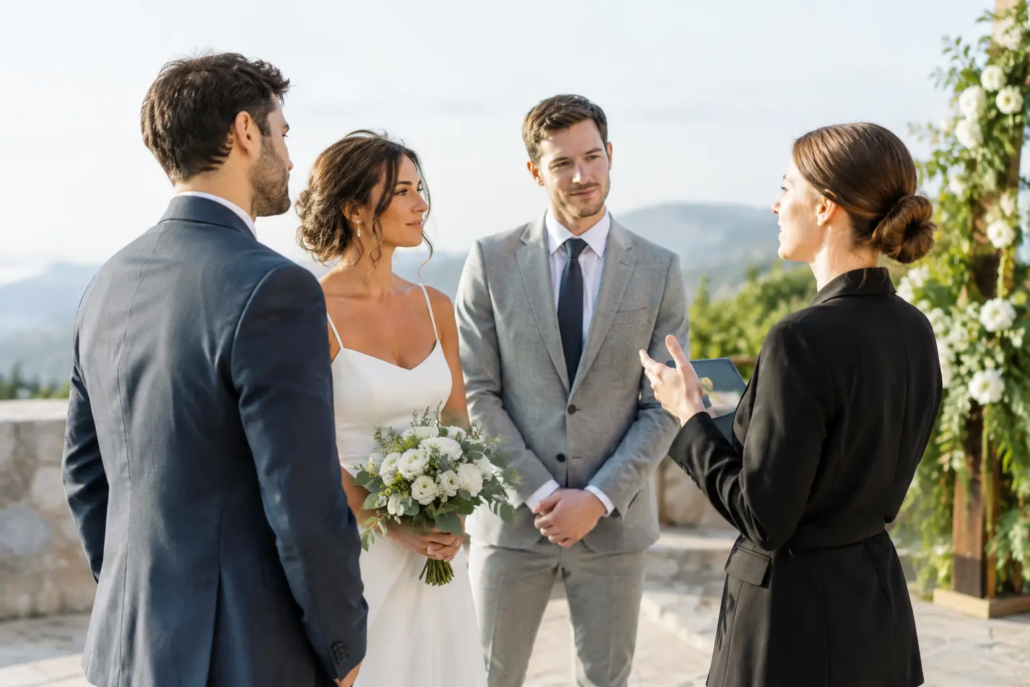
A rehearsal is not a performance review of your wedding party. It is a chance to remove the little question marks that can make a ceremony feel more stressful than it needs to be. The best wedding ceremony rehearsal tips focus on clarity, not perfection: who stands where, when people move, how vows are handled, and what happens if real life interrupts the plan.
For couples planning a celebration in Seattle or Western Washington, that last part matters. A waterfront breeze, a late ferry, an eager flower child, or a sudden rain shower can all make an appearance. A thoughtful rehearsal gives everyone a shared plan, plus enough flexibility to enjoy the moment when the day arrives.
Start With the Ceremony, Not the Processional
Many rehearsals begin with walking down the aisle because it is the most visible part. That is useful, but start by briefly explaining the ceremony itself. Your wedding party, parents, readers, and anyone participating should understand the shape of the moment they are helping create.
Tell them where the officiant will stand, where the couple will stand, and whether the wedding party will remain at the front or take seats after the processional. Explain when the rings will be needed, when a reader will approach, and whether there is a unity ritual, cultural tradition, or family participation. A two-minute overview prevents a surprising number of mid-ceremony glances.
If you are having a bilingual ceremony, rehearse the transitions between languages. Participants do not need to memorize the entire script, but they should know when they are being introduced and what cue brings them forward. This is especially helpful for readings, family blessings, and any portion where a guest will speak in Spanish and English.
Decide Who Actually Needs to Attend
A full rehearsal can be lovely, but it is not mandatory for every wedding. For a simple elopement or a short legal signing, a quick walkthrough with your officiant may be all you need. For a larger ceremony with a wedding party, parents, children, readers, musicians, or multiple traditions, gathering the key people is worth the time.
The people who should ideally attend are the couple, officiant, wedding coordinator if you have one, wedding party members, parents or escorts walking down the aisle, readers, ring bearers, flower children, and anyone involved in a ritual. Musicians and photographers do not always need to be there, but share the final processional order and timing with them afterward.
If someone cannot attend, do not panic. Send a simple written order of events, including their arrival time, where to stand, and who will cue them. One reliable point person can quietly help them on the wedding day.
Practice the Processional at a Comfortable Pace
Most people walk too quickly during a rehearsal because they are trying to get it over with. On the wedding day, invite everyone to slow down. A calm pace gives guests time to see each person, gives photographers room to capture the entrance, and lets the music breathe.
Practice the order exactly as you want it to happen. This includes grandparents and parents if they will be seated, the wedding party, any children, and each partner’s entrance. Decide whether people will walk alone, in pairs, or with an escort. There is no single correct order. What matters is that it fits your people and feels natural to you.
Have everyone practice where they will stand once they reach the front. A common issue is a wedding party forming a straight line that blocks the view of the couple. A gentle angle or slight curve often looks better and keeps the focus where it belongs. If dresses, uneven ground, stairs, or a narrow aisle are involved, a single practice walk can make everyone feel much more confident.
Give Children a Flexible Job
Children are wonderful, unpredictable participants. Ask a flower child or ring bearer to do their best, then make peace with whatever version of success arrives. They may scatter every petal at once, carry an empty box, freeze halfway down the aisle, or decide a parent is the only safe destination.
Assign an adult who can help without making it a big moment. If a child does not walk, the ceremony can continue beautifully. The adults around them should know that nobody needs to apologize or force the issue.
Rehearse the Important Cues, Not Every Word
Your officiant should lead the rehearsal and explain the cues that matter. Couples usually do not need to practice repeating their vows word for word. In fact, saving personal vows for the ceremony can preserve the emotion of hearing them for the first time.
Do practice the practical moments: when to join hands, when to pass the rings, when to turn toward a reader, where to place a bouquet, and when to step aside for a unity ceremony or signing. If you plan to exchange handwritten vows, decide whether you will hold your own pages, hand them to the officiant, or have a member of the wedding party keep them until the right moment.
Also rehearse the kiss. Not the kiss itself, necessarily, but the positioning. Your officiant can step to the side before the pronouncement so the first photo is of the two of you, not the back of someone standing between you. It is a tiny adjustment with a big visual payoff.
Create a Plan for the Marriage License
The legal paperwork deserves its own quick conversation. Decide who will bring the marriage license, who will hold it before the ceremony, and where it will be signed afterward. Do not leave it in a hotel room, a car, or the bottom of a bag that goes home with someone else.
In Washington, couples need the required signatures after the ceremony, so make sure the designated witnesses understand where they need to be when the time comes. Your officiant can guide this process, but naming the responsible person ahead of time keeps the post-ceremony celebration from becoming a paperwork scavenger hunt.
Walk Through Your Weather and Venue Backup Plan
Outdoor weddings deserve a Plan B that is real, not merely optimistic. At the rehearsal, identify the covered space, indoor option, or alternate ceremony layout. Let the wedding party know how they will be notified if the location changes. If your venue has a noise restriction, a tight curfew, or a long walk between the ceremony and reception, go over that too.
Consider the guest experience as well. A ceremony facing direct afternoon sun can leave everyone squinting, while a windy overlook may require microphones, clips for loose papers, or a simpler unity ritual. You do not have to control every condition. You just need a plan that protects the meaning of the ceremony if conditions shift.
Keep the Rehearsal Short and Kind
Most rehearsals take about 30 to 45 minutes. Longer is not automatically better. People will retain the key information when the process is clear, focused, and relaxed.
Before everyone leaves, confirm three things: the arrival time on the wedding day, where participants should gather, and who will answer questions if you are busy getting ready. Thank the people who showed up for you. Then let the group go enjoy dinner, rest, and anticipation.
A rehearsal does not need to make your ceremony feel staged. It should do the opposite. When everyone knows their role, you are free to be present for the hand squeeze, the laughter, the vows that catch in your throat, and the moment you finally look out at the people who came to celebrate your marriage. That is the part worth rehearsing for.