
Custom Wedding Ceremonies That Feel Like You
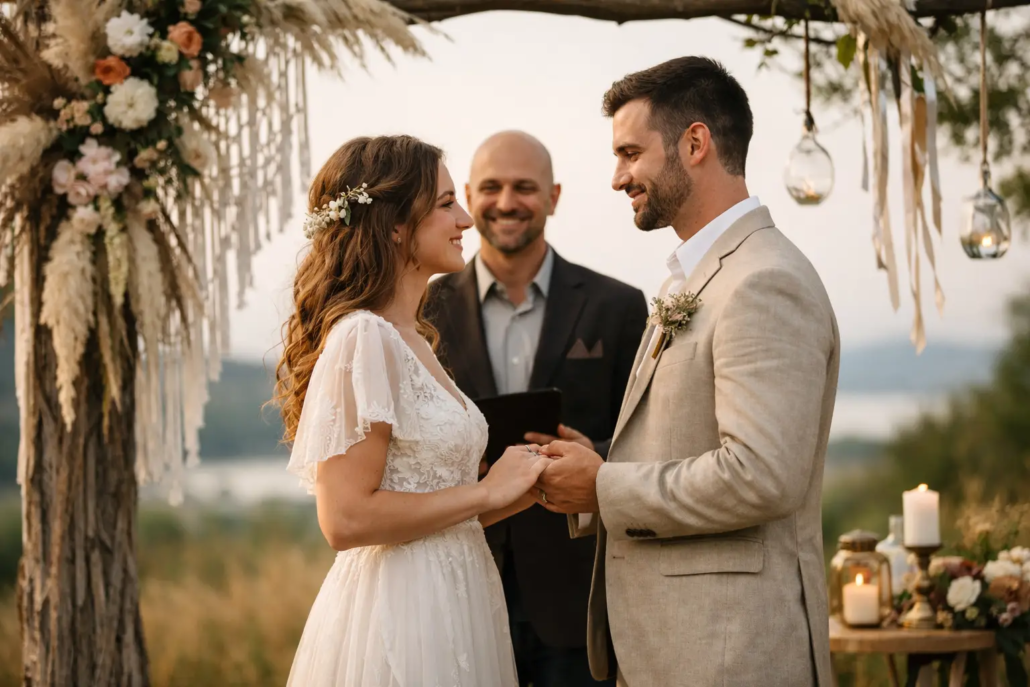
Some couples know exactly what they want the moment they get engaged. Others know what they do not want – a stiff script, awkward pauses, or a ceremony that could belong to literally anyone. That is where custom wedding ceremonies make all the difference. They give you room to create a moment that sounds like you, fits your people, and feels good from the first welcome to the final kiss.
For many couples in Seattle and Western Washington, the ceremony is the part they care about most and the part they feel least sure how to build. The reception has a clear checklist. The ceremony is more personal, which can make it harder. The good news is that it does not need to be complicated to be meaningful.
What custom wedding ceremonies actually mean
A custom ceremony is not just a fill-in-the-blank script with your names dropped in. It is a ceremony shaped around your relationship, your comfort level, your values, and the experience you want your guests to have. For some couples, that means something short, simple, and heartfelt. For others, it means weaving in family traditions, spiritual elements, personal stories, or bilingual readings.
The key is intention. A ceremony can be five minutes or twenty-five minutes and still feel deeply personal if the words, structure, and tone fit the couple standing at the center of it.
That is also why customization is not only for large weddings. Elopements, backyard weddings, courthouse-style signings, and last-minute celebrations often benefit the most from a thoughtful ceremony. When the event is smaller, every moment carries more weight.
Why custom wedding ceremonies matter more than couples expect
A lot of people start planning with flowers, venues, and food on their minds. Fair enough – those decisions are visible, urgent, and often expensive. But the ceremony is the reason everyone gathered in the first place. It sets the emotional tone for the whole day.
When a ceremony feels generic, couples notice. Guests notice too, even if they cannot quite put their finger on why. The opposite is also true. When the ceremony sounds natural and grounded in the couple’s story, people lean in. They laugh at the right moments. They tear up when it feels honest. They remember it afterward.
A personalized ceremony also helps with nerves. If you are saying words that feel comfortable and true, you are much less likely to feel like you are performing. That matters for couples who are private, camera-shy, or just not excited about being the center of attention.
The parts you can personalize
This is where couples often feel relieved. You do not have to reinvent the wheel. You just get to choose which parts of the wheel matter to you.
The opening and welcome
The opening sets the mood right away. It can be warm and relaxed, more traditional, lightly humorous, or reflective. If you want your guests to feel included from the first sentence, this is where that starts.
Your story
Some couples love hearing a short story about how they met, what they admire in each other, or what brought them to this day. Others prefer to keep private details private. Both choices are completely valid. Personal does not have to mean public.
Readings, rituals, and cultural elements
This is often where custom wedding ceremonies become especially meaningful. You might include a poem, a family blessing, a unity ritual, a wine box ceremony, handfasting, or a tradition from your cultural background. If you are blending families, faith backgrounds, or languages, these elements can make everyone feel seen.
Vows and ring exchange
Personal vows can be beautiful, but they are not the only option. Some couples write their own. Some prefer repeating simple vows after the officiant. Some choose a mix – private letters for each other and classic vows during the ceremony. The right choice is the one you can say with confidence.
Guest participation
Sometimes a ceremony feels more intimate when guests have a role. That could mean a group blessing, a shared response, a reading from a sibling, or children being included in a simple and meaningful way. Sometimes less is better, especially if you want a calm, streamlined ceremony. It depends on your people and your priorities.
Custom wedding ceremonies do not have to be long
One of the biggest misconceptions is that personalized means longer. Not necessarily.
A short ceremony can still feel warm, memorable, and specific to your relationship. In fact, many couples want a ceremony that is concise but not cold. They want enough personality to make it meaningful, without turning the moment into a stage production.
That balance is absolutely possible. A well-crafted ten-minute ceremony often feels more powerful than a rambling twenty-minute one. Good customization is not about adding more words. It is about choosing the right ones.
How to decide what belongs in your ceremony
If you are not sure where to start, begin with how you want the ceremony to feel. Not how it should look on paper. Not what someone else did. Just how you want it to feel.
Do you want it to be romantic and emotional? Lighthearted and easy? Family-centered? Spiritual but not religious? Rooted in tradition with a modern tone? Once you know the feeling, the structure becomes much easier to build.
It also helps to think about what you want to avoid. Many couples come in with a very clear no-thank-you list: no preachy language, no awkward jokes, no deadnaming, no assumptions about gender roles, no pressure to include traditions that do not fit. That clarity is useful. It protects the ceremony from becoming a collection of other people’s expectations.
When family expectations are part of the picture
This comes up a lot, and for good reason. Weddings rarely involve only two opinions.
You may want a secular ceremony while a parent hopes for something more traditional. You may want a modern tone while grandparents expect a few familiar elements. You may be blending cultures and trying to honor both without making the ceremony feel crowded or confusing.
There is no one perfect formula. Sometimes the best solution is a thoughtful mix – keeping the core ceremony true to the couple while including one or two traditions that matter deeply to family. Other times, keeping things simple is the kindest choice for everyone. What matters is that you are making intentional decisions rather than defaulting to pressure.
A skilled officiant can help navigate that balance without turning the process into a debate team exercise. That support alone can remove a surprising amount of stress.
Bilingual and inclusive ceremonies need real care
Bilingual ceremonies are not just English text read twice. The pacing, tone, and flow matter. The goal is for both languages to feel natural and welcoming, not like one version is an afterthought.
The same goes for inclusive ceremony writing in general. Language around love, marriage, family, and identity should reflect the couple accurately and respectfully. That includes same-sex weddings, nonreligious weddings, mixed-faith couples, and families with different traditions around marriage.
When couples feel fully seen in the ceremony, they relax. When guests feel included, they connect more deeply. Those details are not small. They shape the whole experience.
Why the officiant matters as much as the script
You can have beautiful words on paper and still end up with a flat ceremony if the delivery is rushed, awkward, or impersonal. The officiant is not just there to stand in the middle and hold a script. They guide the pace, calm nerves, adjust to the setting, and help create a moment that feels grounded instead of mechanical.
That becomes even more important with outdoor weddings, small children, last-minute changes, weather surprises, and emotionally loaded family dynamics. In other words, weddings.
An experienced officiant knows when to keep things moving, when to pause, when to add warmth, and when to quietly solve a problem before anyone notices. For couples who want the ceremony to be the most meaningful part of the day and not the most stressful part, that experience matters.
A custom ceremony should feel easier, not harder
This is the part many couples do not expect. Personalized does not have to mean more work for you.
With the right guidance, custom wedding ceremonies actually reduce stress because you are not trying to force yourselves into a script that does not fit. You are making clear choices, getting support with wording and structure, and building something that reflects your relationship without overcomplicating it.
That might mean a full ceremony with stories, readings, and family participation. It might mean a quiet elopement on a weekday afternoon with just the legal essentials and a few heartfelt words. Both can be beautiful. Both can be personal. Both count.
At Forever, Together, that flexibility is the point. The ceremony should fit your life, your relationship, and your comfort level – not the other way around.
If you are planning your wedding and wondering whether a custom ceremony is worth it, the answer is usually simple: if you want the moment to feel like yours, it probably is. The best ceremonies are not the fanciest ones. They are the ones where you can look at each other, take a breath, and hear your own story in the words being said.