
Washington Marriage License Guide
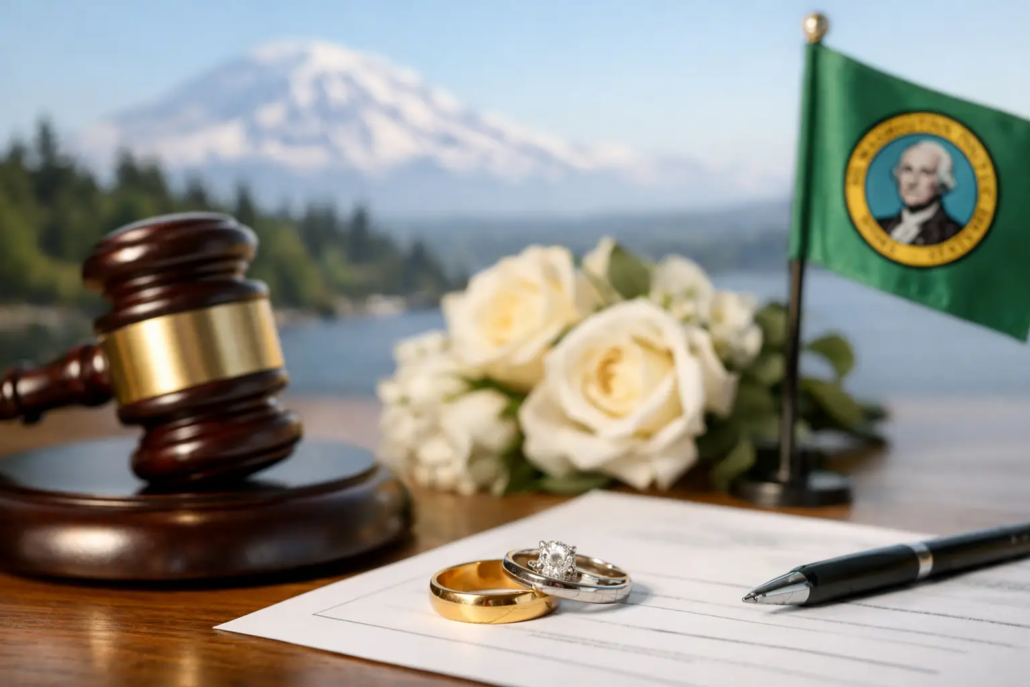
If you are planning a wedding in Seattle or anywhere in Western Washington, the paperwork part probably is not the piece you have been daydreaming about. Still, this Washington marriage license guide can save you a surprising amount of stress, especially if you are planning an elopement, a small ceremony, or a short-notice wedding and do not want one missing form to derail the day.
The good news is that getting legally married in Washington is usually pretty straightforward. The less-fun news is that timing matters, county details can vary a bit, and there are a few common misunderstandings that catch couples off guard. Once you know the basics, though, it becomes one of those tasks you can check off and stop worrying about.
Washington marriage license guide: the basics
In Washington State, you do not get married the same day you apply for your marriage license. There is a required 3-day waiting period, and that rule matters whether you are planning a large wedding, a private signing, or a last-minute elopement.
Your license is also not valid forever. Once issued, it is typically valid for 60 days. That means there is a sweet spot: apply too late, and your ceremony date could be in trouble. Apply too early, and the license may expire before the wedding.
For most couples, the simplest plan is to apply a little over a week or a few weeks before the ceremony. That gives you breathing room without cutting it too close.
Where to apply in Washington
One of the most helpful things couples learn is that you can usually apply for a Washington marriage license in any county in the state and use it anywhere in Washington. You are not locked into the county where you live, and you do not have to marry in the same county where the license was issued.
That flexibility helps a lot if you live in Seattle, are getting married in Snohomish, and found an appointment in King County first. It also helps couples planning mountain, waterfront, or courthouse-adjacent ceremonies in different parts of Western Washington.
Even so, county offices may have their own application process, appointment system, accepted payment methods, and ID requirements. Some offer online or mail-in steps. Others may prefer in-person completion for part of the process. Before you make assumptions, check the county clerk or recorder process for the county where you plan to apply.
What you usually need to apply
Most couples should expect to provide basic identifying information, pay the required fee, and show acceptable identification. In many cases, you will need details such as your full legal names, current addresses, dates of birth, and places of birth.
If either of you has been married before, you generally do not need to bring a divorce decree or death certificate to apply in Washington, but you do need to provide accurate information stating that the previous marriage ended before this one begins. Honesty matters here. The paperwork is not the place for guesswork.
Fees vary by county, so build that cost into your wedding budget early. It is not usually the biggest line item in the planning process, but it is one more thing that feels annoying if it sneaks up on you.
The 3-day waiting period can trip people up
This is the part couples most often underestimate. Washington’s waiting period means you cannot apply on Friday and get legally married on Saturday. The count starts after the application is completed, and your ceremony must take place after that waiting period has fully passed.
If your wedding is on a weekend, holiday weekend, or tied to travel plans, give yourself extra margin. County office schedules do not always line up nicely with wedding schedules. A little buffer can save a lot of panic.
This is especially important for couples planning a short engagement or coming in from out of town. If your legal ceremony date is fixed, treat the license timeline as non-negotiable.
Who can officiate your wedding in Washington
Washington allows certain authorized officiants to solemnize marriages, including judges and many ordained ministers. For couples who want something personal, flexible, and non-denominational, working with a professional wedding officiant is often the option that feels easiest and most meaningful.
The legal part is simple on paper, but the real-life experience can vary a lot. Some couples want a brief legal signing with just the essentials. Others want a customized ceremony that includes family, bilingual elements, personal vows, or a structure that honors different beliefs without feeling stiff or overly scripted.
That is where the right officiant makes a real difference. The ceremony can be heartfelt and personal without becoming complicated.
Witness requirements in Washington
Washington requires two witnesses to be present at the ceremony. They must be old enough to understand what they are witnessing, and they need to sign the marriage certificate.
For couples planning an intimate ceremony, this sometimes creates a small logistical puzzle. If you are eloping or keeping things very private, make sure you have your witness plan in place ahead of time. Do not assume strangers at the park will be your backup strategy unless you are truly comfortable with that level of spontaneity.
The witnesses do not need to be family members, and they do not need to live in Washington. They just need to be present and able to sign.
After the ceremony: what makes it legal
A wedding feels official when you say your vows, but legally, the paperwork still has to be completed correctly. After the ceremony, the officiant, both witnesses, and the couple sign the certificate as required. Then the completed license must be returned to the issuing county for recording.
This step is usually handled by the officiant, but couples should always confirm who is responsible. It is one of those details that can feel obvious until everyone assumes someone else has it covered.
Once the county records the marriage, you can order certified copies if you need them for name changes, insurance updates, immigration filings, or other legal documentation. If you know you will need multiple certified copies, it is often easier to plan for that early.
Common mistakes couples make
Most marriage license problems are not dramatic. They are just frustrating. The biggest one is waiting too long and running into the 3-day waiting period. Close behind that is applying too early and letting the license expire.
Another common issue is using nicknames or inconsistent legal names. Your marriage paperwork should match your legal identification as closely as possible. If your driver’s license says one thing and your application says another, slow down and fix it before the ceremony.
Couples also sometimes forget about witness logistics, especially for weekday elopements or very small ceremonies. And occasionally, people assume the officiant automatically files everything without ever asking. A thirty-second conversation can prevent a long administrative headache.
What if you are planning fast?
A lot of couples are not planning 12 months out. Some are organizing a wedding in a few weeks because of family schedules, military leave, travel, health concerns, or simply because they are ready and do not want to make this harder than it needs to be.
If that is you, take a breath. Washington still gives you options, but you need to move in the right order. First, check the earliest available application process in the county you want to use. Second, count the waiting period carefully. Third, confirm your officiant and witnesses before the ceremony date is locked in stone.
When the legal pieces are handled early, the rest gets lighter. You can spend more energy on the part that actually matters: creating a ceremony that sounds like you, feels like you, and does not feel borrowed from someone else’s wedding.
A few practical tips for Seattle and Western Washington couples
Weather, ferry schedules, mountain travel, and county office hours all have a funny way of becoming part of wedding planning in this region. If your ceremony is outdoors or in a destination spot, do not leave your license timeline to the last minute. Rain plans are easier to manage than legal paperwork surprises.
If you are blending traditions, planning a bilingual ceremony, or keeping things intentionally simple, the legal process does not need to limit the experience. Your marriage license is just the state requirement. Your ceremony can still be warm, personal, spiritual, secular, joyful, funny, formal, or beautifully low-key.
At Forever, Together, we see this all the time: couples feel calmer once they realize the legal side is manageable and the ceremony can still be fully their own.
Final thoughts on this Washington marriage license guide
Your marriage license is not the romantic part of the story, but taking care of it early gives you room to enjoy the rest. Get the timing right, double-check the details, and ask questions before the wedding day instead of on it. A little preparation here goes a long way toward making the ceremony feel like the easiest, happiest part of getting married.