
How to Manage Divorced Parents at Your Wedding
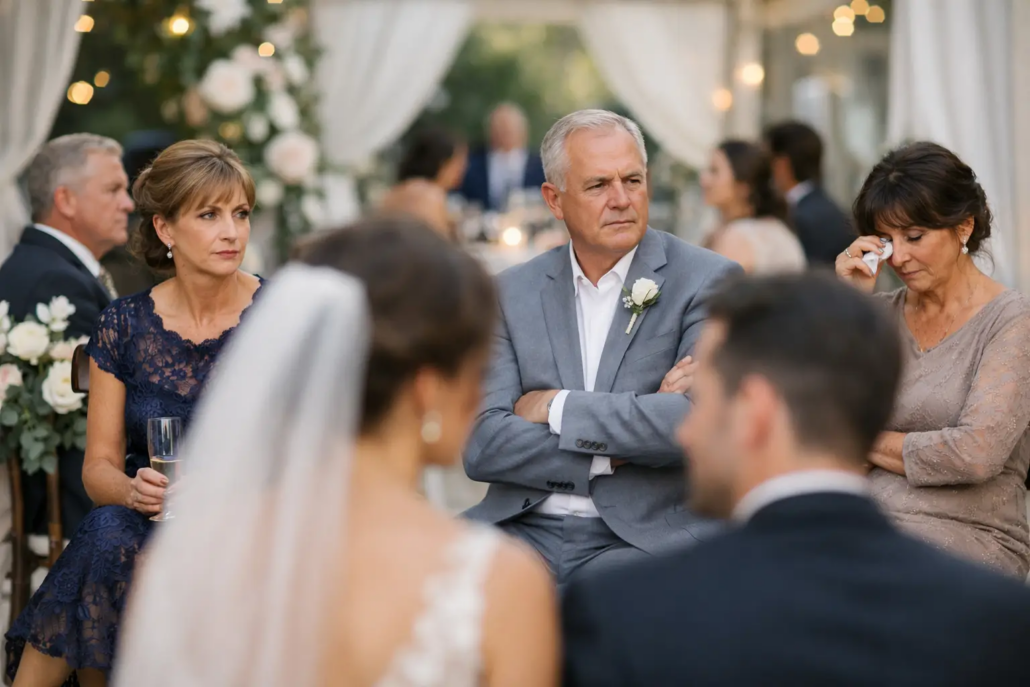
A wedding can bring out the best in a family – and sometimes the history everyone has worked hard to keep quiet. If you are wondering how to manage divorced parents at your wedding, start here: you are not responsible for repairing their relationship. Your job is to create a day that feels safe, joyful, and true to the two of you.
That does not mean ignoring the practical details. Divorced parents may have different comfort levels, new partners, strained communication, or very different ideas about what their role should be. A little early planning can prevent a great deal of last-minute tension. The goal is not a perfectly conflict-free family photo. It is a ceremony and celebration where everyone understands the plan, and where you are free to be present for your own marriage.
How to Manage Divorced Parents With Clear Expectations
The kindest approach is usually the clearest one. Talk with each parent individually before wedding plans become public family debate. Share the details that affect them directly: who is invited, whether partners are included, where they will sit, who will walk with you if anyone, and whether there are specific family traditions you plan to include.
You do not need to defend every decision or ask permission for it. Try language that is warm but firm: “We want both of you to feel included, and this is the plan that will help us enjoy the day.” That framing keeps the focus on your needs as a couple rather than inviting an argument over who deserves what.
If one parent tends to pass messages through siblings, relatives, or you, ask them directly to contact you or your partner with questions. Triangulation is exhausting during any season, but especially while planning a wedding. A simple, consistent communication channel protects your time and reduces the odds of crossed wires.
It also helps to distinguish between a request and a demand. A parent may ask not to sit next to their former spouse. That is a reasonable logistical preference you may be able to honor. They may demand that the other parent not be invited, excluded from photos, or kept away from grandchildren. Unless there is a genuine safety concern, that is a boundary for them to manage, not one for you to enforce.
Decide What “Included” Looks Like for Your Family
Inclusion does not have to mean identical roles. Every family has its own history, and fair does not always look symmetrical. One parent may be more comfortable giving a toast; another may prefer a quiet first look before the ceremony. One may be contributing financially; another may be deeply involved in emotional support. Let roles reflect your real relationships rather than a scorecard.
Think through the moments that can carry emotional weight: getting ready, walking down the aisle, the processional, readings, family photos, toasts, dances, and the rehearsal dinner. Decide which moments genuinely matter to you, then make a plan before someone assumes they have a role.
For example, you might walk down the aisle with one parent, with both parents, with your partner, or on your own. All are valid. If you choose both parents and they cannot comfortably walk together, they can escort you from opposite sides. If that feels too complicated, a parent can walk you partway, greet you at the front, or be acknowledged in another meaningful way.
A personalized ceremony offers room for these choices. Your officiant can help shape a processional that feels natural, use language that welcomes both sides of the family, and avoid traditions that create unnecessary pressure. There is no wedding rule that says you must follow a family structure that does not fit your life.
Be thoughtful about new partners
New spouses or long-term partners deserve clarity, too. If they are invited, treat them as guests rather than as afterthoughts. Make sure their place in seating and photos is understood ahead of time.
At the same time, you are allowed to set limits around highly personal moments. Perhaps family photos include parents first, then parents with partners. Perhaps only parents give toasts. Perhaps a new partner is included in the reception but not the getting-ready portion of the day. These choices are not automatically unkind. They simply need to be communicated respectfully and early enough that no one is surprised in formalwear.
Build a Seating and Photo Plan That Lowers the Temperature
Logistics can be surprisingly emotional, which is exactly why they should not be left to chance. For the ceremony, reserve seats for each parent and their household in the front rows, with enough space between groups if that will make everyone more comfortable. If they are cordial, they may happily sit near one another. If they are not, separate sections are often easier than asking adults to perform closeness for an audience.
At the reception, do not feel obligated to create a traditional parents’ table. Seat each parent with the people they know and enjoy. A well-placed cousin, sibling, or family friend can make a table feel welcoming without turning it into a diplomatic summit.
Family photos benefit from a written grouping list. Give it to your photographer, and tell them about any sensitive dynamics in advance. Start with the largest groupings, then move into separate parent combinations. A calm photographer who calls out the next grouping keeps the process moving and gives no one extra time to overthink where they are standing.
You can also choose to take a few meaningful photos with each parent separately. These images often become treasured, especially when the wedding day itself moves quickly. Separate photos are not evidence of division. They are a way to honor each relationship.
Choose a Point Person for Wedding-Day Questions
You and your partner should not be mediating a seating concern ten minutes before the ceremony. Choose a trusted person – a sibling, close friend, planner, venue coordinator, or wedding party member – to be the contact for family logistics.
Give that person the essential information: seating arrangements, photo order, transportation details, and any known pressure points. Their job is not to referee old conflicts. It is to answer practical questions and redirect small issues before they reach you.
For couples planning a custom ceremony, it is also wise to tell the officiant about important family relationships. You do not need to share every detail. A simple heads-up such as, “Our parents are divorced and will be seated separately,” helps the officiant guide the processional and ceremony with confidence. At Forever, Together, we see this as part of thoughtful ceremony planning, not an awkward complication.
Set Boundaries Before Feelings Get Loud
Some divorced parents are genuinely happy to celebrate together. Others can be polite for an afternoon but need structure. And occasionally, a parent’s behavior makes a firmer boundary necessary.
If alcohol, arguments, or unpredictable behavior are concerns, be specific before the wedding. You might say that all guests are expected to be respectful, that difficult conversations can wait until another day, or that your point person will handle logistical questions. If you have serious concerns about someone disrupting the event, talk with your venue or planner about practical support.
Do not confuse boundaries with punishment. A boundary is a clear statement of what you need for your wedding day: “We will not discuss the divorce at the reception,” or “If anyone raises their voice, our coordinator will step in.” You are not choosing sides. You are protecting the celebration.
It may also help to prepare for a little disappointment. Even loving parents can have feelings about a wedding that are not really about the couple. They may grieve the family picture they imagined, feel left out, or struggle with seeing an ex-spouse in a happy setting. Their feelings can be real without becoming your responsibility to solve.
Let the Ceremony Belong to You
The ceremony is a brief, meaningful pause in a busy day. It does not need to carry the burden of everyone’s family history. Whether you are planning a Seattle elopement, a backyard gathering, or a larger Western Washington celebration, choose words, rituals, and people that reflect the life you are building together.
You can honor parents with a general acknowledgment, invite loved ones to participate in a reading, or keep the ceremony focused only on the two of you. Each choice is valid. The right one is the one that lets you stand together, breathe deeply, and hear your promises without wondering who is upset in the front row.
A good plan will not change the past, and it cannot guarantee every adult behaves perfectly. What it can do is give your parents a clear path to show up with grace – and give you the freedom to begin your marriage surrounded by the people who are ready to celebrate it.