
9 Short Wedding Ceremony Script Ideas
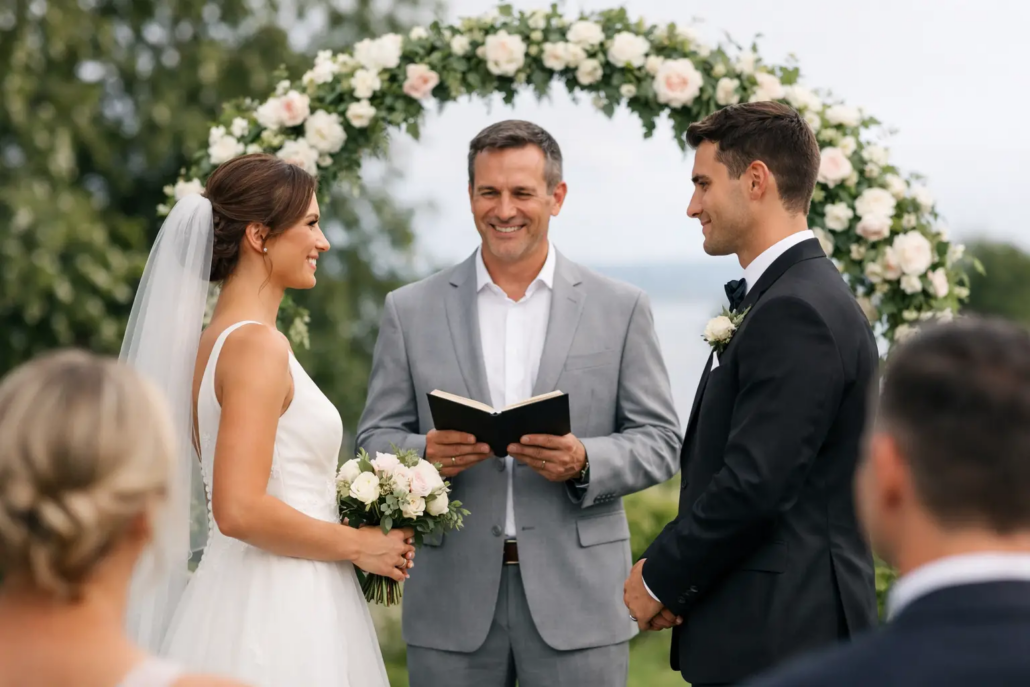
Some couples know exactly what they do not want: a 30-minute ceremony full of stiff wording, awkward pauses, and readings that sound borrowed from someone else’s wedding. If that sounds familiar, these short wedding ceremony script ideas are a good place to start. A shorter ceremony can still feel heartfelt, personal, and memorable. In many cases, it feels more like you.
The trick is not making the ceremony long enough to seem important. The trick is choosing the right words, right structure, and right tone so every minute matters. That is especially true for elopements, small weddings, second marriages, bilingual ceremonies, and celebrations where simplicity is part of the point.
Why short wedding ceremony script ideas work so well
A short ceremony is not a lesser ceremony. It is often a more focused one.
When couples trim away anything that feels performative or overly formal, what remains is usually the good stuff: a warm welcome, a few meaningful words about marriage, clear vows, the ring exchange, and the moment everyone came for. That simplicity can reduce nerves, keep guests engaged, and make the whole experience feel more intimate.
There are trade-offs, of course. If you have a large family, several cultural traditions, multiple readings, or relatives who expect a more traditional structure, an ultra-short ceremony may feel too brief. In that case, the answer is not to force a tiny script. It is to build a ceremony that is concise but not rushed. Short should feel intentional, not abrupt.
What to include in a short wedding ceremony script
Most short ceremonies work best when they follow a clean, easy rhythm. You do not need many parts, but each part should have a purpose.
A strong short ceremony usually includes a welcome, a brief reflection on marriage or the couple’s relationship, the declaration of intent, vows or a simple promise statement, the ring exchange, and the pronouncement. If you want a reading, family acknowledgment, or moment of gratitude, that can still fit. It just means the wording around everything else needs to stay tight.
For most couples, the sweet spot is around 5 to 10 minutes. That gives enough room for personality without turning the ceremony into a speech marathon.
9 short wedding ceremony script ideas
1. The classic and simple script
This is the cleanest option and works well for almost any setting.
The officiant welcomes everyone, says a few lines about love and commitment, asks each person if they take the other in marriage, leads a brief vow exchange, and closes with the pronouncement. It is timeless, polished, and easy for nervous couples to follow.
If you want a ceremony that feels elegant without being wordy, this format is usually a safe choice.
2. The intimate elopement script
For elopements and very small weddings, the tone can be softer and more conversational.
Instead of addressing a large group, the officiant speaks directly to the couple and acknowledges the intimacy of the moment. The wording can reflect why they chose a smaller celebration, whether that was privacy, simplicity, budget, or just wanting the focus on the relationship instead of the production.
This kind of script often feels especially meaningful outdoors, at home, or in destination-style settings around Western Washington.
3. The modern no-fuss script
Some couples want the emotion of a wedding ceremony without language that feels overly poetic or traditional. This script keeps things current and straightforward.
The officiant might talk briefly about partnership, friendship, and choosing each other every day. Vows can be written in plain English and still carry weight. Think less formal recital, more honest promise.
This format is ideal for couples who want the ceremony to feel relaxed, natural, and very much in their own voice.
4. The legal signing with heart
A signing ceremony can be short and still have soul.
This is a good fit for couples getting married on a tight timeline, planning a larger celebration later, or simply wanting a simple legal marriage with a meaningful moment built in. The ceremony may be only a few minutes long, but a thoughtful opening and brief exchange of promises can keep it from feeling transactional.
Short does not have to mean cold. Even the quickest ceremony can carry real emotional weight when the words are chosen with care.
5. The vow-forward short script
If personal vows matter most to you, keep the rest of the ceremony minimal.
This format uses a very brief welcome and transition so the focus stays on what you want to say to each other. It works beautifully when the couple has taken time to write vows that are sincere, specific, and not six pages long. That last part matters.
A vow-forward script gives you emotional depth without requiring a long ceremony overall.
6. The family-centered short script
For couples with children, blended families, or close-knit family dynamics, a short ceremony can include a quick acknowledgment of the people surrounding the marriage.
That might be a line thanking parents, recognizing children by name, or briefly honoring loved ones who are not present. The key is to keep it warm and simple. You do not need a long tribute for it to feel genuine.
This script works especially well when family involvement is important, but you still want to keep the ceremony moving.
7. The bilingual short script
A bilingual ceremony does not need to be twice as long.
One of the best ways to keep it concise is to choose key sections for both languages rather than translating every single sentence. For example, the welcome, vows, and pronouncement can be shared in English and Spanish, while the reflection remains shorter. Another option is alternating languages by section so both sides of the family feel included.
This format takes planning, but when done well, it feels thoughtful and welcoming rather than repetitive.
8. The spiritual but not religious script
Many couples want language that feels meaningful and grounded without belonging to a specific religious tradition. A short ceremony can absolutely do that.
The officiant might speak about love, gratitude, intention, or the sacredness of commitment without using formal doctrine. This allows space for reverence while still feeling inclusive and comfortable for guests with different backgrounds.
It is a good middle ground for couples balancing family expectations with their own beliefs.
9. The guest-inclusive short script
If you want your guests to feel part of the ceremony, there are ways to do that without adding 15 extra minutes.
A simple group affirmation, a shared blessing, or one short reading can make the ceremony feel communal. The key is not piling on too many interactive pieces. One meaningful moment is usually enough.
This format is especially nice for couples who want warmth and connection without a fully traditional ceremony.
How to make a short ceremony feel personal
The easiest mistake is assuming personalization means adding more content. Usually, it means choosing better content.
A single paragraph about how you met, a vow that sounds like something you would actually say, or a ring exchange that reflects your relationship will do more than three generic readings. Specific beats broad every time.
It also helps to think about tone before wording. Do you want your ceremony to feel romantic, lighthearted, grounded, spiritual, joyful, or quietly emotional? Once that is clear, the script gets easier to shape. Couples often get stuck because they are editing words before deciding how they want the ceremony to feel.
A few sample lines you can borrow
If you are looking for wording that feels simple and sincere, here are a few examples that work well in shorter scripts.
For an opening, an officiant might say: “We are here today to celebrate the marriage of two people who have chosen each other with love, intention, and joy.”
For the declaration of intent: “Do you take this person to be your lawfully wedded spouse, to love and support them through all that life brings?”
For simple vows: “I choose you as my partner, my teammate, and my home. I promise to love you honestly, support you fully, and keep choosing you, every day.”
For rings: “May these rings be a daily reminder of the promises you make today and the life you will build together.”
These lines are short for a reason. They leave room for emotion without sounding rehearsed to death.
When short is not the right fit
Sometimes couples start by asking for a short ceremony, but what they really want is a ceremony that feels easy. Those are not always the same thing.
If you have multiple family traditions to honor, a religious element you care about, a bilingual structure, or guests traveling in from far away who expect a fuller ceremony, going too short can create stress instead of relieving it. A better solution may be a thoughtfully paced 12- to 15-minute ceremony that still feels concise.
That is where good guidance matters. The right script is not the shortest possible one. It is the one that fits your relationship, your guests, and the kind of moment you want to remember.
At Forever, Together, that is often the real goal – helping couples create something personal enough to matter and simple enough to enjoy.
Your ceremony does not need extra fluff to feel unforgettable. It just needs the right words, in the right order, spoken in a way that feels like home.