
Choosing a Small Wedding Ceremony Officiant
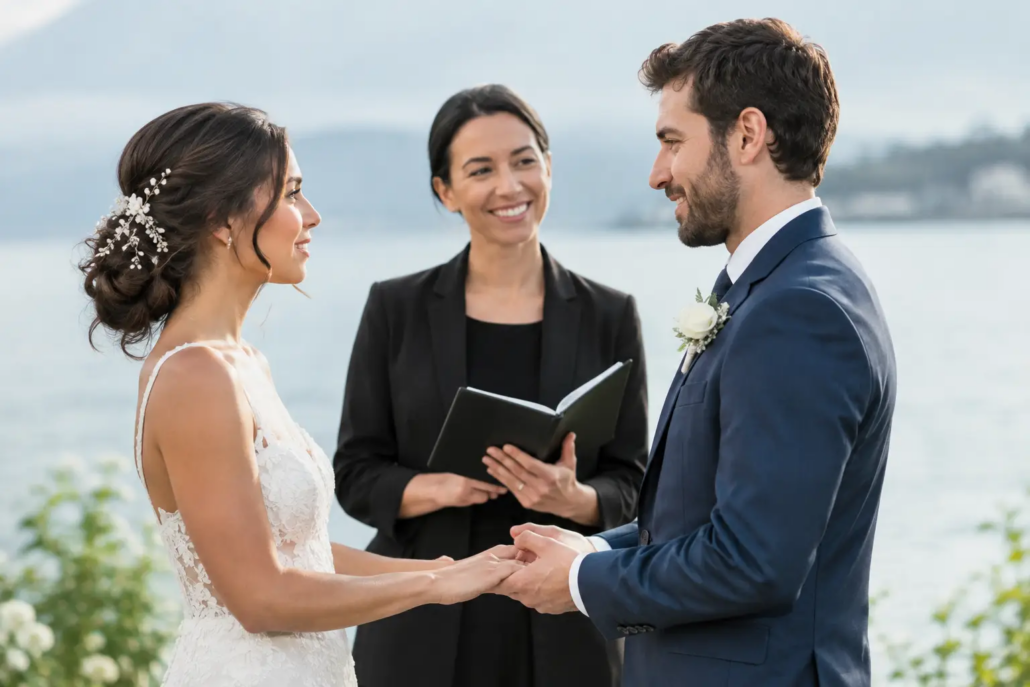
A small guest list does not mean your ceremony should feel small. When you are standing beside the person you love at a Seattle park, a favorite restaurant, a backyard, or a quiet waterfront spot, every word carries a little more weight. The right small wedding ceremony officiant helps that moment feel relaxed, personal, and unmistakably yours, without turning it into another complicated item on your planning list.
For some couples, “small” means just the two of you and the required witnesses. For others, it means 10 people, 25 people, or a close circle of family who have known you forever and may have strong opinions about what a wedding should look like. A thoughtful officiant can create a ceremony that honors the meaning of the day while keeping the experience simple, warm, and manageable.
What a Small Wedding Ceremony Officiant Actually Does
An officiant does more than arrive with a script, ask for rings, and pronounce you married. For an intimate wedding, that difference matters even more. With fewer guests and less visual production around you, the ceremony itself becomes the center of the celebration.
A good officiant gets to know your story, your comfort level, and the tone you want to create. Maybe you want a short, heartfelt ceremony with personal vows. Maybe you want a secular ceremony that still feels deeply meaningful. Maybe one partner’s family would appreciate a blessing or cultural tradition, while the other wants to avoid a formal religious service. These are not problems to solve alone. They are the details that make a ceremony feel honest.
Your officiant should also guide the practical side. That can include helping you understand the flow of the ceremony, deciding who will hold the rings, determining whether guests should participate, and making sure your marriage license is completed and returned according to local requirements. The goal is not to give you more decisions. It is to make the decisions feel clear and doable.
Why Intimate Ceremonies Need Personalization
A large wedding can carry a ceremony with music, décor, a full wedding party, and a busy room. A small ceremony has a different kind of magic. There is more space for laughter, emotion, a shared glance, and the words you choose to say to one another.
That is why a generic script can feel especially out of place at a small wedding. If you invited only the people closest to you, or chose to elope because you wanted a private experience, your ceremony deserves language that reflects that choice. It does not need to be long to be personal.
A personalized ceremony might include a brief version of how you met, the qualities you value in each other, a nod to children or family members, or a reading that feels like the two of you. It can be lighthearted without being shallow. It can be emotional without making either of you feel put on the spot.
The sweet spot is different for every couple. Some want a polished five-minute legal ceremony before dinner. Others want 20 minutes with custom vows, a unity ritual, and a moment to recognize the guests who traveled to be there. Neither approach is more meaningful. What matters is that the ceremony matches your relationship and your comfort level.
How to Choose the Right Officiant for a Small Wedding
When your wedding is intimate, chemistry matters. Your officiant will be one of the few people standing close to you during one of the biggest moments of your life. Look for someone who feels calm, engaged, and easy to talk with from the first conversation.
Experience is useful, but flexibility is equally valuable. Seattle and Western Washington weddings can involve changing weather, ferry schedules, trail access, family travel, and last-minute adjustments. An officiant who understands that reality can help you stay focused on the reason you are gathering in the first place.
Ask how much customization is included. Some officiants offer a fixed script with a few names inserted. Others build ceremonies collaboratively, offering examples and guidance while giving you room to choose the elements that feel right. If personalization matters to you, be clear about that early.
It is also wise to ask about availability and logistics. If you are planning a short-notice ceremony, a weekday elopement, or a celebration outside central Seattle, confirm travel expectations, timing, rehearsal needs, and what happens if conditions change. A clear plan is romantic. It means you can stop worrying and enjoy the day.
Four questions worth asking
- How do you personalize a ceremony for a couple with a small guest count?
- Can you create a secular, religious, bilingual, or blended ceremony if we need one?
- What support do you provide for writing vows and planning the ceremony flow?
- How do you handle the marriage license after the ceremony?
The answers will tell you a great deal. You are listening not just for a list of services, but for whether the officiant understands what you are trying to create.
Make Space for Family Without Losing Yourselves
Small weddings can bring family dynamics into sharper focus. With only a handful of people present, every invitation and every ceremony choice may feel more visible. You may be balancing divorced parents, different faith backgrounds, adult children, grandparents, or relatives who expected a more traditional event.
A skilled officiant can help you include people in ways that feel genuine rather than obligatory. A parent might offer a reading. Children can participate in a family blessing or ring warming. A bilingual welcome can help everyone feel included. You can acknowledge loved ones who could not attend without shifting the focus away from your marriage.
At the same time, you are allowed to keep boundaries. You do not have to add a ritual because someone says it is required. You do not have to make a ceremony religious if that does not reflect your beliefs. And you do not have to share personal stories that make you uncomfortable. A ceremony should create connection, not pressure.
Short Can Still Feel Complete
Many couples worry that a brief ceremony will feel rushed or impersonal. Usually, that concern comes from confusing length with substance. A ceremony can be seven minutes and still contain everything essential: a warm welcome, a few personal words, your vows, the exchange of rings, the legal declaration, and a joyful pronouncement.
The key is intentional pacing. Leave enough time to breathe when you arrive. Let the officiant explain what will happen so you do not have to remember every step. Pause after your vows. Kiss when you are ready, not because someone is rushing you toward the next photo.
If you want an even simpler option, a legal signing ceremony may be the right fit. This can be ideal for couples who plan a larger celebration later, are getting married before a move or deployment, or simply want the legal portion handled with care. It may be brief, but it should never feel cold or transactional.
A Local Ceremony Should Fit Your Real Life
The Pacific Northwest offers beautiful possibilities for intimate weddings, from city rooftops and neighborhood gardens to mountain overlooks and coastal settings. It also brings practical considerations. A location may require permits. A beach may be windy. A forest ceremony may involve a walk over uneven ground. A winter weekday can get dark earlier than expected.
Choose an officiant who is comfortable adapting to the actual conditions of your day. You want someone who can speak clearly over wind, adjust a ceremony layout for a tight space, and remain steady if a toddler wanders into the aisle or rain begins five minutes early. Those small moments often become the stories you remember fondly.
At Forever, Together, personalized ceremonies are designed to make the ceremony process one of the most fun and least stressful parts of planning. Whether you are gathering two witnesses or your closest 30 people, you deserve guidance that is practical, inclusive, and centered on you.
Your small wedding does not need to perform for a crowd. It only needs to give the two of you a moment that feels true. Choose an officiant who listens closely, handles the details with confidence, and gives you room to be fully present when it matters most.