Wedding Ceremonies That Truly Feel Like You
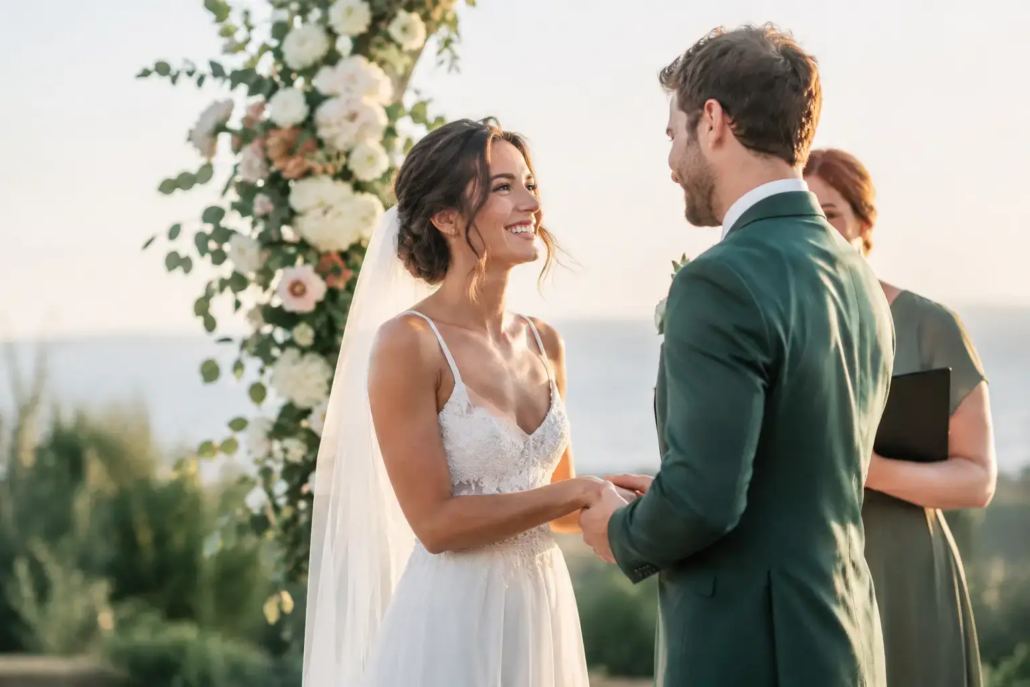
A beautiful venue, great food, and a full dance floor are wonderful. But wedding ceremonies are the moment everyone will remember most clearly: the pause in the day when you look at each other, make your promises, and let the people who love you witness what comes next. It deserves more than a generic script with your names dropped in.
The good news is that a meaningful ceremony does not have to be long, formal, religious, or complicated. It simply has to sound like the two of you. Whether you are planning a waterfront celebration in Seattle, a backyard gathering in Snohomish County, a courthouse-style signing, or an elopement beneath Western Washington evergreens, your ceremony can hold the right amount of joy, tenderness, humor, and tradition.
What Makes Wedding Ceremonies Feel Personal?
Personal does not mean sharing every detail of your relationship in front of 150 guests. For some couples, it means telling the story of how they met and the qualities that make their partnership work. For others, it means keeping the spotlight on simple vows, including a favorite reading, or making room for a cultural tradition that matters deeply to family.
The most successful ceremonies reflect your priorities rather than someone else’s idea of what a wedding should be. If you are both private, a concise ceremony can feel more genuine than a long narrative. If your relationship is full of laughter, there is room for warmth and a well-placed lighthearted moment. If faith is part of your lives, prayers or sacred readings can be included in a way that feels sincere. If you are secular, your ceremony can still be deeply reverent about commitment, love, and community.
A good officiant listens for the details that give a ceremony its voice. Maybe you bonded over hiking, built a blended family with care, survived a cross-country move, or value the quiet ways you show up for one another. Those details do not need to become a stand-up routine or a biography. They can become the emotional thread that makes guests think, yes, this is exactly them.
Start With the Feeling You Want to Create
Before choosing readings, rituals, or even ceremony length, talk about how you want the moment to feel. Calm and intimate? Joyful and energetic? Elegant and traditional? Warm, casual, and family-centered? There is no wrong answer, but it helps to have a shared direction.
Think, too, about your guests. A ceremony can honor family without asking you to perform a version of yourselves that feels uncomfortable. Couples sometimes worry that choosing a secular ceremony will disappoint religious relatives, or that including a faith tradition will make other guests feel excluded. Often, the answer is not all or nothing. A thoughtful ceremony can acknowledge a family blessing, prayer, or tradition while remaining welcoming to everyone present.
This is especially true for bilingual and multicultural celebrations. Spanish readings, dual-language vows, a shared family blessing, or a brief explanation of a cultural ritual can help guests feel included rather than confused. The key is thoughtful pacing. Translation does add time, so decide which portions are most meaningful to present in both languages. You do not need to translate every sentence for the ceremony to feel fully welcoming.
Choose a Ceremony Length That Fits Your Day
Longer is not automatically more meaningful. A short legal ceremony can be lovely when it is intentional, while a 20- to 30-minute ceremony can create space for stories, readings, vows, and rituals without asking guests to settle in for a lecture.
For many couples, 12 to 18 minutes is a comfortable sweet spot. It gives the ceremony room to breathe while keeping the energy focused. A very small elopement may feel perfect at five to 10 minutes. A ceremony involving multiple readers, two languages, children, or cultural traditions may need more time.
Your timeline matters here. If you are holding a winter wedding and daylight is limited, a concise outdoor ceremony may be the practical choice. If guests are traveling a long way and you want them to feel part of the story, a fuller ceremony may be worth it. There is no prize for hitting a certain length. The right length is the one that leaves you feeling present, not rushed or overexposed.
The essential pieces
Most ceremonies include a welcome, a few words about marriage or your relationship, your declaration of intent, vows, ring exchange, pronouncement, and a kiss. From there, you can add or remove elements based on what matters to you.
Personal vows are optional, not mandatory. Some people write beautiful promises; others freeze at the thought of speaking in public. You can write your own vows, repeat vows after your officiant, exchange a few private words before the ceremony, or choose a combination. A strong ceremony does not depend on whether you can write poetry under deadline pressure.
Include Traditions Because They Matter to You
A unity candle, handfasting, wine ceremony, ring warming, family blessing, tree planting, or memorial acknowledgment can bring texture and meaning to a ceremony. But every addition should earn its place. If a ritual is included only because you saw it online, it can feel disconnected from the rest of the day.
Ask yourselves what the tradition represents. A handfasting may symbolize the joining of two lives. A ring warming lets loved ones silently offer good wishes as the rings pass through the gathering. A remembrance can honor someone who is missed without shifting the entire emotional center of the celebration. Once you understand the purpose, you can decide whether it belongs in your ceremony and how to explain it to guests.
Family participation can be meaningful, too. A child may bring forward the rings, a parent may offer a reading, or close friends may share a blessing. Keep roles simple and realistic, especially with young children or anyone nervous about public speaking. A loving plan with a backup plan is always smart.
Give Yourselves Permission to Skip What Does Not Fit
You may not want a religious message, a unity ritual, public personal vows, or a long processional. You may not want to be introduced as husband and wife. You may prefer spouses, partners, newlyweds, or simply your names. These choices are not small details. They shape whether the ceremony feels authentic when you are standing there.
The same goes for wedding party participation. Some couples love a full processional with attendants, music changes, and formal entrances. Others want to walk in together, enter with their parents, or begin with everyone already gathered. Each choice can be beautiful. Pick the format that supports the feeling you want, not the one that creates the most elaborate photo.
Plan the Legal Details Without Letting Them Take Over
In Washington, the marriage license is separate from the ceremony itself. You will need to obtain your license, observe the required waiting period, and make sure it is completed and returned according to the issuing county’s instructions. Your officiant can sign the license after the ceremony, but it is wise to confirm the details early, especially for a short-notice wedding or an elopement.
Bring the license, confirm who will serve as witnesses if needed, and designate one reliable person to keep track of the paperwork. Then set it aside. Once the ceremony begins, the legal document should be the least interesting thing in the room.
Let Your Officiant Make the Process Easier
A personalized ceremony should not create another giant project on your wedding checklist. The right officiant guides you through choices, asks useful questions, helps you sort through competing ideas, and writes with your voice in mind. They should also be comfortable adapting when weather changes, a reader gets emotional, a child wanders off course, or the timing needs a quick adjustment. Weddings are joyful, human events. A little flexibility goes a long way.
At Forever, Together, the goal is to make ceremony planning one of the most fun and least stressful parts of your wedding. That means creating room for traditional, contemporary, religious, secular, bilingual, and wonderfully hard-to-categorize celebrations alike.
When you picture the moment you say your vows, pay attention to what makes you exhale. That is usually the direction worth following: a ceremony with enough structure to hold the moment, enough flexibility to feel natural, and enough of your own story to make it unmistakably yours.