
Wedding Ritual Trends That Feel Like You
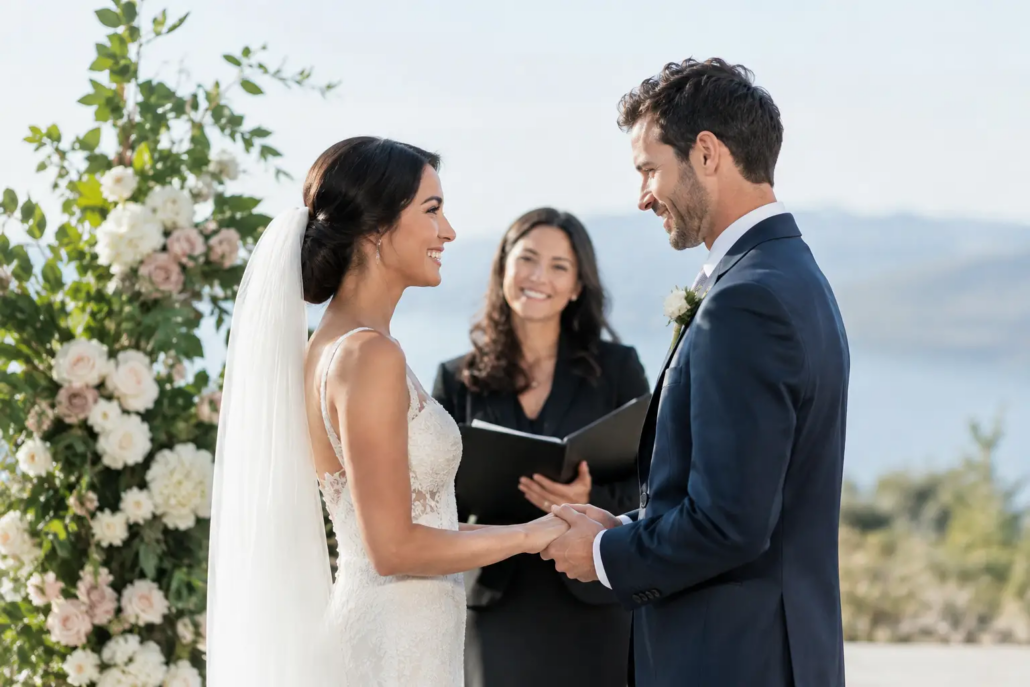
A ceremony does not become meaningful because it includes every tradition your guests recognize. It becomes meaningful when the moments in it sound, look, and feel like the two people getting married. That is why wedding ritual trends are shifting away from checking boxes and toward intentional choices: a warm welcome, words that honor family without surrendering the day, and rituals that give everyone a genuine reason to be present.
For couples planning a Seattle or Western Washington wedding, this is especially freeing. Your celebration might be a mountaintop elopement, a backyard gathering, a downtown venue wedding, or a short legal signing before a larger party later. There is no single ceremony format that fits all of those experiences. The best rituals are the ones that reflect your relationship, values, cultural background, and comfort level.
Wedding Ritual Trends With Staying Power
The strongest trends are not really about novelty. They give couples more room to be honest, inclusive, and present. They also help guests understand that they are witnessing a marriage, not just waiting for the reception to begin.
A more personal opening
Formal processional language is still welcome when it suits the couple, but many ceremonies now begin with a direct, personal welcome. An officiant may acknowledge the journey that brought the couple together, thank the people who have supported them, and set the tone before anyone reaches for a tissue.
This does not require sharing every detail of your relationship. A few specific observations can carry more weight than a long biography. Perhaps you bonded over Sunday mornings, built a life around a blended family, or learned how to handle long-distance years with humor and patience. The opening should make guests think, “Yes, that is them.”
Meaningful participation from loved ones
Couples are inviting loved ones into the ceremony in ways that go beyond assigning a reading because someone needs a job. A sibling may offer a blessing, a close friend may share a brief reflection, or children may help present rings or join a family vow.
The key is to give people roles they can comfortably fulfill. Not everyone loves a microphone, and a nervous reader should not have to carry a two-page poem in front of 150 guests. Participation can be quiet and still powerful: walking down the aisle together, standing nearby during vows, holding a keepsake, or signing as a witness.
For blended families, rituals involving children deserve extra care. A family vow can be beautiful when it is age-appropriate and freely offered. It should never place a child in the position of promising feelings they have not had time to develop. Warm, simple language about support, kindness, and growing together often lands better than grand declarations.
Private vows and public promises
One of the most practical ceremony trends is separating deeply personal vows from the promises shared in front of guests. Some couples exchange private letters or vows before the ceremony, then speak shorter vows during it. Others keep their personal words private and use repeat-after-me vows at the altar.
This is not less romantic. It is often more comfortable, especially for people who become emotional in front of a crowd or who want to protect intimate parts of their story. You can still create a moving public moment with vows that express the commitments you are making: to listen, to choose each other, to make room for laughter, and to keep showing up.
If you do want to write your own public vows, aim for about one to two minutes each. A little preparation helps prevent the familiar wedding-day moment when one partner arrives with a heartfelt page and the other has three sentences in a phone note. Both can be sincere, but agreeing on a length and tone beforehand reduces unnecessary stress.
Unity rituals with a real connection
Handfasting, ring warming, wine blending, tea ceremonies, candle lighting, tree planting, and sand ceremonies remain popular because they create a visible pause in the ceremony. But a unity ritual works best when it means something beyond a pretty photo.
A handfasting can honor Celtic heritage or symbolize the joining of two lives. A ring warming lets guests silently hold or bless the rings before they are exchanged. Sharing tea may reflect a family tradition, while blending wine can represent two distinct histories becoming a shared future. Couples who love the outdoors may choose a tree planting ritual, although it is worth considering whether the location, weather, and timing make that practical.
There is no prize for adding a ritual simply because you saw it online. One well-explained tradition is usually more memorable than three rushed ones. Ask yourselves what you want guests to understand in that moment, then decide whether a ritual helps tell that story.
Bilingual and multicultural ceremonies
More couples are creating ceremonies that honor more than one language, faith background, or cultural tradition. This can be as simple as welcoming guests in English and Spanish, or as layered as incorporating readings, family customs, music, and vows from multiple backgrounds.
The goal is not to divide the ceremony into separate sections for separate groups. It is to make everyone feel included in the same celebration. A bilingual officiant can help shape translations so they sound natural rather than mechanical, while also making sure guests can follow the emotional heart of each ritual.
Not every tradition needs a lengthy explanation, but guests benefit from a sentence or two of context. When people understand why a couple is honoring a particular custom, they are more likely to feel connected to it. This is especially helpful when families are meeting across cultures for the first time.
Guest connection without forced participation
A growing number of ceremonies invite guests to take an active role, but the most successful versions avoid putting anyone on the spot. A community vow, for example, can ask guests to offer their support with a simple “We will.” A moment of collective intention can invite everyone to hold good wishes for the couple in silence.
These gestures work particularly well at intimate weddings, where the guests have truly been chosen to be part of the couple’s life. At a larger event, keep the request brief and clear. Your loved ones are happy to participate, but no one needs a surprise call-and-response exercise that goes on longer than the vows.
A ceremony designed for comfort and access
Not every meaningful trend is visible in the photos. Couples are paying more attention to guest comfort, accessibility, and sensory needs, and that care changes the entire experience. Providing seats for those who need them, using a microphone even for a small group, choosing a ceremony length that works for children and older relatives, and offering a clear plan for outdoor weather all communicate thoughtfulness.
An unplugged ceremony is another choice worth considering. Asking guests to put phones away can create a more focused atmosphere and keep professional photos free of raised screens. Still, it depends on your group. If a beloved grandparent cannot attend and a family member needs to stream the ceremony, you can make space for that without opening the floor to everyone filming from the aisle.
How to Choose Rituals Without Overloading the Ceremony
Start with the feeling you want to create. Do you want the ceremony to feel joyful and relaxed, deeply traditional, spiritual, intimate, playful, or a blend of those things? Then consider who is in the room and what you want them to experience. This gives you a much better filter than asking which rituals are currently popular.
Next, identify the traditions that matter most to each of you. Sometimes both partners want the same thing. Sometimes one person cares deeply about being walked down the aisle while the other wants to enter together. Sometimes a family expects a religious element, while the couple prefers a secular ceremony. These are not problems to solve by defaulting to the loudest opinion. They are conversations where thoughtful wording and a flexible format can honor people without losing the couple at the center.
Finally, protect the pace. Most ceremonies feel best when they have a clear flow: welcome, story or reflection, readings or rituals, vows, rings, pronouncement, and celebration. A personalized ceremony can be concise. In fact, keeping only the moments that matter often makes each one feel more powerful.
A skilled officiant can help you sort through options, explain what is legally required in Washington, and create language that feels natural in your voice. At Forever, Together, that guidance is designed to make the ceremony planning process one of the most fun and least stressful parts of getting married.
Your wedding does not need to prove anything. Choose the ritual that makes you pause, look at each other, and remember why these particular people gathered to celebrate this particular promise.